In recent years, China and the United States have unanimously set their strategic sights on the distant moon. Behind this global competition for space lies the core interests of mankind for decades to come. Many people think that the competition between China and the United States still remains on the ground, but in fact, whoever controls space will have the initiative to compete for hegemony in the future.
The core of this competition has extended from low-Earth orbit to the moon 380,000 kilometers away. The race to return to the moon has begun. This is a new era of space exploration and a big step forward for all mankind.
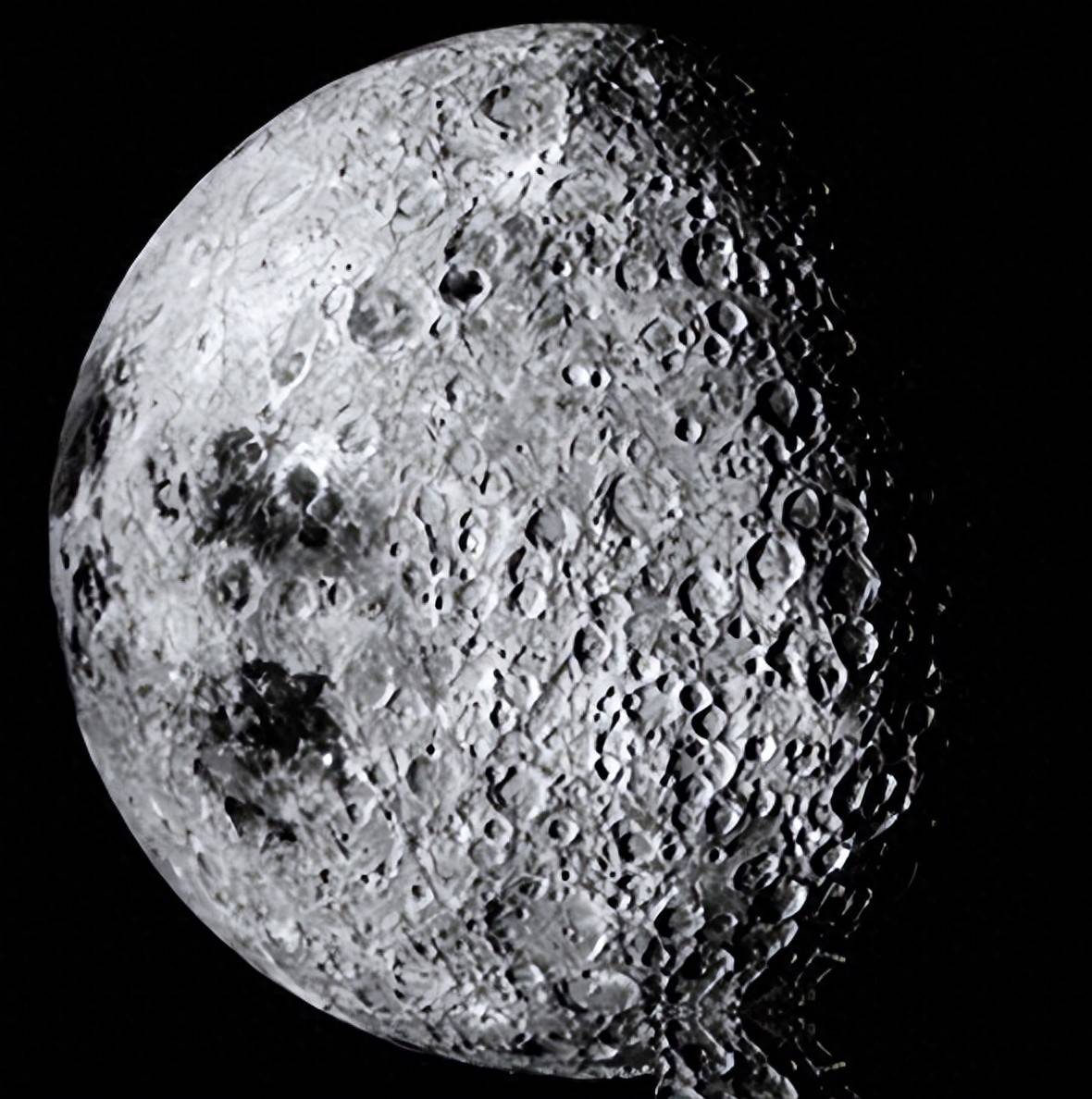
As China and the United States both compete for first place, the United States has returned to the moon and China’s lunar probe has returned to Earth. Both countries have recently sent landers to the lunar surface and have stated that they will send astronauts to the moon by 2030.
It’s a new space race, but no one has been to the moon in decades. So why the sudden interest in returning to the moon?
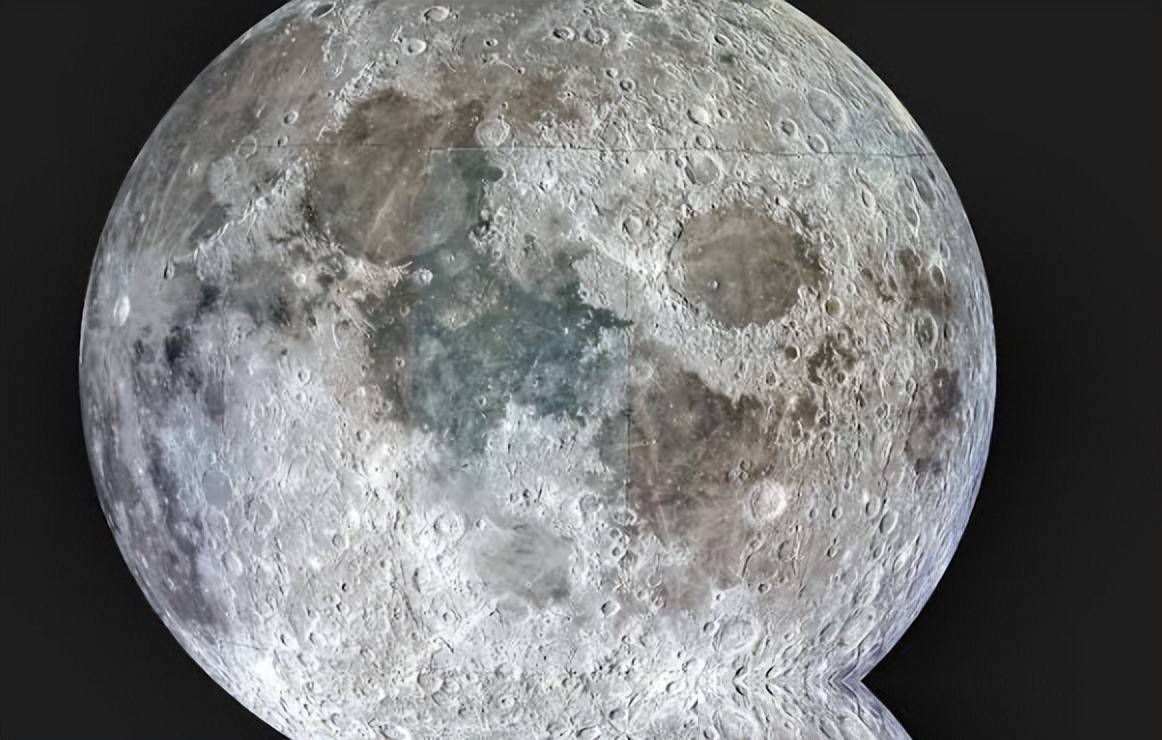
Finding water on the moon is very important. And what will the winner get? The real goal is: Can we stay, live and work on the moon for a long time?
In 1969, Neil Armstrong left a historic footprint on the moon, marking a key step in the space race with the Soviet Union. The 1969 moon landing was the culmination of a decade-long program initiated by President Kennedy.

Neil Armstrong and Buzz Aldrin landed on and walked on the moon, but the Soviets never got there. Since then, only 12 people have set foot on the moon.
They are all white American males and last visited in 1972. But that’s about to change. By 2030, more than 100 lunar exploration missions have been planned.
When the United States first put a man on the moon, it was pretty much the only country that could do it, other than the Soviet Union, which was also trying. Now that many countries around the world are catching up technologically, they are also trying to see if they can become part of an elite club that can send humans and even robots to the moon.
As the cost of space flight falls, some countries are becoming more ambitious. Landers so far include Israel, Russia, the United Arab Emirates, India and Japan, as well as the United States and China, but Israel, Japan and the United Arab Emirates have not yet succeeded.
The European Space Agency also plans to launch a lunar lander soon. But it is China and the United States that are leading the race to the moon.
Just as a space race began between the United States and the Soviet Union in the 1960s as part of the Cold War, a new race appears to be emerging today. Lawmakers have concerns about U.S. dominance in this space age.
The United States planned to send four astronauts, including the first woman and first person of color, into lunar orbit as part of the Artemis program.
The mission was successfully launched on April 1, 2026. This will pave the way for the next Artemis mission to put humans on the moon in the next few years.
Armstrong was only on the moon for a few hours, while the Artemis 3 astronauts will stay there longer, spending at least six days on the lunar surface. The other side also hopes to put a man on the moon before 2030, and has achieved a series of impressive “firsts”.
It is the first and so far the only country to land on the far side of the moon, and the first country to bring samples from the far side of the moon back to Earth. Getting to the far side of the moon is particularly difficult.
It always faces away from the Earth, so communicating with anything on the far side of the moon is very, very difficult. No matter who reaches the moon first, the destination will be the lunar south pole.
And choosing this location is important because it tells you that some of the recent focus around the moon is water. Engineers like to point out that water can be mined from the moon and broken down into its component parts hydrogen and oxygen, which are the main ingredients of rocket propellant.
So potentially, water found on the moon could be used, broken down, and then resynthesized into rocket propellant that could be used to fuel rockets that take off from the moon and go to destinations farther than the moon.
The presence of water on the moon was confirmed in 2008, and is thought to be most abundant in dark craters in the Antarctic, some of which have never seen sunlight.
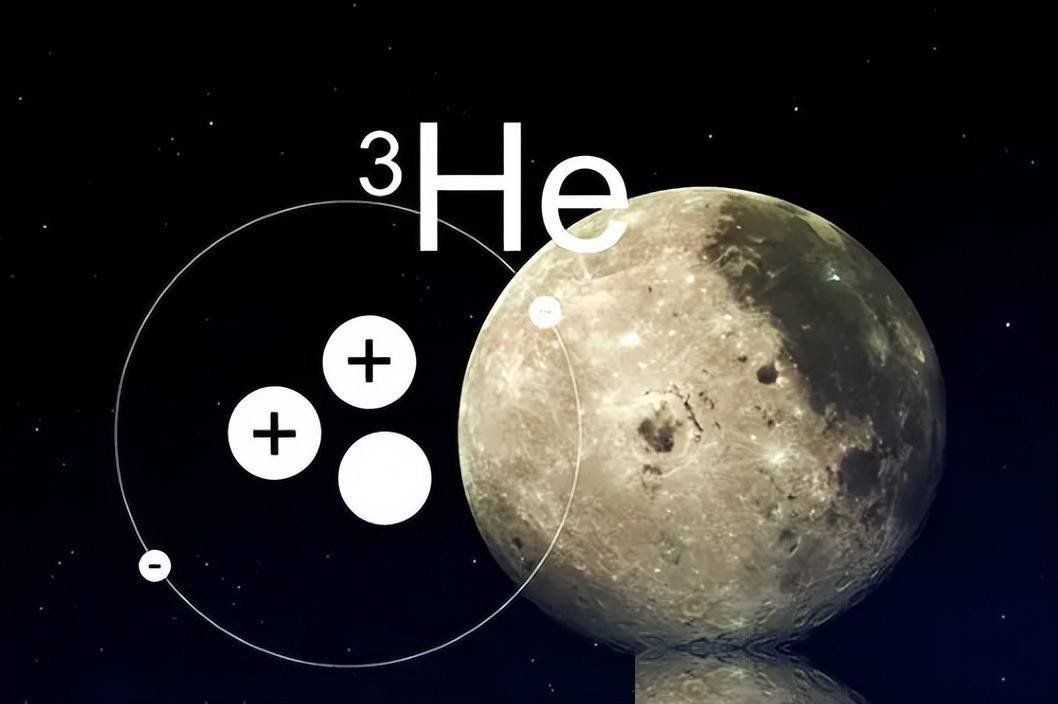
This water could help support a longer-lasting lunar base. There are other valuable resources on the moon that may be useful in the distant future, including rare earth metals such as lithium, and the helium-3 isotope, which can be used in nuclear fusion to generate electricity.
Theoretically, one ton of helium-3 can meet the world’s energy needs for one year, and the helium-3 reserves on the moon may exceed 1 million tons. Once developed, this energy dividend is enough to completely change the global energy landscape.
A more pressing question is how any resources on the moon, including water, will be distributed once humans return to the moon. Technically, no country can lay claim to the moon.
This was stipulated in the 1967 Outer Space Treaty, which declared the moon to be for the greater good of all mankind. The treaty meant that the moon and sister planets could only be used for peaceful purposes.
But the situation becomes more complicated when one starts looking at who can claim rights to lunar resources. A major concern among legal experts right now is that there is a mismatch between where things are going, where technology is going and where the law is going.
When these treaties were drafted in the 1960s and 1970s, no one thought there would be companies operating in space. One international agreement that has begun to address how companies should operate in space is the Artemis Accords.
Drafted in 2020, the agreement was developed by the United States and signed by more than 40 international partners, setting out the rules for working in space. So what happens next?
Investment in the race to the moon is accelerating. But what’s different this time is that NASA is now working with private companies.
The way NASA is trying to return to the moon now is very different from the Apollo era. NASA has selected several private companies, including SpaceX, Blue Origin, and many others, to build the hardware they need to land on the moon.
NASA’s spending on the Artemis program as a share of GDP is much lower than it was on the Apollo missions, in part because it relies on private partners to do the heavy lifting. Thanks to this model, a host of smaller companies are now designing and building rovers and robots for lunar missions.
Among them, the “Odysseus” lander of the Houston company “Intuition Machines” landed near the south pole of the moon on February 22, 2024, marking the first time a private company has accomplished this feat. So the beneficiaries of this race, at least in the United States, are likely to be not just the state but also private companies and some very wealthy individuals.
Related Reading
- OpenAI fires workers for mishandling ‘sensitive information’2026-10-02
- The dusk of Moore’s Law, whose dawn?2026-10-02
- Captain Smit Machchhar: The ‘jovial’ pilot and father who thwarted the Flydubai attacker2026-10-01
- Flydubai passenger describes putting attacker in chokehold after cockpit stabbing2026-10-01
- Exclusive interview with Apple executives: What are Apple waiting for with its foldable screen?2026-10-01