34 years ago today, on September 21, 1992, China’s manned space project was officially launched, code-named “921”. At that time, China did not have its own spacecraft, its astronaut corps had not yet been established, and the space station was more like a distant dream. But a group of people drew a “three-step” blueprint on a piece of white paper.
In the past 34 years-how have the Chinese turned the dream of flying into reality step by step?
- After the project was established in 1992, China’s manned spaceflight began a long climb.
- In 1999, Shenzhou-1 was launched, the first flight test.
- Shenzhou-2 in 2001, Shenzhou-3 and Shenzhou-4 in 2002, unmanned flights have proven the technology bit by bit.
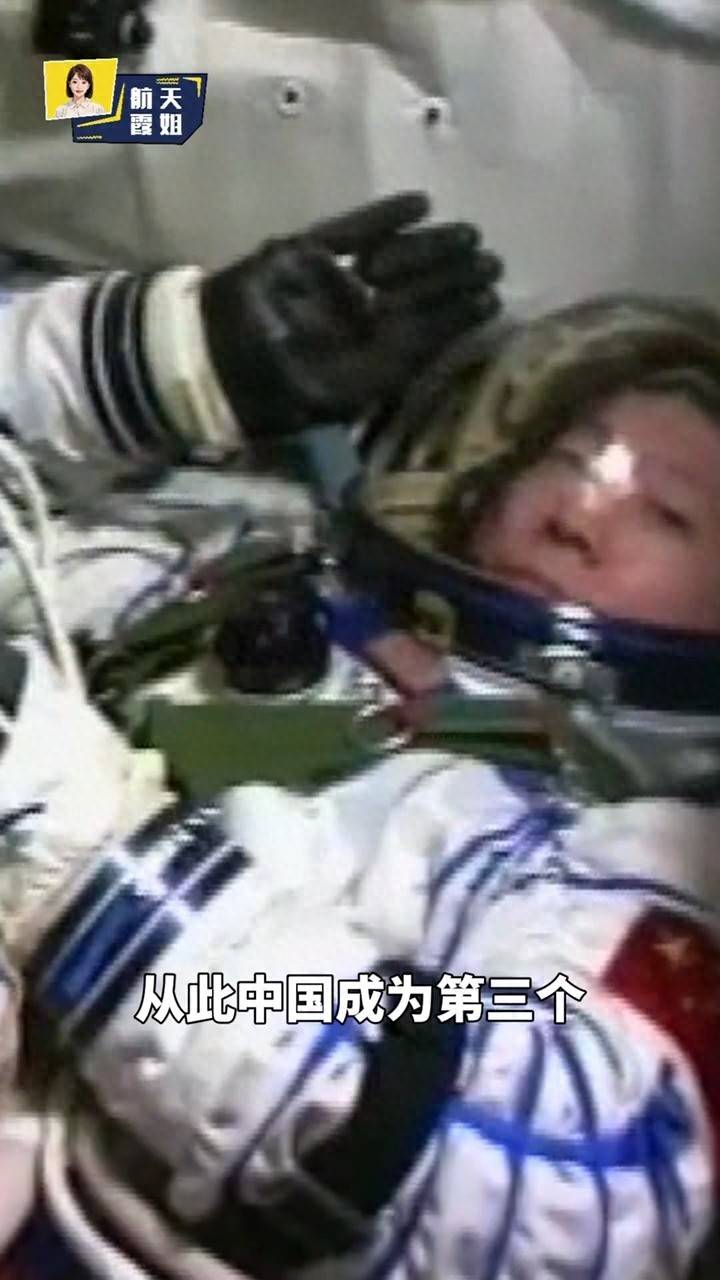
- On October 15, 2003, Shenzhou 5 and Yang Liwei went into space, making China the third country to independently send people into space. For that flight, Yang Liwei went through unimaginable training. Overweight endurance training requires him to withstand 8 times the acceleration of gravity, which is equivalent to eight of himself pressing down on him; weightlessness training requires repeated experiences during tens of seconds of parabolic flight; there are also countless simulations, assessments, and psychological tempering. He represents the persistence of China’s first batch of astronauts for many years.
- In 2005, Shenzhou-6, Fei Junlong and Nie Haisheng, flew with multiple people and multiple days.
- In 2008, when Zhai Zhigang stepped out of the Shenzhou 7 spacecraft, the Chinese left footprints in space for the first time.
- In 2011, Tiangong-1 and Shenzhou-8 successfully achieved China’s first space rendezvous and docking.
- In 2012, Liu Wang completed the manual rendezvous and docking of Shenzhou-9.
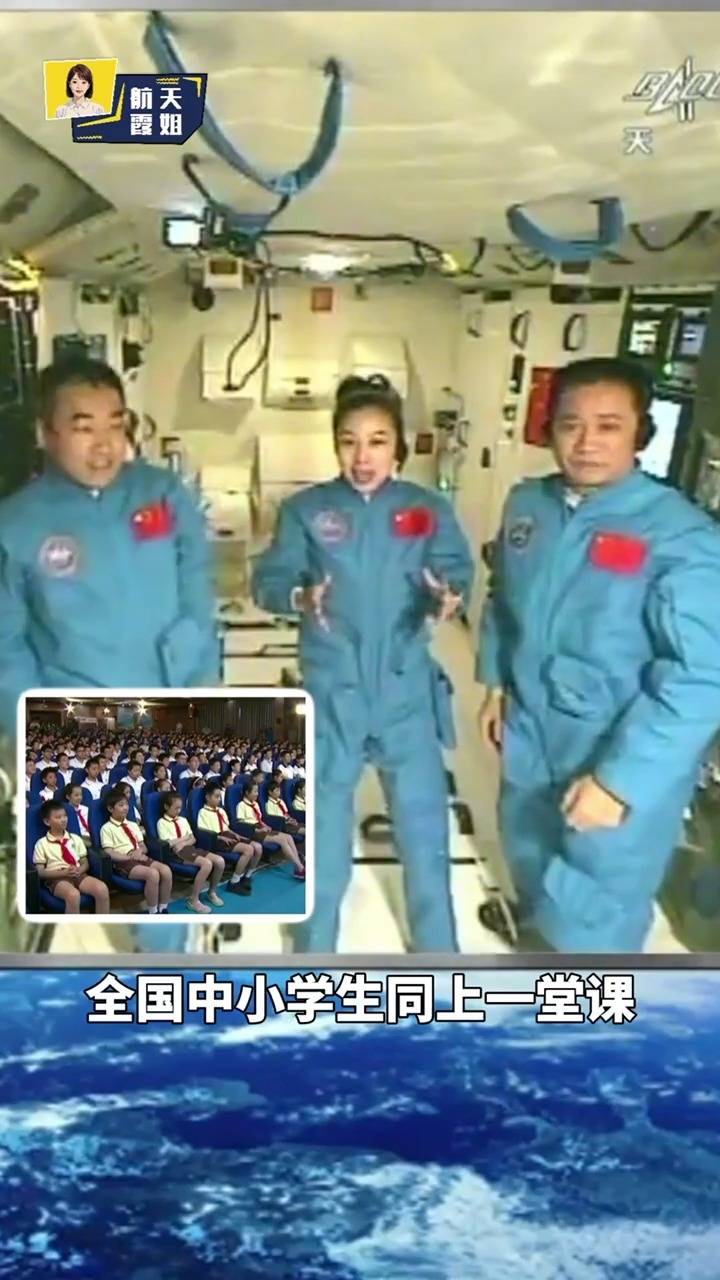
- In 2013, on Shenzhou 10, Wang Yaping gave a lecture in space, and primary and secondary students across the country took the same class.
- In 2016, Jing Haipeng and Chen Dong stayed on Shenzhou 11 for 33 days.
Over the past decade or so, China’s manned spaceflight has moved step by step, from short-duration flights to medium- and long-term stays, and from independent flights to space rendezvous and docking.
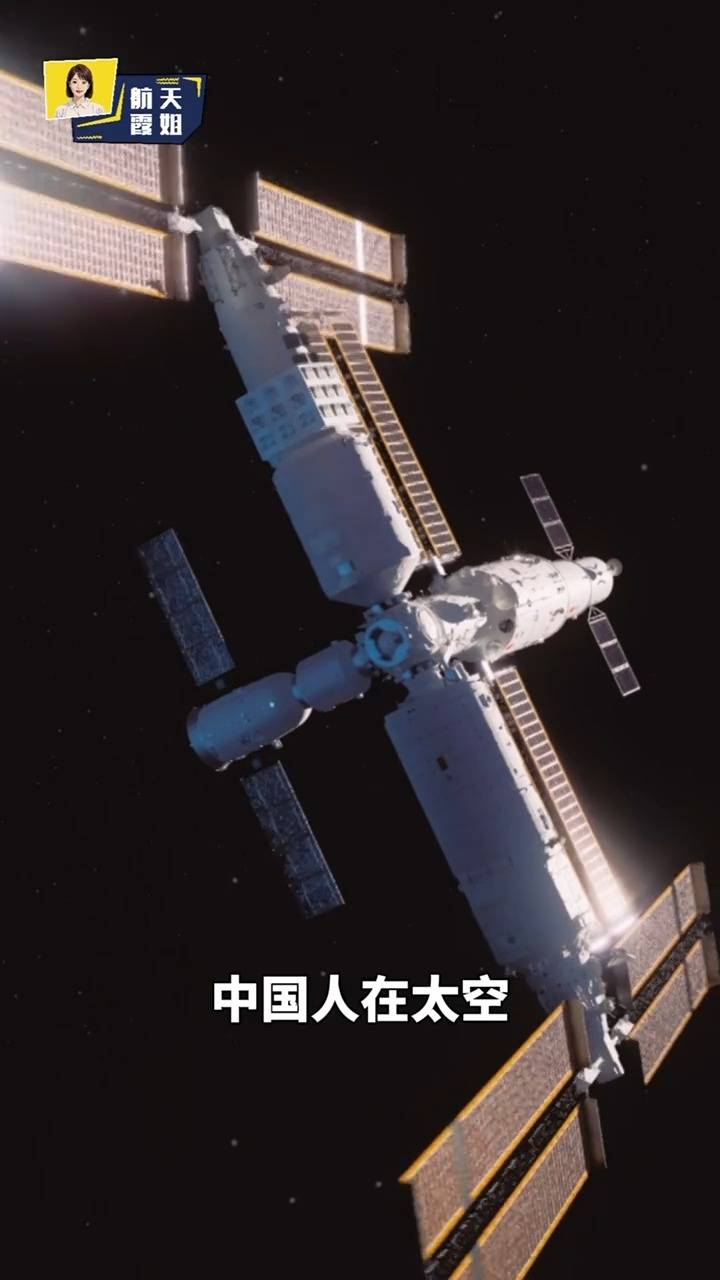
In 2021, the Tianhe core module will be launched. In 2022, the Wentian and Mengtian experimental modules were launched one after another, and the “T” shape of the space station was completed. The Chinese have their own home in space. Astronauts have stayed for a long time, space lectures have become regular, and extravehicular activities have set new records again and again.
Now, the Chinese space station is operating stably, and batches of astronauts are taking to space in succession. Manned lunar landing is also progressing steadily, with the goal of achieving the first Chinese lunar landing by 2030.
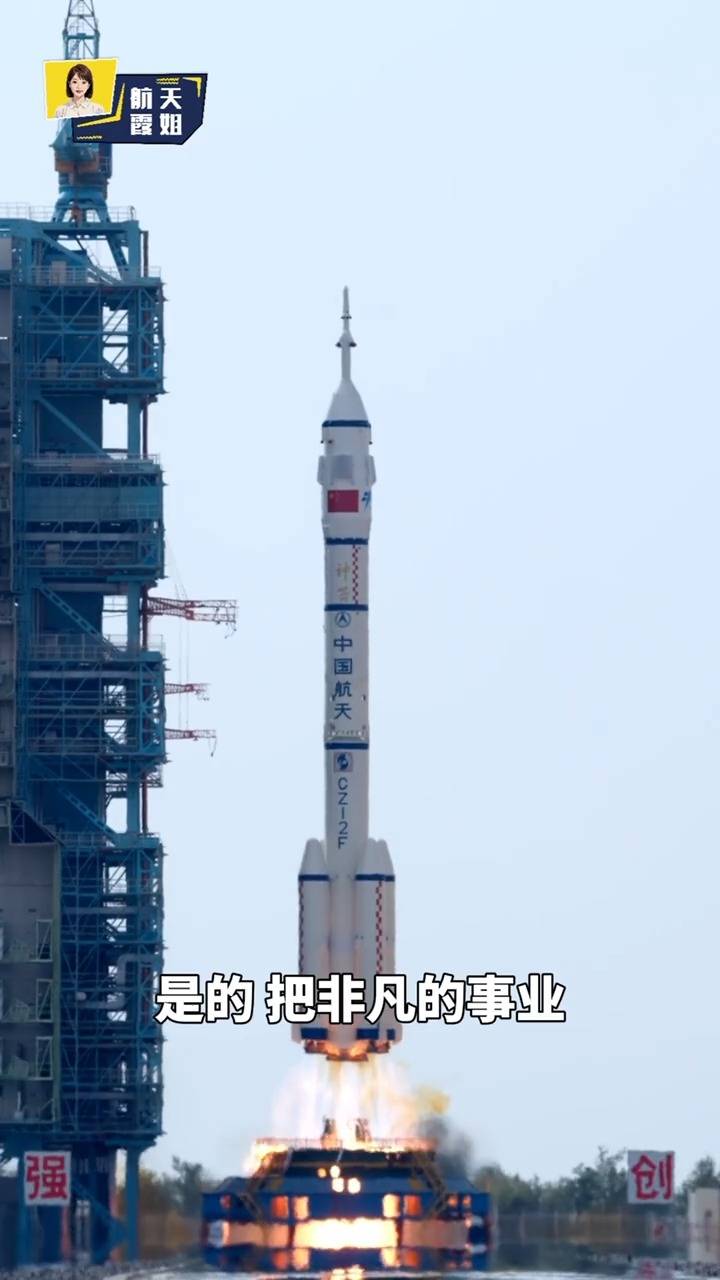
Miss Aerospace Xia:In 34 years, from a blueprint to a space home, from one person for one day to a long-term stay. Over the years, I have been recording every step of China’s manned spaceflight. I went to Jiuquan Satellite Launch Center more than 20 times, and I met old friends every time. Someone here said this to me, rocket launches are already a part of life for us.
Turning extraordinary undertakings into ordinary perseverance is the most remarkable thing about China’s aerospace industry.
Related Reading
- Video shows injured man on the ground in Illinois after ICE mistakenly targets U.S. citizen2026-09-23
- Build a strong community and build a strong Chinese family2026-09-23
- ICE officer who shot Venezuelan man in Texas wasn’t wearing a body camera, sources say2026-09-23
- Trump says U.S.-Iran ties are ‘developing’ as Tehran offers path to reopen Hormuz2026-09-23
- Traditional skills + modern creativity, Mid-Autumn Festival cultural creations are popular in the market2026-09-23