
Pull out teeth from the tiger’s mouth.
Text|Huashang Taolue Chen Siwen
On December 6, 2022, executives of the global pharmaceutical leader Merck saw an inexplicable announcement.
The announcement was long, and executives didn’t care much about the part about the deal. What dazzled them was other information in the announcement:A certain Chinese pharmaceutical company wants to go head-to-head with Merck.
“Head-to-head” is pharmaceutical industry jargon, which refers to a new drug conducting its own clinical trial using clinically used therapeutic drugs as a control.
Merck has gone head-to-head many times, but this time it became the benchmark for being challenged, and the one being challenged was the company’s flagship product: K-drug.
This made Merck’s executives feel incredible and unacceptable.
【01 Challenger】
Even outsiders can easily understand Merck’s cherishment of K-drugs. It is really hard-won.
In 2009, Merck merged with Schering-Plough and acquired a series of products, including pembrolizumab, also known as “K drug” for short. At first, it did not receive much attention, but after seeing that its old rival Bristol-Myers Squibb’s “O drug” achieved US$1 billion in revenue in the anti-cancer field, Merck turned the engine on.
Tens of billions of dollars have been invested in the research and development of K drugs. It supports dozens of indications and the simultaneous advancement of hundreds of clinical trials, allowing K drug to win 19 tumor indications and dozens of drug regimens at different stages.
As a result, O medicine was gradually left behind, and its revenue was only a fraction of that of K medicine. Especially in the core battlefield of non-small cell lung cancer, O drug not only lost the results, but also lost to Merck’s solid operations.
The latter relied on financial resources to fight a slow war, gradually expanding the camp from second-line drug use to first-line drug use, and by combining it with chemotherapy, it not only established the status of K drug in immunotherapy for non-small cell lung cancer, but also established the status of immunotherapy in the entire tumor treatment.
As a result, the revenue of K drug has been rising steadily, from US$55 million when it was launched in 2014. By the time Kangfang raised the challenge in 2022, its sales had rushed to more than 20 billion. Merck will achieve total revenue of US$59.3 billion and a net profit of US$14.5 billion in 2022.
Therefore, “King of Drugs” is not only a title given to MSD, but also a crowning for K-drugs.
Now, someone actually wants to go “head to head” with Medicine King. In particular, this company is called康方生物Merck is still very familiar with Chinese companies.
Just in 2015, Kangfang Biologics made a deal with Merck, in which it granted part of the rights to a self-developed monoclonal antibody drug to Merck for US$200 million.
For Merck, which is spending tens of billions to expand its K-drug front, US$200 million is not a big number, but it is extremely important to Kangfang Biologics.
Xia Yu, the founder of Kangfang Biotech, graduated from Sun Yat-sen University in biochemistry and went to the UK to study and obtain a PhD in biology and microbiology. Then she worked in multinational pharmaceutical companies such as Crown Biotech in China and the United States and Bayer in Germany. She has more than 20 years of experience in biopharmaceuticals.
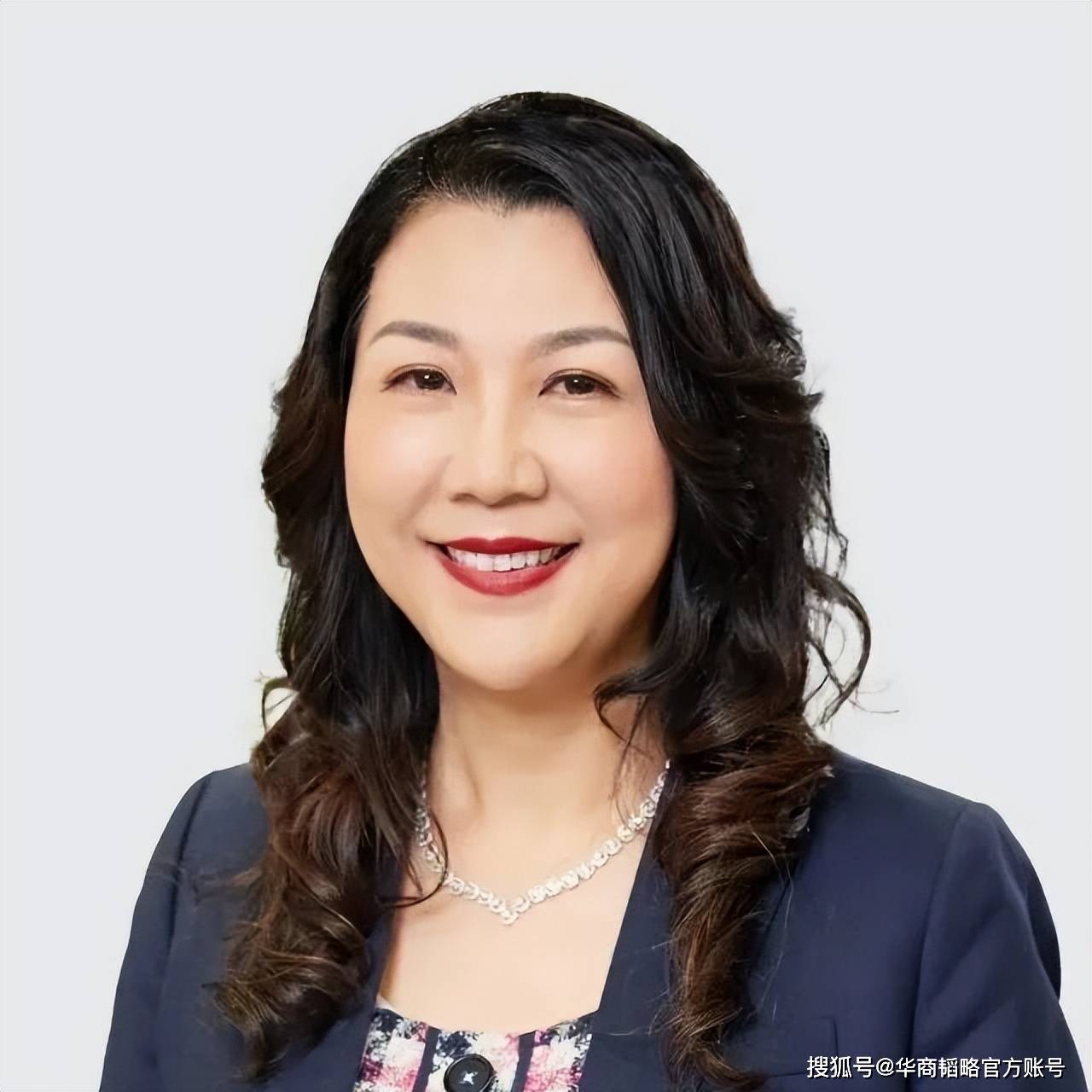 ▲Xia Yu, founder of Kangfang Biotechnology, source: Kangfang Biotechnology
In 2012, she returned to China with three doctors and founded Kangfang in Zhongshan, Guangdong.
First-of-its-kind innovative drugs are the general direction of Kangfang. However, it requires huge investment, long time, and high risks. More importantly, the maturity of the development platform determines how many detours pharmaceutical companies have to take.
In the first few years, Kangfang could only do pharmaceutical research and development outsourcing projects, accumulating funds and experience while quietly stocking up on products. Fortunately, before investors’ patience was completely worn out, Kangfang developed a mature monoclonal antibody drug.
Xia Yu, who was responsible for strategic overall planning, immediately made the decision to license the drug to Merck. Some people believe that this sets a record and is a landmark event that China’s innovative pharmaceutical industry is truly recognized, but others believe that this is a complete fire sale.
Xia Yu’s view has always been unwavering, “From a business model perspective, that moment must have been a decision that was beneficial to the company’s long-term development and supported our long-term development.”
Facts have proved that the decision was correct. The revenue of US$200 million was an excellent encouragement to the confidence of the investment community. Kangfang completed a round of financing of 130 million yuan in 2015; it has been a smooth journey since then until it was officially listed on the Hong Kong Stock Exchange in 2020.
For a long time, Xia Yu and the management have been making choices about product direction. Before 2020, monoclonal antibody drugs were the most fashionable varieties in the industry, and Kangfang had strong reserves in this area. However, after careful consideration, Xia Yu believed that monoclonal antibodies were already the red ocean, and decided to use the lightest way to operate the company’s monoclonal antibody products, without even building a sales team.
Years later, Xia Yu’s explanation was:“It’s too Red Sea. Anything that goes into the Red Sea will be scary.”
Although later facts proved this, with more and more domestically produced monoclonal antibodies on the market, the annual treatment price dropped from 100,000 yuan to 20,000 yuan, but there is another reason that really supports Xia Yu’s downplay of monoclonal antibodies.
A more attractive business has been pulling Kangfang: bispecific antibodies. It allows one drug molecule to affect two targets at the same time and do things that existing drugs cannot do.
During that time, Xia Yu appeared more often on forums and in the media. She has discussed more than once that she wants to be a company like Genentech in the United States, which is a disruptor in the pharmaceutical industry and the protagonist of the myth of a market value of 100 billion US dollars.
Xia Yu had a goal at that time and wanted to use bispecific antibodies.In the hinterland of K-drug, in the core battlefield of non-small cell lung cancer, we will make a better drug.
【02 Challenge the Medicine King】
Among lung cancers, non-small cell lung cancer is an especially dangerous type.
Its tumors usually grow near the central airway and close to large blood vessels, which forces doctors to be cautious when using anti-angiogenic drugs.
In addition, this type of lung cancer has almost no driver genes that can be targeted accurately, so targeted therapy is basically unavailable. For many years, K-drug immunotherapy combined with chemotherapy has been the only feasible first-line option.
It is necessary to give patients a way out, but because more patients have lower expression levels of related proteins in immune cells or have multiple metastases, the clinical efficacy of this program is not perfect. This can be easily discovered by searching in relevant papers.
Therefore, in Xia Yu’s view, double resistance will be the most likely direction for breakthrough.
The idea of dual-antibody drugs is to do two things at the same time. On the one hand, it activates the immune system to recognize and kill tumors, and on the other hand, it cuts off the blood supply of blood vessels on which tumors grow and changes the microenvironment around the tumors. The former needs to activate T cells in the human body, while the latter needs to normalize tumor blood vessels from the abnormal state of “distortion and leakage”, making it easier for T cells to infiltrate tumors.
Based on this idea, Kangfang has also made some ingenious designs for its new products, such as reducing the risk of causing unnecessary immune reactions through genetic engineering mutations.
In the laboratory, using molecular biology and protein engineering methods, it is possible to synthesize the desired protein molecule combination, but this is still far from becoming a drug.
In August 2020, Kangfang Biological’s dual-antibody drug “Ivosi” obtained clinical trial approval in China and the United States. Corresponding trials were carried out in the second year, and by January 2022, it showed good results in terms of safety and efficacy.
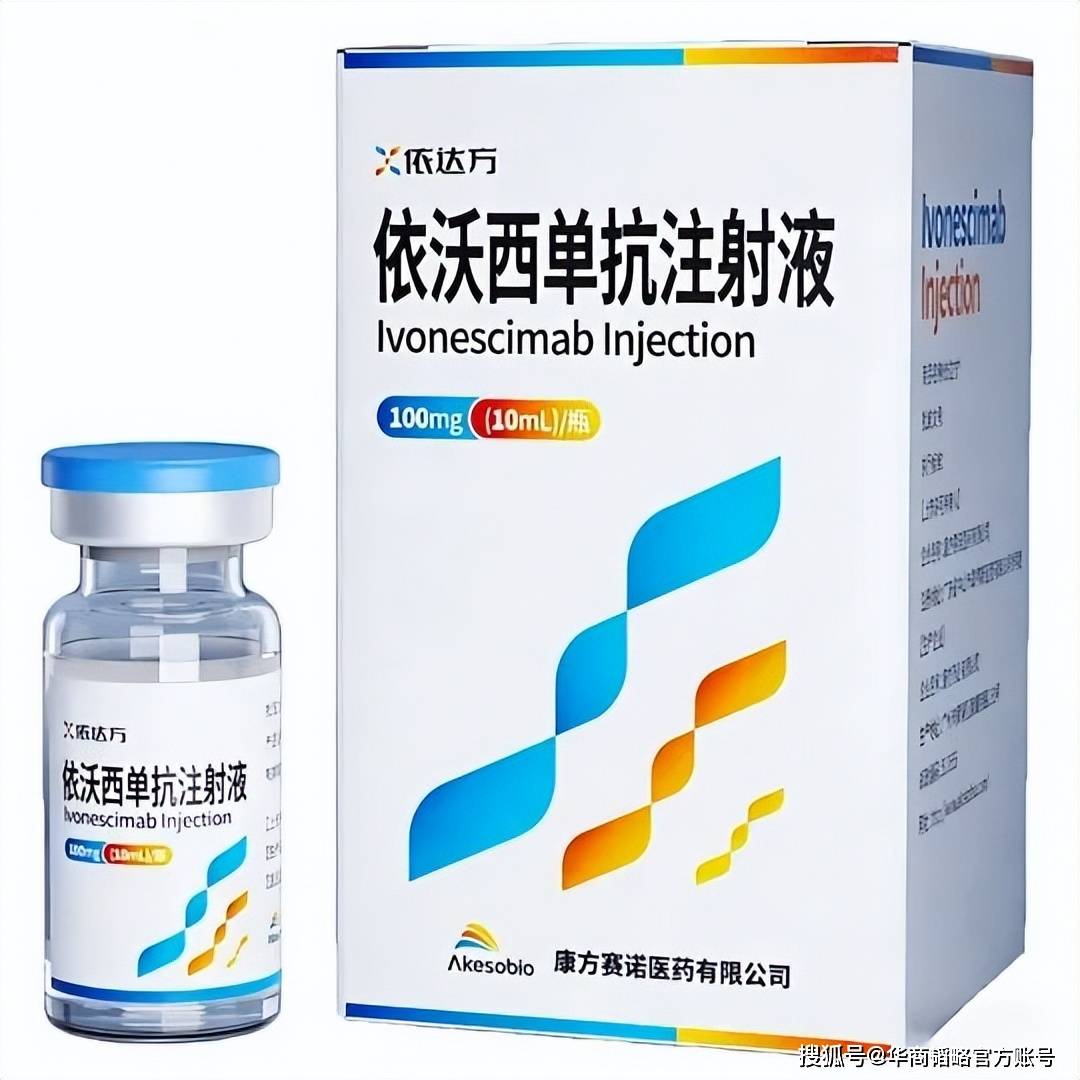
By the fourth quarter of 2022, all of Ivosi’s results showed smooth sailing, but the mountain weighing on Kang Fang’s head has become heavy.
One of the big mountains is finance. Although there are two marketed products in the process of hematopoiesis, Evosi is involved in the clinical development of more than ten projects, so the financial pressure can be imagined. Kangfang’s 2022 interim report was almost “shocking” at first glance. The revenue was only 163.1 million yuan, but the loss reached a disproportionate 630.4 million yuan. It is certain that the loss will exceed 1 billion by the end of the year.
What’s even worse is that in the past two years, Kangfang has suffered losses of the same magnitude every year.
Another big mountain is the way out of Iwosi. The essence of innovative drug research and development is a game of resource and money investment. Under the premise of limited resources, identifying the most likely varieties and investing in them is a big test for the vision of decision-makers.
When everything is on track, how to quickly gain influence and status is a topic other than technology.
Innovative drugs are different from consumer goods. They cannot rely on indiscriminate advertising campaigns, nor can they rely on sophisticated planning and marketing. However, their need to be “seen” is no less important than Coke, coffee, and television.
The ingenuity and subtlety must be left to Xia Yu to figure out a solution.
So in December of this year, Kangfang Biotech shocked the entire innovative drug industry with an announcement.
Kangfang announced that it would license the development and commercialization rights of Evosi in the United States, Canada, Japan, Europe and other countries to the American pharmaceutical company Summit Therapeutics. In return, Kangfang will receive a down payment of US$500 million and a total consideration of US$5 billion.
In hindsight, this was a good move that killed two birds with one stone.
The down payment of US$500 million has promptly replenished Kangfang’s cash reserves. Its original financial resources can no longer support continued investment in clinical trials. Every step forward will mean expenditures of hundreds of millions.
Although the overseas rights and interests have been sold, it is more like a “strategic layout” overseas.
Robert Dugan, the actual controller of Summit, once made the anti-cancer drug ibrutinib a star drug by virtue of his low-price acquisition of the innovative drug company Pharmacyclis, and sold his stake in 2015 for a sky-high price of US$21 billion.
But what is even more shocking is that Kangfang directly anchored the K drug and announced that it would go head-to-head with it in phase III clinical trials.
This is a step that both Kangfang and Merck are concerned about.
Regardless of the results of a “head-to-head” trial, it will not directly affect doctors’ use of drugs, but the quality of the trial data and its impact on the media, the public, and the capital market are intuitive.
Regarding this challenge, a pharmaceutical analyst made an evaluation:“It’s like a mosquito fighting a lion. No matter whether he wins or loses, the mosquito always takes advantage.”
Therefore, no matter how much offense, reluctance and contempt the executives of Merck feel, a competition will begin in the winter of 2022.
【03 Plunge, skyrocket】
More than 500 days have passed quietly. Just when people thought everything was calm again, big news about Kang Fang exploded like thunder one after another.
On May 24, 2024, as soon as the Hong Kong Stock Exchange opened, Kangfang’s stock price began to plummet, with the deepest drop reaching 42.77%. Even the good news that the National Medical Products Administration approved the official launch of Ivosi could not completely reverse the market.
The source of the collapse comes from the market’s interpretation of the experimental data of ivocilimab. Apart from the absurd parts, the most widely circulated one is that Kangfang is conducting a head-to-head trial and the data may be “less than expected.”
To this day, it is impossible to verify the originator of the rumor, but judging from the skillful and appropriate use of terminology, it must have come from peers or professional investors, so it was the most convincing to most people, which triggered a stampede selling.
At the critical moment, Xia Yu had to step forward to calm down her emotions. During an impromptu investor conference call at noon, her first sentence was: “I was shocked when I saw the performance of the stock market.”
Then, she began to further take stock of the data – for example, the HR indicator that is most closely related to clinical use. When the HR is less than 1, it is usually considered that the treatment group is more effective than the control group. On this number, Kangfang achieved 0.46.
Finally, Xia Yu tried to make a thorough reassurance with an assertion-like conclusion: “Are you worried that the data is not good enough? My own view is exactly the opposite.”
However, the market was already frightened and did not really have much time to think carefully about Xia Yu’s speech. The bearish sentiment caused by the capital outflow caused Kangfang’s stock price to finally close with a 22.27% drop.
This may be the most thrilling day in the history of Kangfang, and it was not until May 30 that the stock price stopped the decline with a slight increase of 0.63%. But the next day, the situation took a turn.
Before the market opened on May 31, Kangfang issued an official announcement:In a phase III single-drug head-to-head clinical study, Ivorosid was proven to be significantly more effective than K.
The capital market immediately responded. On the same day, Kangfang’s stock price rose all the way. It rose by more than 87% during the session and 37.50% throughout the day, recovering all the losses since the flash crash. Summit, which holds its overseas interests, rose by more than 272% that day.
A few days later, at the annual meeting of the American Society of Clinical Oncology, when asked by analysts about external challenges, Merck CEO Rob Davis did not respond directly, but talked about his own company:
“Even at Merck, they are not looking for the next K drug. This is a unique miracle and it has amazing benefits for cancer patients, but it is not a replicable model.”
For Kang Fang, the days since then have been smooth sailing.
Evosi entered the national medical insurance at the end of the year, and the price dropped from 2,299 yuan to 736 yuan per tube. The annual treatment cost for patients dropped from about 160,000 yuan to about 32,000 yuan. Price cuts compressed the revenue of single products, but brought more accessibility.
In February 2025, Summit’s overseas operations lived up to expectations. It reached a clinical trial cooperation with Pfizer to jointly promote the combination therapy of Ivosi and Pfizer’s multiple antibody drug conjugates. If it proceeds smoothly, Pfizer’s global sales system and product reserves will make up for Evosi’s shortcomings.
The market has also begun to become moderate. According to Kangfang Biological’s 2025 annual report, its revenue reached 3.056 billion yuan, a year-on-year increase of 43.9%. Although this number is far from the theoretical space and fails to meet management’s goals, the expectation of “better than K-drug” is enough to support investors’ enthusiasm. Kangfang’s market value once approached HK$200 billion.
But this big test is actually far from over. In the days to come, everyone from Kang Fang to investors can only continue to wait in addition to doing the things at hand well.
【04 Uncovering moment】
At Zhongshan Cuiheng Kangfang Bay Area Science and Technology Park, everything is still going on as in the past.
The exhibition hall is the face of a company. In Kangfang, there is also a room full of certificates and photos, but Xia Yu prefers to take reporters and investors to see the scene.
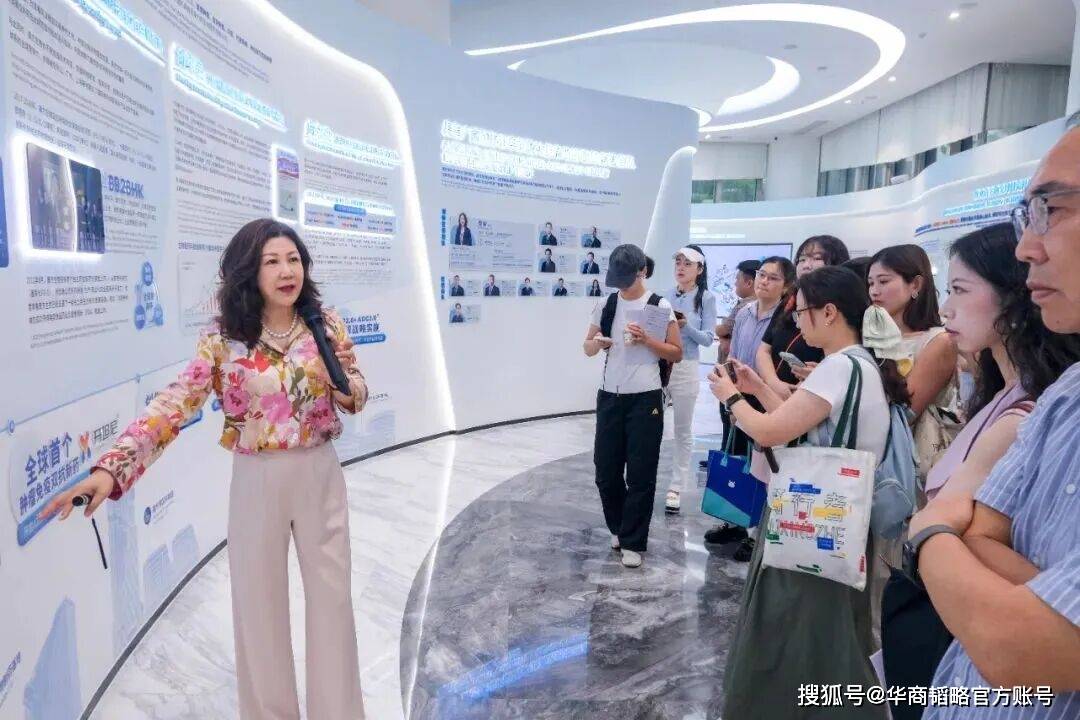 ▲Dr. Xia Yu leads media reporters to visit the exhibition hall. Source: Kangfang Biotechnology
At this time, executives often go into battle in person to explain to visitors how the monitoring equipment works and the status of cell expansion; or the significance of indicators such as nutrient composition and dissolved oxygen level after cells taken out of liquid nitrogen are placed in a shaking incubator; and how indicators are debugged one after another to become parameters suitable for large-scale production.
Visitors will also go to the production building, where there are different views: a set of four bioreactors imported from Austria, with their tens of thousands of stainless steel tanks, show the splendor that visitors can easily understand.
These R&D and process systems established with large investments are operating day after day. They are the incubation pool for Kangfang to continuously output new ideas, new protein molecules, and even new drugs.
This is the daily experience of an innovative pharmaceutical company with a short history. Suddenly, thunder is heard in a silent place.
Among all industry categories, “innovative drugs” is a particularly magical word. Under the business model of “investment first, income later”, the demonstration effect brought about by the success of K drugs has made investors and practitioners not only pursue it rationally, but also almost fanatically. As a result, everyone has formed a divided mentality. They are eagerly anticipating the results and looking forward to winning the jackpot, but they are also afraid of knowing that the results will be empty in an instant.
On September 15, 2026, at the 2026 World Conference on Lung Cancer (WCLC) hosted by the International Association for the Study of Lung Cancer (IASLC), 1,400 days after the start of the “head-to-head” competition, Kangfang Biologics once again announced new data: Ivosi can extend the patient’s median overall survival by 8.2 months to 30.8 months, while the K drug as the control group is 23.2 months.
This means,Evosi can show a stronger overall survival benefit in specific trial populations. It has therefore become the first drug in the world to successfully challenge K-drug “head-to-head” as a single drug.
In 2025, although K drug is no longer the global “drug king”, it will still be the drug with the highest sales in the global oncology field – US$31.68 billion.
This has allowed Kangfang’s investors to begin to imagine new possibilities and the bright future that will follow. But before that, this young company with only a history of fourteen years still has a lot to do.
——END——
Welcome to follow [Chinese Business Tao Lue], get to know the famous figures, and read the legend of Tao Lue.
All rights reserved. Private reproduction is prohibited.
Related Reading
- Original Hilton offers more than 200 yuan, the more you open, the more you buy2026-09-26
- Original: A T-shirt sells for 2 yuan, and Hebei people are stunned by Yiwu2026-09-26
- Double the average! Diamonds can’t be sold, but they are rising more and more2026-09-26
- Meta’s new AI agent wants to make managing money easier2026-09-25
- Mortgage rates top 7%, dealing a further blow to the frozen housing market2026-09-25