an ordinaryThe price of a toilet is about 500 yuan.
而這,It is the most expensive toilet in the world so far, the “Universal Waste Management System” on the Artemis 2 spacecraft,The cost is as high as $23 million., equivalent to RMB 165 million, can buy 330,000 ordinary toilets. NASA worked hard for six years to get him.
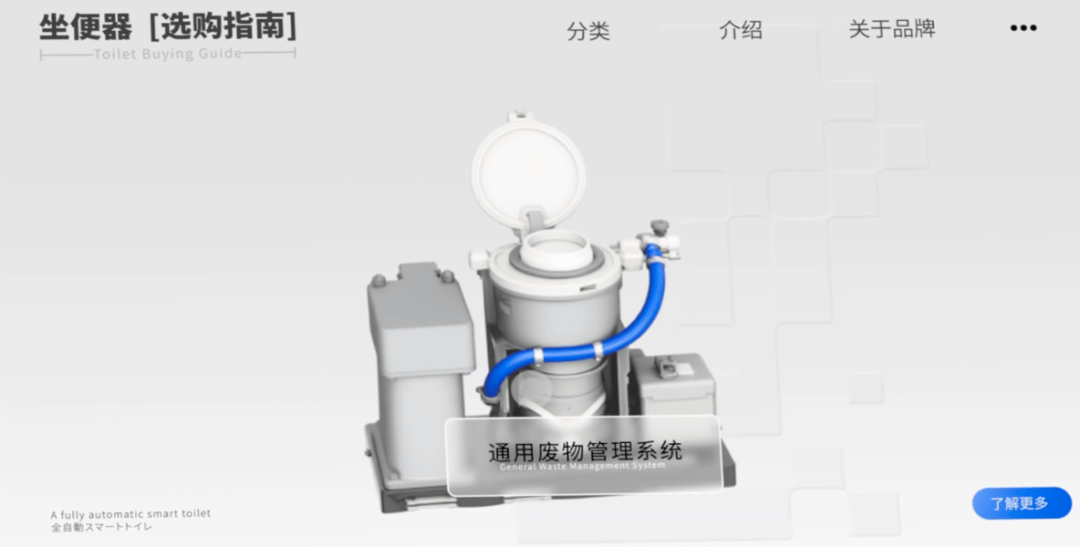
And I was spoiled on my first day on the job. .
Why does a toilet that costs a few hundred dollars on Earth cost $23 million in space?
In fact, in space,How to deal with excrement has always been a headache for humans。
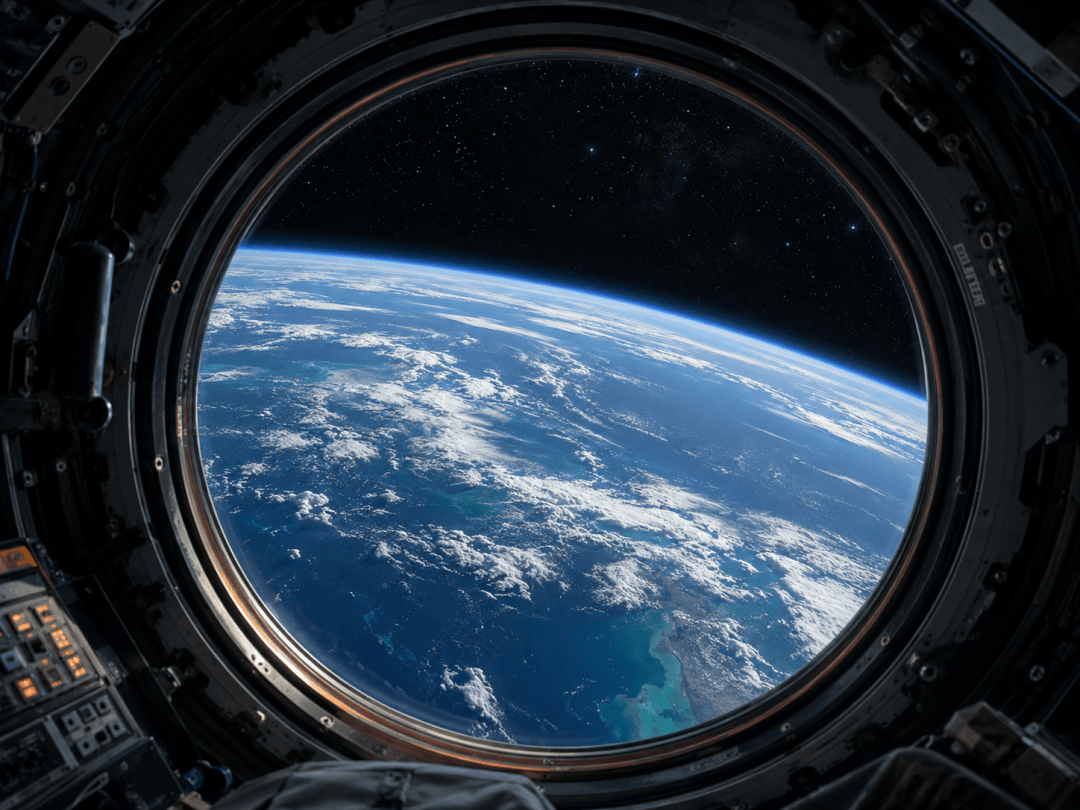
In the weightless space environment, excrement will not fall down like it does on the earth, but will turn into water droplets and debris and float upstream into the air.
In a confined and small space, the sight and smell of “flying all over the sky” will not only cause serious mental pollution to astronauts, but also pose potential safety hazards.
The cockpits of early spacecraft were very small, and there were circuits and sensors everywhere. Floating pollutants could easily drift to the equipment and cause short circuits.
A space toilet that can collect excrement is not only related to the dignity of astronauts, but also a necessity for going into space.。
But for those who carried out the first U.S. manned space missionastronaut alan shepardFor example, such decency does not exist.
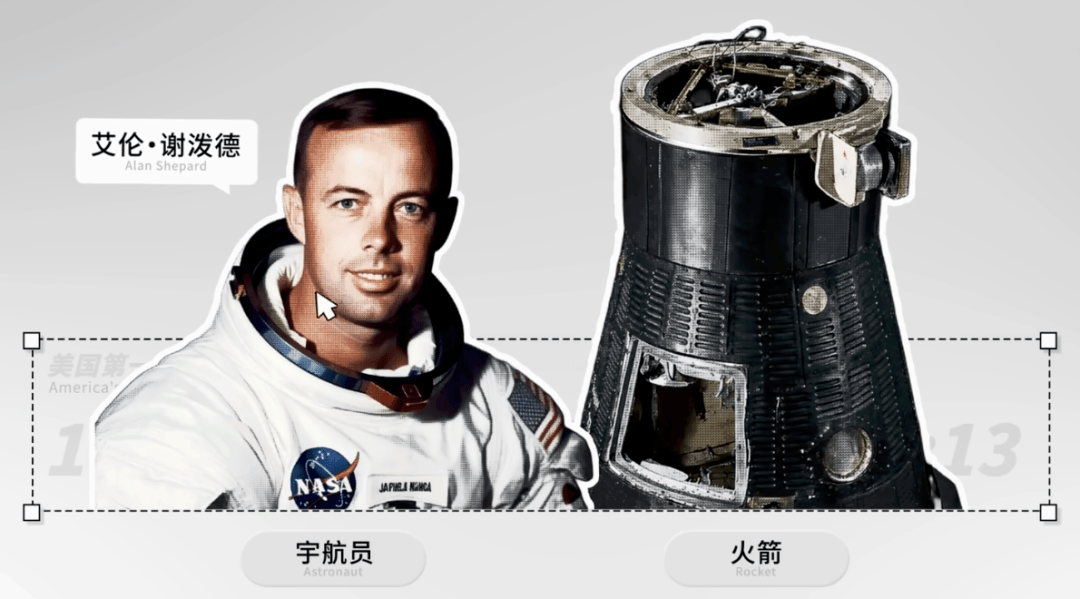
On the Liberty 7 he was traveling on, there were no toilets at all.
The reason is also very simple.
According to the mission design goals, the interval from launch to landing is only fifteen minutes.Including the “waiting” time in the launch bay, the full flight is only two hours.
Let the astronauts eat less and drink less water. In this short time, they should not be suffocated to death.
But on the day of launch, something unexpected happened.
When Shepard put on full gear and sat in the launch bay, the launch was delayed due to weather and mechanical problems.
What’s even more unfortunate is that before the launch, he was in a good mood and just showed off a good meal. According to NASA records, Shepard ordered a good steak, bacon, thick eggs, and a large glass of orange juice for breakfast that day.
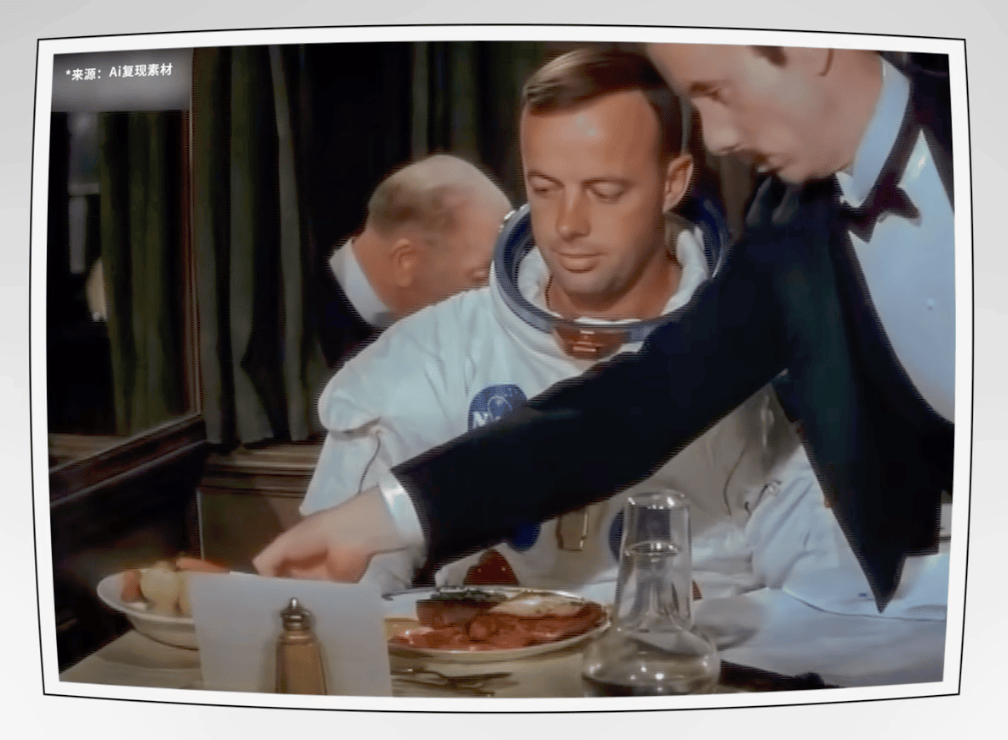
Over the next few long hours, this hearty breakfast gradually turned into a prize pool that kept accumulating due to the chemical reactions of the digestive system.
Soon, Shepard felt the big one coming.
But what’s worse is that it’s already before takeoff.In the final standby state, Shepard has been fixed in the seat, and various sensors for monitoring heart rate, body temperature, and pressure have been plugged in. The cabin door has been sealed, and it is impossible to get out of the car.
He couldn’t help but want to “draw the lottery”, so he could only keep asking the ground to urinate directly in his space suit.
In the end, the command center had to remotely turn off the sensors on the spacesuit that were prone to short-circuit, and accepted the fact that he peed his pants and became the first person in American spaceflight.
However, this solution is obviously far from decent.
The urine first accumulated in Shepard’s lower back, then soaked through her underwear and damaged some of the sensors. It was slowly air-dried until the oxygen circulation system was restarted.
Some missionaries may ask, wouldn’t it be possible to avoid this embarrassment by letting astronauts wear diapers to heaven?
Sorry, in the modern sense, diapers made of polymer materials,Not invented until the 1980s。
After the lessons learned from this incident, NASA quickly developed a set of “simple toilets” to prevent astronauts from getting sick again. Among them, the urine collection device consists of a wearable collection bag and an external urine bag that can be connected to it with a quick-release head.
When used, the discharged urine will first be put into the collection bag that is carried with you.
When it reaches the upper limit of capacity, the astronauts then connect the hose through the quick-release head on the outside of the spacesuit, and then press the manual pump on the hose to pump the urine into the external storage bag.
But according to actual feedback from astronauts, the experience of using this device is simply a disaster.
It’s hard to press the pump.,The connection point of the quick-release head is also prone to leakage, and astronauts have to use paper to catch small yellow droplets from time to time.
Later improved models, although the air tightness was upgraded and the pump was replaced with a bellows pullout device that was easier to operate,
But it also brought new problems: This device requires astronauts to pull the bellows at a certain rhythm, otherwise reverse flow will occur.
However, it is difficult for astronauts to find the correct rhythm while urinating. Usually they can only find a teammate to “double row” to help them blow the bellows.
In comparison, the devices used to poop are even cruder.
It’s just a plastic bag with a circular opening.There is a circle of double-sided tape around the opening, which is used to seal it on the butt.
In a weightless environment, feces will not naturally fall into the bag.Therefore, after defecating, the astronauts have to use the finger cots on the side to reach into the bag, pull out the stool and push it deep into the bag.,Throw in a small bag containing the antiseptic and keep rubbing it through the bag.
If it’s just a short flight of more than ten hours, maybe you can grit your teeth and endure it. But as time goes by, it becomes difficult to stand up.
For example, in 1965, for打破Soviet record for longest time in orbit,美國“Gemini 5”, which stayed in space for nearly eight days, and “Gemini 7”, which stayed in space for two weeks, were launched consecutively.。
據當時航天members’ memories, even if they haveLasted more than a weekIt was the first time to meet physiological needs, but in the last few days of the mission, the smell in the small cockpit still almost made people breathless.
Compared with the United States, the Soviet Union, which went into space earlier, had a much more elegant toilet experience.
在加加林Onboard the “Oriental No. 1”, it is equipped with a simple device consisting of a fan, a waste tank, a filter and two collection ports.
Among them, the trumpet-shaped one is the liquid collection port, and the cup-shaped one is the solid collection port.
When in use, the fan at the end of the duct rotates,A negative pressure is formed near the collection port.The urine will be sucked up like a vacuum cleaner,Follow the pipe into the waste tank below.It is then absorbed and fixed by the sponge in the tank.
Solid excreta will be adsorbed by the airflow in the collection bag at the bottom of the solid collection port.
After use,航天員Tie the collection bag tightly again.Put it into the designated sealed collection bin to prevent the leakage of contaminants.The air sucked in together will continue to be purified by the filter, and finally recycled back to the cabin.
And, although the first to ascend to heaven加加林was male, but designers at the time had future women in mind航天The designer designed two different shapes of collection ports to adapt to the different physiological structures of men and women.
In the space station era, the Soviet space toilet was basically based on this set of ideas.優化, Replaced the container with a replaceable disposable linerLarger storage tanks that rely on air flow to discharge waste water.And added a more powerful deodorization system and redundant design.
At the same time, the United States also gave up the “bag” and switched to a toilet with a similar working principle.
A transfer tube was added below the solids collection port in the shuttle toilet.Once the astronaut pulls the handle, the cover of the transfer tube opens.The airflow will be drawn downward from near the seat, bringing the solid excrement along the transmission tube into a spherical container below.
However, in order to form a large enough downward airflow in a vacuum environment, the opening of this transmission pipe must be designed to be small enough.
This requires astronauts to pull accurately enough. If the body is not exactly aligned with the center of the transfer tube, it may rub against the wall of the tube or even the user.
In order to train astronauts to find the correct position, NASA even built a pooping simulator with a camera at the bottom of the transmission tube at the Space Training Center.
Let astronauts practice aiming in front of the display screen simulating the position of sitting on the toilet to form muscle memory。
As space exploration continues, these space toilets will not only provide航天It provides members with a relatively more comfortable living environment, and it also plays a more important role——Recycle water resources。
A normal adult produces about 1000 to 2000 ml of urine a day, which is equivalent to 2 to 4 bottles of mineral water.
The longer the voyage takes and the more passengers there are, the more urine will be produced. So much excrement cannot always be piled on the spacecraft.
For a long time, the more common treatment method was to dump the collected urine directly into the universe every few days.
space shuttle discovery宇航Richard MullaneI once wrote in my memoirs about the scene where urine was sprayed out of a space shuttle, instantly frozen into tens of thousands of ice crystals, and shot into space like tracer bullets facing the sun.
But at the same time, these scattered ice crystals will continue to hit the fragile structures of the spacecraft during long-term operations, shortening their lifespan.
The most typical example is the Soviet Union’s Mir space station.
As it nears retirement,solar panel的Power generation capacity has dropped by 40% compared to the initial design stage. In addition to the effects of space environment such as normal aging, radiation, and micrometeorite impacts, long-term “strafe” by urine ice crystals is one of the important reasons for performance degradation.
On the other hand,Sending water from the earth to space is ridiculously expensive。
In the space shuttle era, it cost about fifty or sixty dollars to put 1 gram of something into low-Earth orbit. A 500-gram bottle of mineral water costs nearly $30,000.
With no place to throw it away and no water to use, engineers quickly thought: Since most of urine is originally water, can it be collected and turned into usable water resources again?
In November 1989, with the launch of the “Quantum 2” module,A regeneration system that converts urine into domestic water SRV-U He was also sent to the “Mir” module of the International Space Station.
Before urine enters SRV-U, urine must first go through a series of預處理。
If urine is left for a long time, it will decompose, smell, breed bacteria, and even產生Precipitation blocks the pipeline.So before entering the system,A pretreatment agent consisting of a mixture of sulfuric acid aqueous solution and chromium trioxide must be added first. Used to stabilize urine components and inhibit microbial activity.
After this, the treated urine has to go through a process calledcentrifugal separator的組件。
centrifugal separator的作用,就It separates urine from the air flow through centrifugal force generated by high-speed rotation.The air continues to pass through the filter, is deodorized and purified, and then discharged back into the cabin.
The separated urine will be sent to the regeneration system to further extract the water.If the regeneration system cannot process it temporarily, it can also be put into a temporary storage tank first, and then slowly digested when the system is free.
From 1990 to 2001, this system processed a total of 11,100 liters of urine and obtained more than 6,000 liters of water, which was recirculated as raw material for oxygen production.
The Americans on the other side of the space station are even more radical. Their urine recycling system will filter, distill, and sterilize the urine, and then directly turn it into drinking water for the astronauts.
The space toilet on the Chinese space station also uses airflow suction to collect excrement. Solid waste will be sealed and disposed of, while urine will enter the regenerative life support system and be treated and turned back into water that can be recycled.
In order to go to the toilet decently in space, humans have gone back and forth花了六十多年,燒了無數個億。
The end point of all this is to bring us closer and closer to truly living in space.
So one day the bad reviewer will be able to become a space resident. I hope that my toilet in space will not be like the one in our company, which is blocked by wet toilet paper every three days.
撰文:吉吉
視頻後期:honey & hammer & sam & aspirant & stefan
美編:Huan Yan & Sketch
Related Reading
- The second generation bean bag mobile phone has not solved the old problem2026-10-08
- Tencent secretly tests “AI beauty companionship” internally, will real-person companionship be collectively unemployed?2026-10-08
- The circle of AI bloggers is being crowded by “China Theater and Nortel”2026-10-08
- Original: Xiaomi is in big trouble again in India. How much meat will India cut off Xiaomi this time?2026-10-08
- The US version of DeepSeek has been submitted2026-10-08