Article | Jiajia has something to say
Editor | Ying Yi
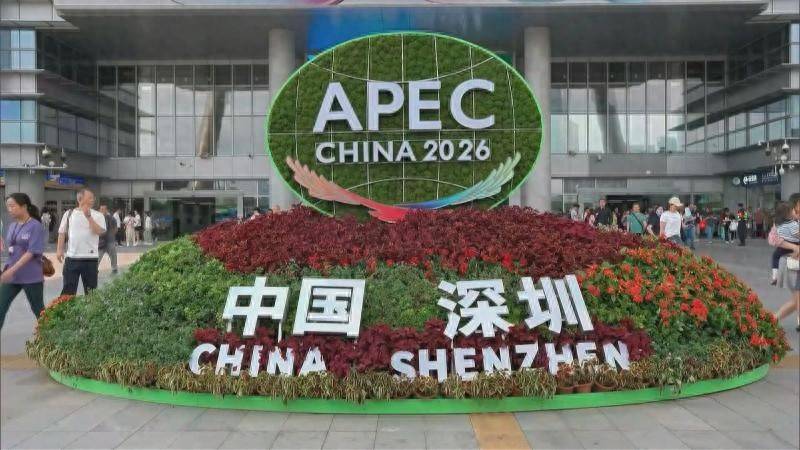
Just one day after APEC started, three things in Shenzhen exploded on the Internet.
The video of 151 humanoid robots dancing in unison to break the Guinness record leaked out first, then the exoskeletons were lined up to be tried on by foreign guests, and then the water shell jewelry was dragged in suitcases and scanned for goods. The sentence “I want a Shenzhen” became the most frequent phrase in overseas comment areas in those days.
To be honest, from my own perspective, the most interesting thing about this matter is not at all that “Shenzhen is popular again”. What really makes me think it is worth stopping and thinking about is why these three things are so popular, and they are popular in the way of “being touched, put on and worn by foreigners.”
Let’s look at the robots first. 151 units danced simultaneously and set a new record. The visual impact is indeed strong, but if you only see the “performance”, you will miss what’s underneath.
In 2025, the total output value of Shenzhen’s robot industry is 242.6 billion, with 194,900 sets of industrial robots, accounting for more than a quarter of the country; 7.9665 million sets of service robots, accounting for more than 40% of the country.
UBTECH’s Walker S2 has received orders from Airbus and Texas Instruments, with the annual order volume exceeding 1.4 billion; Zhongqing Technology has won orders for 2,000 units in three years by relying on motion control technology.
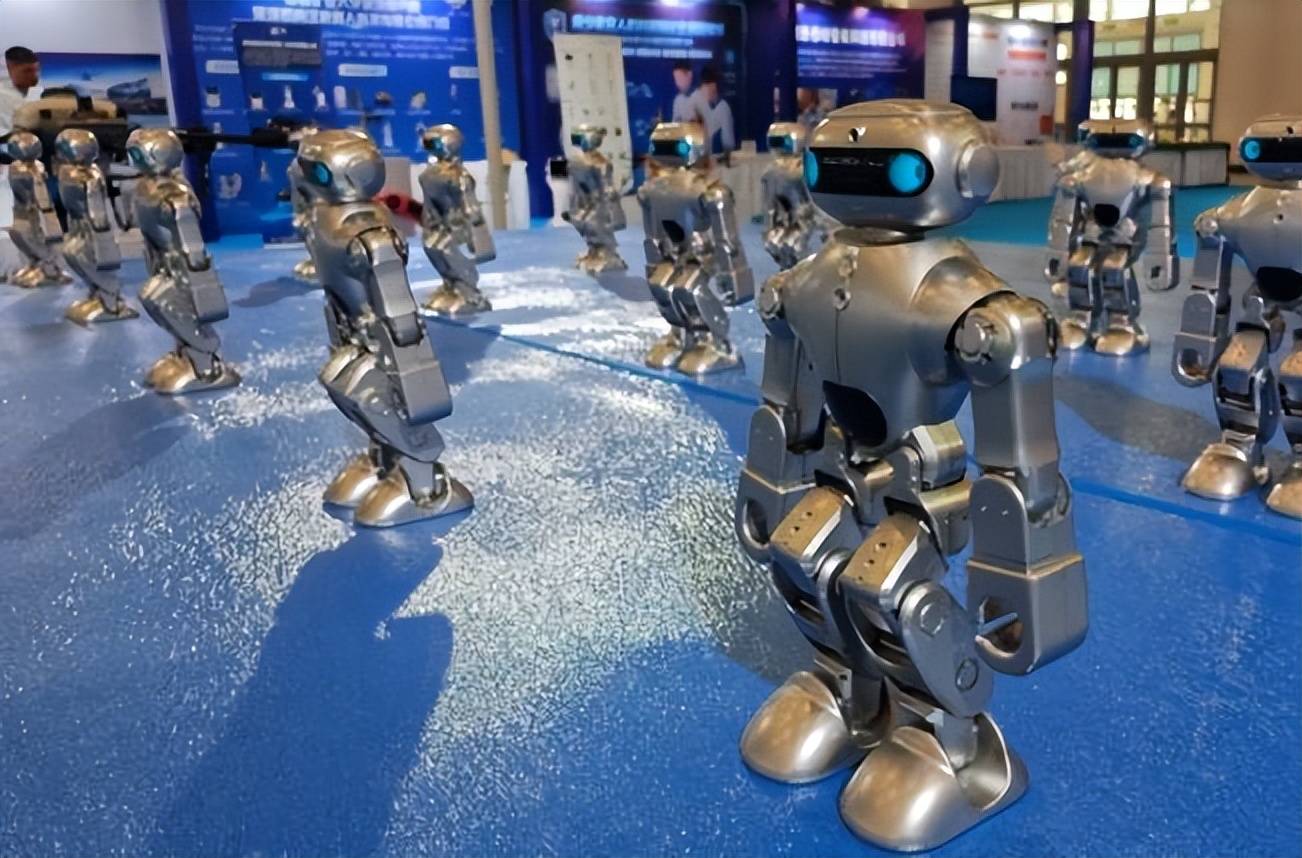
In my opinion, the picture created by these numbers is much heavier than the few minutes of dancing on the stage. The robots in Shenzhen are not “flexing their muscles” but delivering goods in batches.
The performance just translates the industrial facts that have already happened in a way that laymen can understand.
The same goes for the exoskeleton line. The Step Robot was first used for medical rehabilitation, and later moved into consumer-level mobility assistance. The products are sold in more than 70 countries and regions.
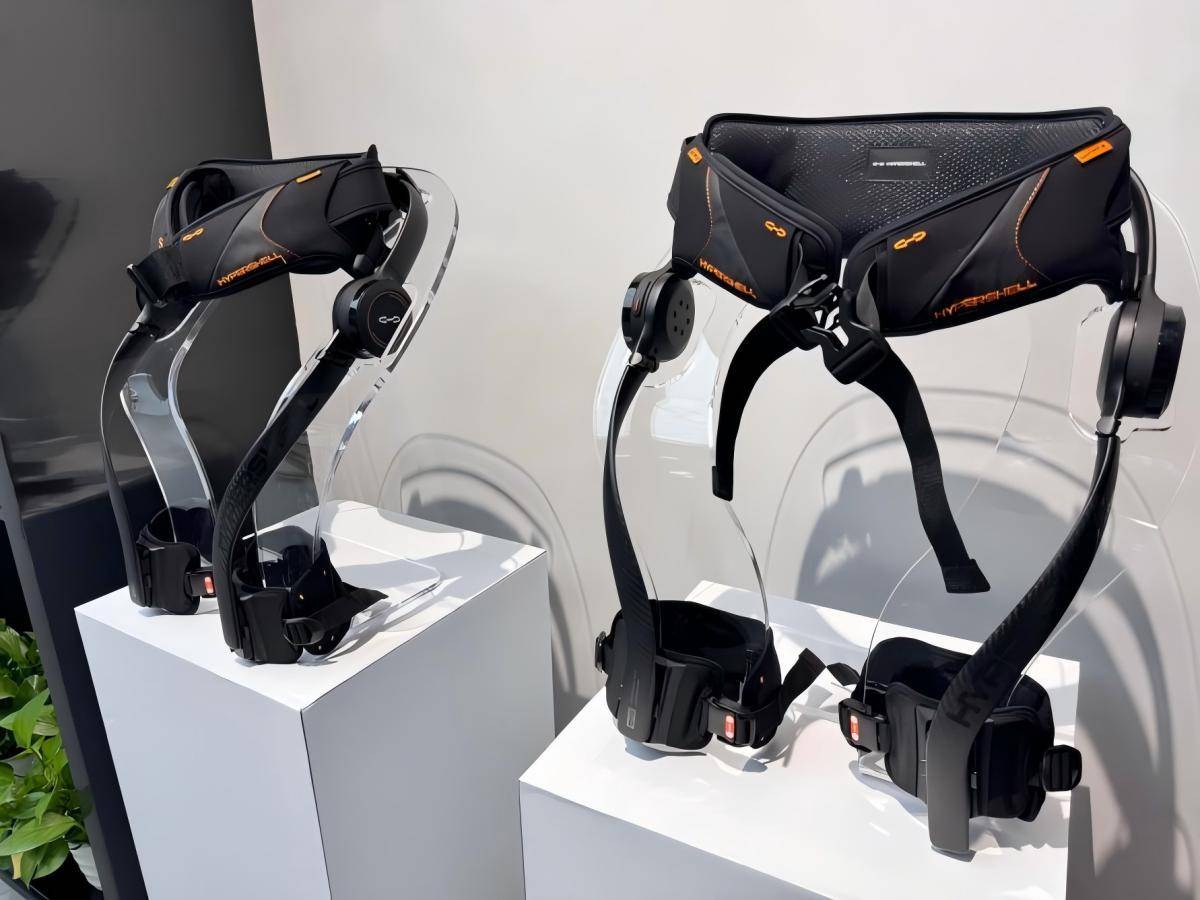
There is a “π”-shaped walking robot with a dead weight of 1.8 kilograms. The high-end version costs less than 9,000 yuan, while similar foreign products can cost tens of thousands of dollars.
From my perspective, this is the real reason why someone asked about the purchasing channel after foreign guests queued up to experience the exoskeleton at the summit. It was not curiosity, but “I can afford this thing” after calculation.
The difference in the price of a piece of equipment is an order of magnitude, which brings not the old narrative of “made in China is cheap”, but the new narrative of “cutting-edge technology has been brought to a popular price zone by Shenzhen”.
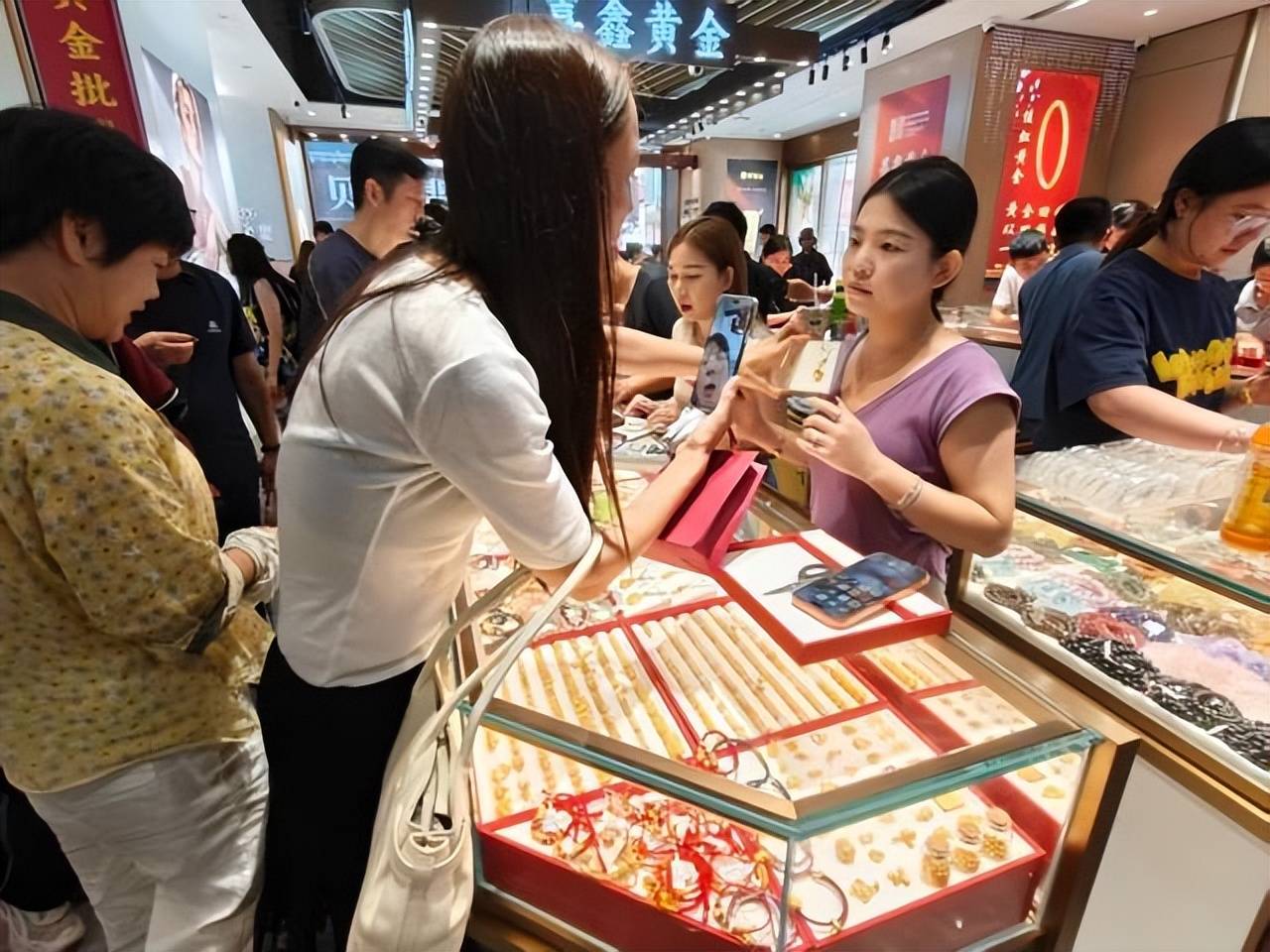
Shuibei Jewelry is even more interesting. There are more than 9,000 jewelry legal entities, the industry scale exceeds 200 billion, and the domestic gold jewelry wholesale share accounts for about half.
Gold jewelry of the same style is 20% to 30% cheaper than overseas. This is not due to cutting corners, but to the space squeezed out by industrial clusters that eliminate intermediate links layer by layer.
My personal judgment is that the fact that Shuibei was “swept out of suitcases” by overseas merchants marks a cognitive reversal. In the past, overseas buyers looked at China’s jewelry clusters for “OEM production capacity”; now they drag boxes, take photos and post on social accounts, and look for styles, prices and the speed of new releases.
Chinese-style designs are actively selected by overseas buyers. This signal is more direct than any investment brochure.
Looking at the three things together, they actually follow two completely different industrial routes. Jewelry is traditional manufacturing plus cluster efficiency, while robots and exoskeletons are cutting-edge technological innovation plus commercialization.
But these two routes have completed external communication in the same window, using the same method and physical experience.
The more than 2,000 political and business people and 115 Fortune 500 companies in the venue did not sit there and listen to PPTs. They tried them on, wore them, and went out to buy them.
From my own perspective, I believe that the persuasiveness of written propaganda weakens in the face of physical objects, which is the most underestimated variable in this communication.
If you write a hundred articles on “Shenzhen Industrial Upgrading”, it will not be worth the question “How to buy” after an Indian agent put on an exoskeleton and took two steps.
Of course, I don’t want to say this too perfectly. The traffic brought by a summit has a window period, and the popularity of overseas social platforms dissipates as quickly as it comes.
What can really turn “I want a Shenzhen” into long-term orders and stable cooperation is not the dancing video itself, but whether Shenzhen’s supply chain can handle the influx of inquiries, whether delivery can keep up, and whether after-sales can be implemented after the video is turned off.
In my opinion, leaving the circle is the result, not the cause; the reasons have been written before leaving the circle, written in the robot output value of 242.6 billion, written in the cluster density of 9,000 jewelry companies, and written in the engineering capabilities of those who can turn tens of thousands of dollars of equipment into less than 10,000 yuan.
Communication just pushes something that already exists to where it should be seen.
Related Reading
- Anthropic engineer’s warning about Claude Code explains why tech outages could get much worse2026-11-22
- Original Anthropic goes public and creates wealth: 96% of employees became millionaires overnight2026-11-20
- The beauties and handsome guys from UB.com want to enter your home and wait until they arrive.2026-11-20
- Original: Tencent’s shareholders will suffer again2026-11-20
- Huang Renxun, there is no way he can go back!2026-11-20