What a long time to see you! The humanoid robot actually jumped into 1,500-degree molten steel and “self-cremated.”
This is not a preview of any sci-fi blockbuster, but a magical operation by Silicon Valley giant Figure AI.
Let’s talk about Figure AI first, which is the humanoid robot company that has cooperated with OpenAI and has been chased by a lot of capital.
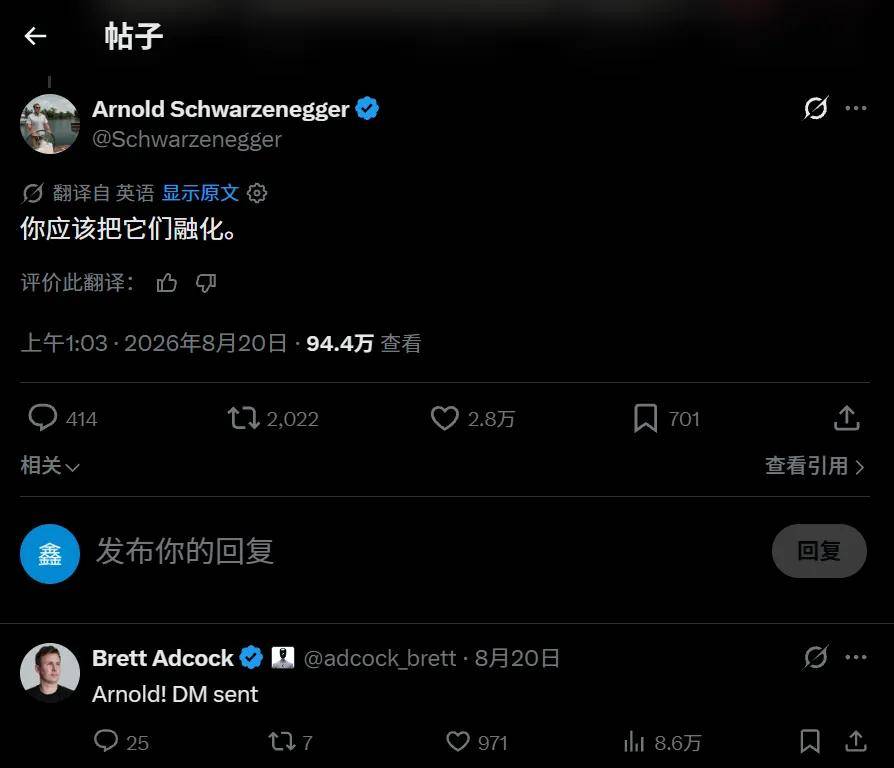
In August this year, the company’s boss posted on social media that the F.02 was going to be honorably retired and asked everyone if there was any decent way to say goodbye.
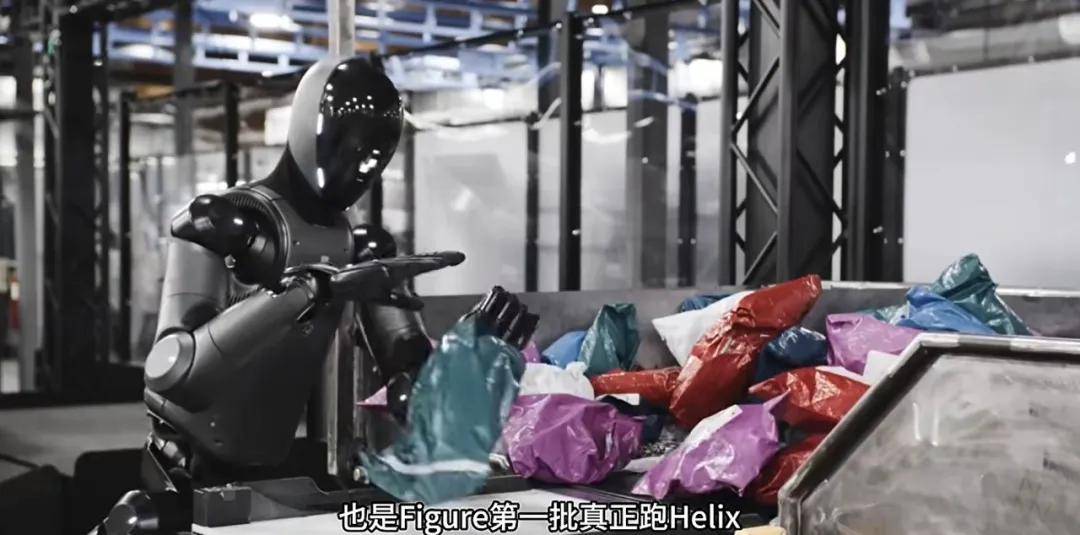
F.02 is the group of robots that went to work at the BMW factory. They worked a total of more than 1,200 hours and participated in the production of more than 30,000 cars.
The Helix it runs on is Figure’s self-developed AI control system, which is considered the cornerstone of the company’s technological start.
As a result, Schwarzenegger himself responded with four words: “melt them.” It probably reminded me of the famous scene in “The Terminator” in which I participated, where the T-800 actively sank into molten steel and destroyed itself.
I thought it was a joke, but Figure took it seriously.
They contacted Schwarzenegger, invited people to the scene, and the entire retirement plan was launched.
But the problem is that it is far more difficult to actually operate it than imagined.
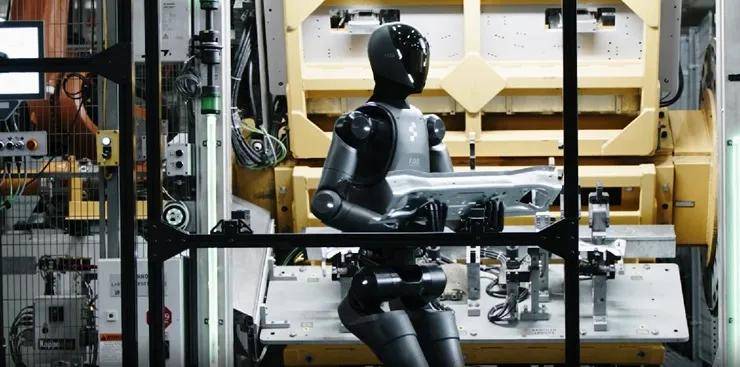
First of all, it is difficult to find a venue. Because the robot has a lithium battery inside, it can easily damage expensive smelting equipment if thrown into a furnace. When the foundries in the United States and Mexico heard this, they were all frightened and waved their hands.
In the end, they had no choice but to contact a foundry in Imatra, Finland, and finally decided on the venue.
And for this perfect ending, the technical team first set up a large cushion in the campus in San Jose, California, and let the robot jump from the second floor.
Then an AI model was specially trained to simulate the action of jumping into molten steel in a simulation environment.
It was even more outrageous when we arrived at the scene. They only have 24 hours and 6 opportunities, and each furnace of molten steel only has a 20-minute prime operating period. Once the molten steel cools and forms a crust, it has to wait for the next heat.
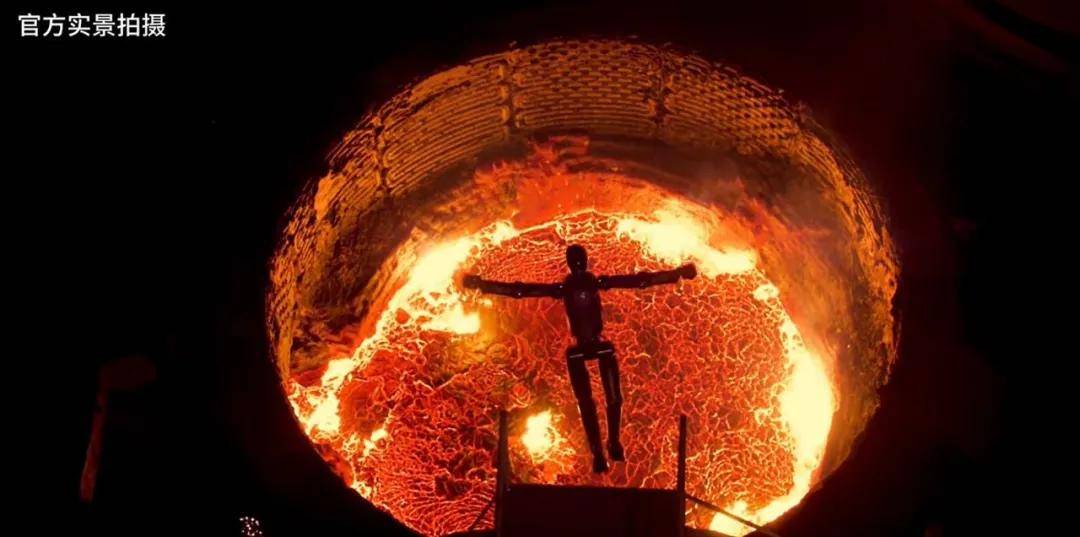
Finally, the robots walked up one by one and jumped autonomously into the rolling hot molten steel.
Because the picture is too sci-fi, the official has repeatedly refuted the rumors. The entire picture is real shot and is definitely not generated by AI.
What’s even more interesting is that this batch of melted metal raw materials was also shipped back to the United States, processed into limited edition souvenirs, and sold for $1,900 each.
Seeing this, many people don’t understand. Just retire when you retire. Do you need to spend so much time and effort on such a solemn and solemn ceremony to dismantle parts, put them into warehouses, and sell scrap metal?
In fact, there is a very real business knot here: to prevent the leakage of core technology.
This batch of robots is packed with a large number of their own custom actuators and proprietary hardware. If you sell it directly or give it away, the core technology may be lost.
The company explained that if engineers were allowed to manually disassemble each unit one by one, it would not only waste a lot of valuable time, but would also slow down the mass production of the next generation of products.
Therefore, “melting down” is the easiest and most confidential way to deal with it.
As soon as the video came out, the entire network exploded, and the comment section was polarized.
A group of netizens believe that this is definitely the top performance art and marketing operation in the technology circle this year.
It not only protects technical secrets, but also uses classic film and television IP to create communication hot spots, eating two things with one fish.
Another group of netizens felt that this method of handling was inexplicably “cruel.”
They believe that F.02 has worked in the factory, made logistics deployments, demonstrated housework, and made great contributions to the company.
Now that he has retired after success, he has to take the initiative to jump into the molten steel to destroy it, and he also has to film and disseminate the entire process. He is like an old employee who has dedicated his life, and was finally forced to end.
Even though everyone knows that F.02 has no self-awareness and cannot feel pain.
However, the image of a human body dying on its own initiative makes it too easy for people to substitute themselves into the narrative of a science fiction movie, which breeds empathy and discomfort.
Academic circles have begun to pay attention to this issue. ACM has a paper specifically discussing the framework for the “ethical delisting” of social robot products.
The core point is: the decommissioning of robots should not only be a technical issue, but also involve user emotions, data security and environmental responsibility.
Figure seems far away from ordinary people, but it actually exposes a problem that will be faced in the future.
Now we are all looking forward to the early arrival of humanoid robots in factories to make screws and to work as nannies at home, but fast forward to ten or twenty years later.
The first batch of household robots that have entered thousands of households are old, broken, and can no longer be carried. How should they exit?
Today’s sweeping robots and companion robots are basically thrown away as electronic waste when they are scrapped. But humanoid robots are not on the same level as these.
A humanoid robot has tens of thousands of independent parts, including built-in rare earth magnets, high-voltage battery packs, various sensors and memory chips.
Its lithium battery has the risk of thermal runaway, and the memory stores maps of your home, your daily routine, and even facial recognition data.
You can’t just throw it in the trash like an old appliance, and you can’t just resell it.
Especially when machines begin to integrate into the human emotional world, how should we deal decently with these “non-carbon-based family members” who once got along day and night?
Human beings are always desperately pursuing technological iterations, frantically making robots that are more intelligent and more human-like, but rarely think ahead about how these technological products will end.
F.02 has been reduced to metal ingots and turned into souvenirs on the shelves.
But what is truly worth remembering is not the shocking scene of the molten steel jumping scene, but the discussion it left behind.
Related Reading
- Under the deep ice of Antarctica, waiting for a letter from the universe –2026-10-07
- The sudden emergence of Chinese-language groups has brought countless old games to light again.2026-10-07
- National Day mountain climbing has evolved to include plug-ins. Exoskeleton robots have entered the scenic spot and can be worn for 3 hours for 59 yuan.2026-10-07
- Altman fires! Musk is a “bully”: you have to punch him in the nose occasionally to respect you2026-10-06
- An AI movie without actors won the Dragon Award first2026-10-06