Many people have already gotten iPhone18 Pro. According to agency data, although it has been on the market for less than a month, the iPhone18 Pro series has sold more than 10 million units.
Of these 10 million units, there are about 6 million units made in China and about 3 million units made in India.
According to media reports, iPhones made in India should account for 26% this year. In 2025, there will be approximately 55 million iPhones manufactured in India, accounting for approximately 24% to 25%. It will increase a little more in 2026, and it may increase to more than 30% by 2028.

Looking at the sales area, the iPhone 18 Pro sold in China is all made in China, but the mobile phones sold in the United States, India and some European countries are all made in India.
It can be seen that Apple is indeed manufacturing more and more iPhones in India. For Apple, this is not only one way to spread supply chain risks, but also one of the ways to deal with pressure from the US government.
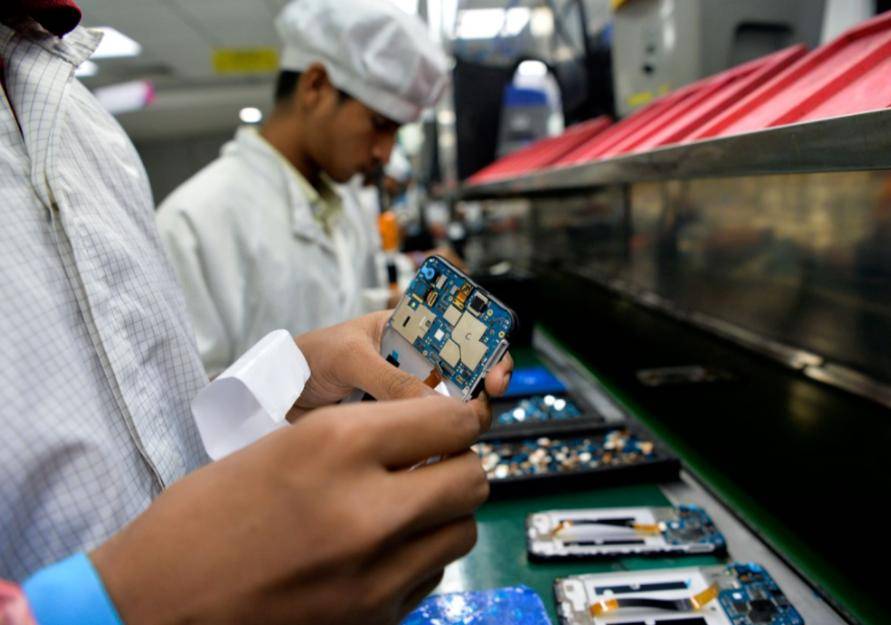
However, here comes the interesting part. Although more and more iPhones are made in India, what India undertakes is actually mainly assembly. Made in India is more like an extension of Made in China.
Even the Indian media themselves have ridiculed Apple’s Made in India: The so-called Made in India iPhone is actually just the last twist of the screws, nothing more, and most of the components come from China.
In fact, this is indeed the case. Most of the components, such as display modules, structural parts, camera components, etc., are shipped from China. The Indian side is actually the final assembly. For the entire iPhone manufacturing process, parts supply, engineering management, and upstream and downstream supporting facilities are all dominated by China.
India was just the last assembler, finally taking over the job of tightening the screws.
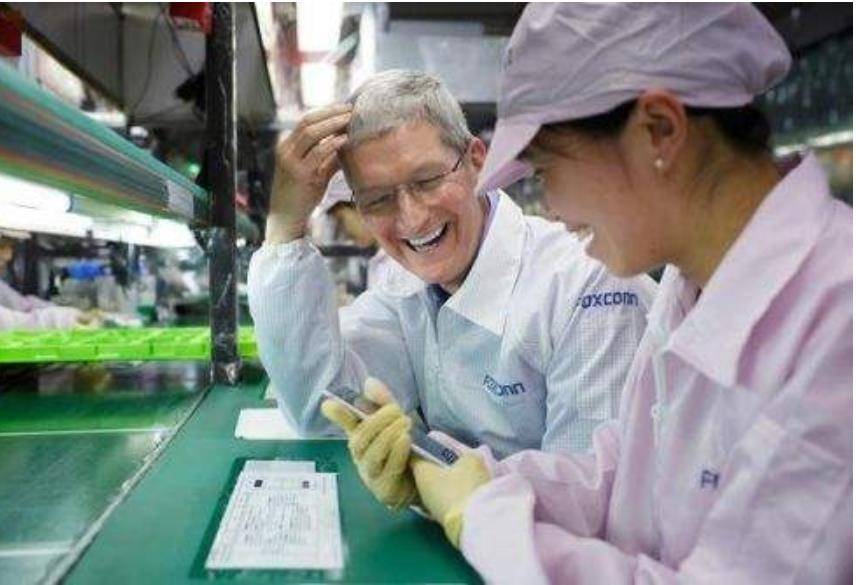
But don’t underestimate this division of labor, it is also very meaningful to Apple. Although it only gave the last job of tightening screws to India, on the surface, everyone thought that Apple had transferred part of its production capacity to India, so that it would not have to bear the huge pressure from the US government, and it could be regarded as meeting some of the requirements of the United States: it had moved from China, so it would not be so dependent on Chinese manufacturing.
Secondly, Apple also pleases India and can make Indians buy more apples. India is now the third largest mobile phone market in the world and has huge potential. Apple also intends to develop in India. Currently, Apple ranks first in the Indian market in terms of sales. In addition, by doing this, Apple has given itself a way to retreat, defend and attack. Relocating part to India has indeed dispersed supply chain risks to a certain extent.

But everyone still needs to understand that manufacturing in India is more about assembly, while manufacturing in China is real manufacturing, a complete set of industrial chain ecology and capabilities. There is still a difference.
Therefore, seeing an increase in the proportion of products made in India does not necessarily mean that products made in China are being replaced. Behind the numbers is the division of labor: India gets the last step, and China gets the first one. The proportion may continue to change in the future, but the key depends on who controls the core links.
Related Reading
- An AI movie without actors won the Dragon Award first2026-10-06
- Just now, three Nobel Prize-winning scientists used photoproteins to “disassemble” the brain.2026-10-06
- This National Day, the first batch of robot employees have taken up their posts2026-10-06
- 31-year-old Luo Fuli was promoted, and Lei Jun bought her2026-10-06