Cucumbers, peppers, and cherry tomatoes. Nowadays, these vegetables are no longer just grown in fields or vegetable greenhouses. Many young people in the workplace are growing them in the office. “Workplace vegetable planting” is becoming a new trend in the workplace.
In the office area of a company in Beijing, various miniature potted plants are placed on the desks and balconies. If you look carefully, you can see that the employees are not planting all traditional green plants, but also vegetables such as tomatoes, cucumbers, and peppers.
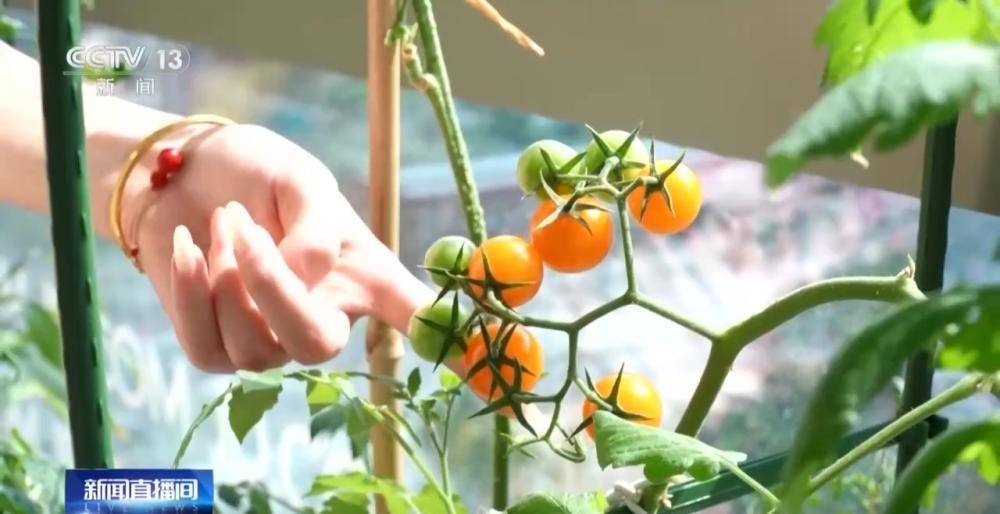
Corporate employee Shen Qi:This is a small tomato that I usually grow at my work station. It is also my “work companion”.
Vegetables need more sunlight to grow, so the windowsill on the sunny side of the office area has almost become the exclusive place for these potted vegetables. Employees also equipped the “vegetable patch” with tools such as soil scarifiers and watering cans.
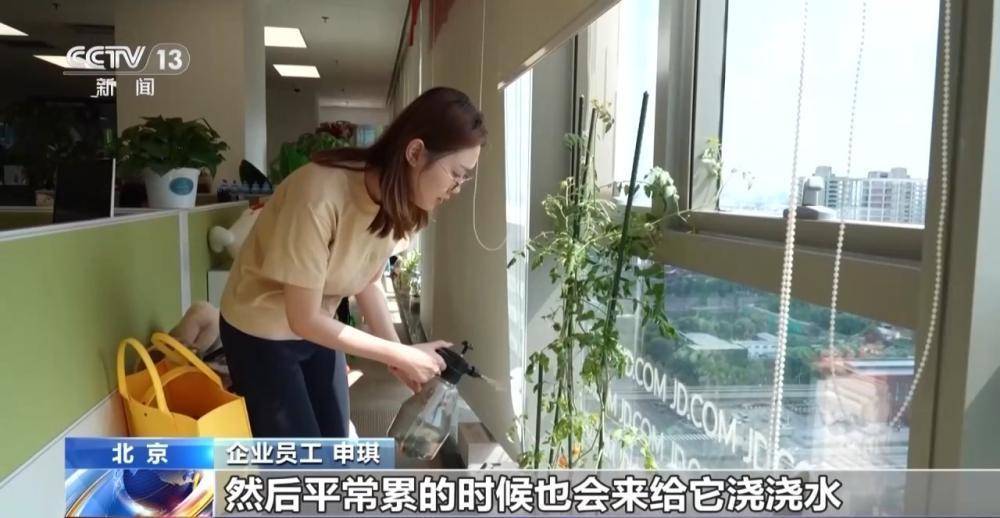
Corporate employee Shen Qi:Seeing it change from green to orange can provide some motivation to go to work, and then I will water it when I am tired.
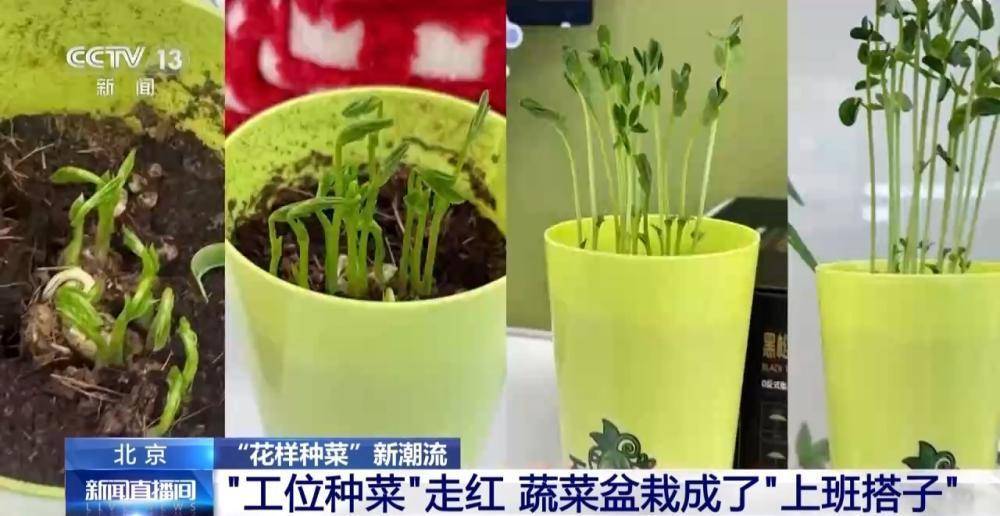
For young professionals, “growing vegetables at workstation” is not only a way to relieve stress and heal, but also a new way of socializing. On major social platforms, netizens have posted their planting results, shared good varieties, recorded the entire crop growth process, and exchanged planting techniques with each other. “Growing vegetables at workstation” is becoming a hot social topic among young people from a personal hobby.
Planting vegetables at workstations stimulates new consumption
Fire seed market
The popularity of “workstation vegetable planting” has also ignited the indoor planting consumer market. Seed companies have also followed the market trend and developed “growing kits” adapted to indoor scenes. A small seed, leveraging a new consumer market.
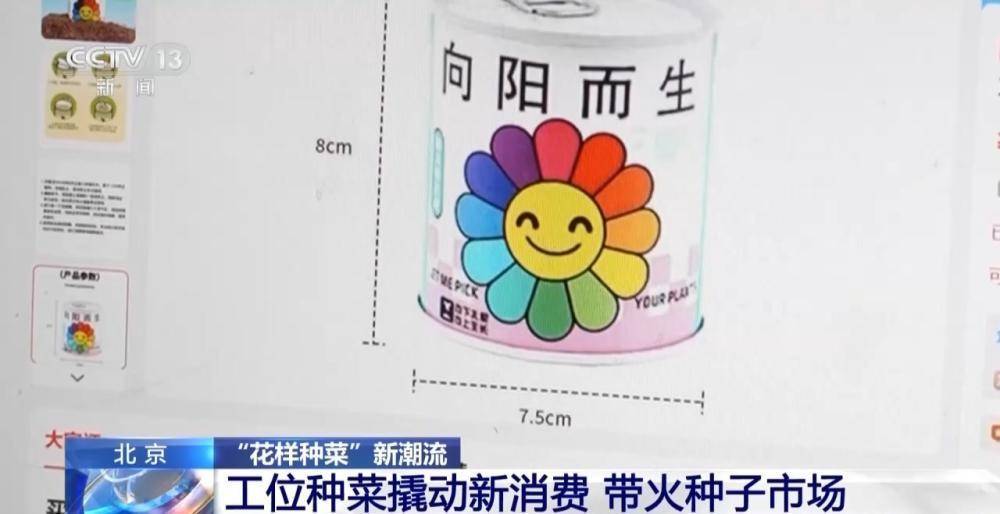
The reporter learned from an e-commerce platform that tomatoes, cucumbers, pumpkins, strawberries and other categories are favored by indoor planting enthusiasts. These varieties are delicious, beautiful, tolerant to low light, easy to maintain, and have a short growth cycle. Since the beginning of this year, the number of users of vegetable seeds and ancillary products on this platform has exceeded one million, and the main consumers have gradually transformed from traditional farmers to young people growing on balconies and workstations in first- and second-tier cities.
Wang Chenshu, a staff member in the agricultural seed category of a supermarket:In the past two years, we have discovered that consumers may be more inclined to purchase some set products. That kind of planting box, like a can, contains nutrient soil, fertilizer, seeds, and some tool products. The sales of some leading merchants have increased by more than 200% year-on-year.
In order to meet the vegetable growing needs of young people in the workplace, the seed industry company has developed a “growing box” specifically for indoor planting. This is a “broccoli sprout planting kit” in hydroponic mode. The kit includes broccoli sprout seeds, sowing paper, absorbent cotton thread and a seeding box. Consumers only need to water them to plant, which greatly simplifies the planting process. The varieties planted are also professionally screened and cultivated.
Zhang Hailong, deputy general manager of a certain industry Co., Ltd.:We will develop based on the demand for balcony vegetables and use advanced technology-assisted breeding to change solanaceous fruits into dwarf varieties and leafy vegetables that grow slowly into faster-growing varieties.
There are many models of shared vegetable gardens
New upgrade of agricultural consumption
In addition to growing vegetables at indoor workstations, many people choose to rent shared vegetable gardens around the city, cultivate and pick them themselves, or entrust bases to manage them. Traditional farming has transformed into a trendy urban experience, and citizens are once again immersed in the fields and close to nature.
Entering September is a critical period for autumn vegetable sowing and vegetable field management and maintenance. In a shared vegetable garden in Laiguangying, Chaoyang District, Beijing, vegetables such as cabbage and bitter melon are growing well. Citizen Tao Na is busy weeding and loosening the soil in the vegetable plot she rents.
Shared vegetable garden tenant Tao Na:Every year, I have to ask my children what they like to eat, and then plant some of their own things according to their wishes. It relieves stress and is quite good.
Tao Na rents a 12-square-meter vegetable plot and can harvest more than 100 kilograms of vegetables throughout the year. If you don’t have time to farm by yourself, the shared vegetable garden also provides a hosting model, arranging dedicated planting management and maintenance. When mature, tenants can come to harvest and enjoy the joy of harvest.
Shi Zihang, the person in charge of a shared vegetable garden:This smart large screen can help us manage the entire vegetable field and see data on light intensity and humidity. For example, if we encounter extreme weather, the above will give us some warnings and we can make some plans.
From growing vegetables at workstations to shared vegetable gardens, urbanites’ “various vegetable gardening” has gradually upgraded from personal hobbies to new consumption formats and urban lifestyles.
Wei Jinkang, Chief of the Industrial Integration Section of the Beijing Agricultural Technology Extension Station:Today’s “various planting” is actually an action aimed at upgrading agricultural consumption. People’s consumption of agriculture has become more diversified and their requirements for it have become higher, which has also stimulated the development of the entire industry.
Related Reading
- ICE officer who shot Venezuelan man in Texas wasn’t wearing a body camera, sources say2026-09-23
- Trump says U.S.-Iran ties are ‘developing’ as Tehran offers path to reopen Hormuz2026-09-23
- Traditional skills + modern creativity, Mid-Autumn Festival cultural creations are popular in the market2026-09-23
- (Aichi2026-09-23
- The water level of China’s largest freshwater lake continues to decline rapidly, breaking multiple decline records2026-09-23