This article is reproduced from [CCTV Finance];
The continued impact of El Niño is casting a shadow over the world’s most important coffee-producing regions. The main coffee-producing areas in southeastern Brazil have recently experienced abnormal rainfall and high temperatures, which have disrupted the coffee flowering and fruit-setting processes. A reporter from the main station visited the coffee growing area in Minas Gerais, Brazil. Local farmers and industry organizations generally warned that Brazilian coffee will face dual pressures in terms of yield and quality during the 2027 harvest season.
Disturbed rainfall + high temperature attack
The growth rhythm of coffee trees is disrupted
On coffee farms in the Brazilian state of Minas Gerais, the effects of abnormal climate are visible to the naked eye. The timing of rainfall is seriously disrupted, causing coffee trees to bloom in multiple rounds and fruit sizes to vary, directly lowering the quality of coffee beans. The continued high temperature and high humidity environment also greatly increases the risk of leaf rust outbreaks. Once the disease spreads, coffee trees may drop leaves or fruits one after another, and the harvest will be further damaged.
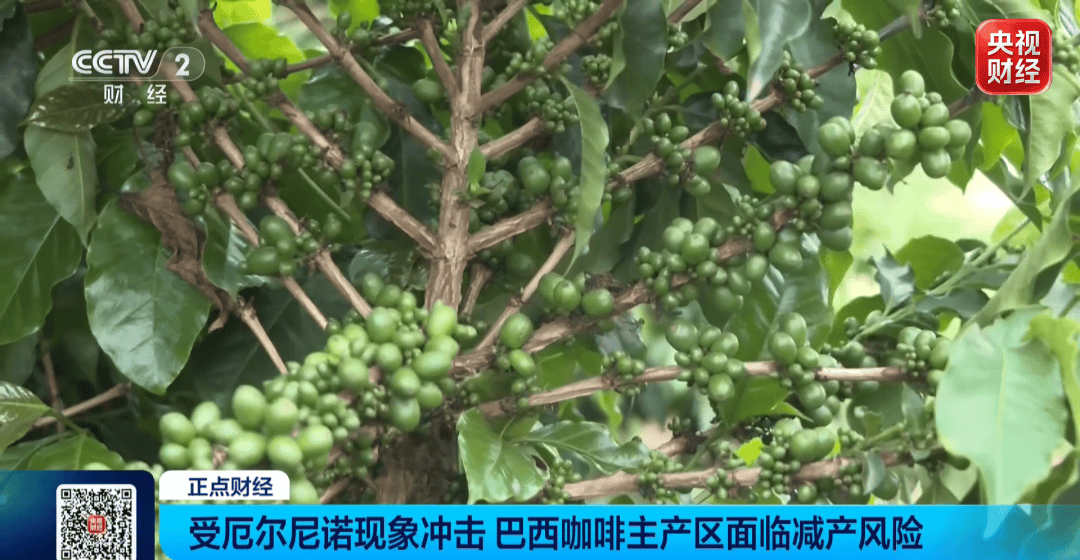
Scattered flowering and rising diseases
Specialty coffee farms under pressure
Local farmer Ettore has been cultivating specialty coffee for more than ten years and operates a 75-hectare coffee farm, of which 45 hectares are equipped with drip irrigation facilities. Even with irrigation blessing, it is difficult to offset the disturbance caused by El Niño.
Before the coffee trees bloom, they need a dry period to accumulate nutrients. However, since September this year, there has been too much rain, causing the flowering period to be scattered and fruit setting to be difficult. In November, the temperature continues to be high again, and new risks are coming one after another.
“As soon as the disease appears, the yield will drop. Coffee relies on leaves to transport nutrients to the young fruits. After the leaves fall off, it is difficult to be optimistic about the harvest.” Ettore’s concern is also a problem shared by many local coffee farmers.
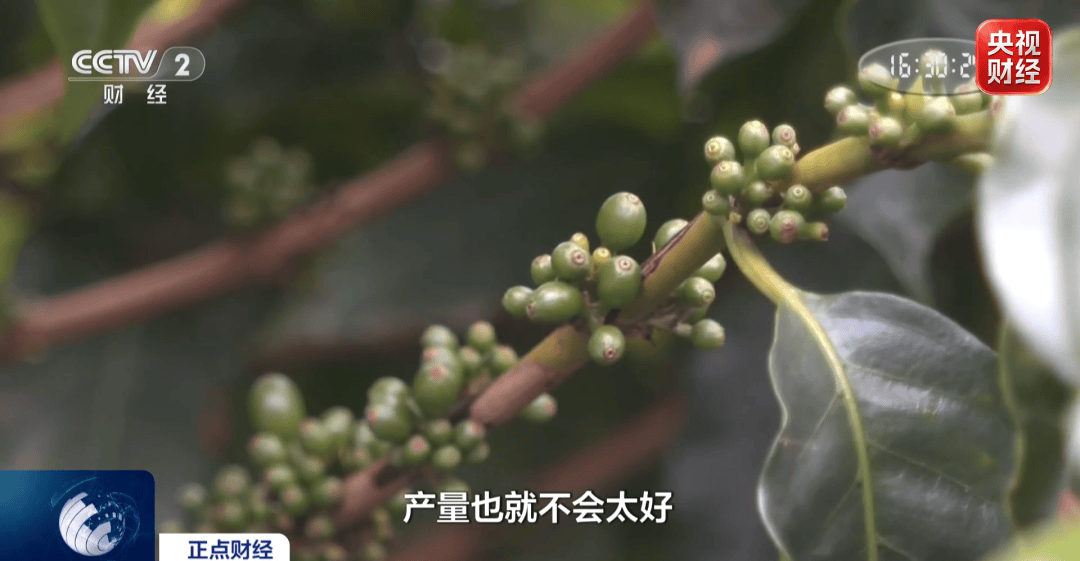
“大小年“Overlay extreme weather
Industry warning of production cut risks
Minas Gerais is the core production area of Arabica coffee in Brazil. It has just ushered in a bumper harvest in the first half of 2026. However, coffee’s natural “big and small year” cycle, coupled with the extreme weather impact of this round of El Niño, has suddenly replaced the joy of harvest with anxiety, and the industry-wide expectations for production cuts in the next season continue to rise.
Young fruits are highly sensitive during grain filling period
The annual output trend remains to be seen
Bernardo, CEO of the local coffee cooperative, said that the market has been alerted in advance, and the production forecast for the 2027 production season has been continuously lowered, and the overall harvest across the country is predicted to be low. Pavel, chairman of the Brazilian Coffee Industry Association, added that we are now in a critical stage of the filling and expansion of young coffee berries. This period directly determines the output of the new production season. The crop is extremely sensitive to climate change, and the industry is keeping a close eye on growth changes throughout the process.
Related Reading
- Being “black” for no reason, living a life of being watched, Brother Dayi and his “traffic past”2026-11-13
- Türkiye’s “Mediterranean COP”: When the climate crisis approaches “heaven on earth”2026-11-13
- Latest research: Obesity diagnosis cannot be based solely on weight, BMI has natural flaws2026-11-13
- Why is it difficult to break the deadlock in the tripartite talks between Russia, the United States and Ukraine?2026-11-13
- The first in the country! How to learn “unpopular secret skills”? Who will teach? Dean’s interpretation2026-11-12