Starting from November 1, four new regulations closely related to children’s health will be officially implemented – classroom lighting has become more sophisticated, and eye protection standards have been upgraded from “seeing clearly” to “seeing healthily”; sports training has rules, and teachers, venues, number of people, and safety must abide by the bottom line; children’s products have the first mandatory national standard for all categories, and the universal safety bottom line plugs loopholes; four strong standards for toy safety have been upgraded, and chemical controls such as crystal mud and kneading music have become more precise.
The implementation of the new regulations will further establish the bottom line of safety for children’s growth and make child-friendliness benefit more children.
“Daylighting and Lighting in Primary and Secondary School Classrooms”Hygienic Standards
In recent years, the problem of myopia in children and adolescents has become increasingly prominent, and is showing a trend of becoming younger. mandatory national standards“Classroom Daylighting and Lighting Hygiene Standards for Primary and Secondary Schools” clarifies hard indicators such as classroom lighting uniformity, blue light, and strobing.Create a bright, comfortable and safe learning light environment for students and protect their children’s “light” future.
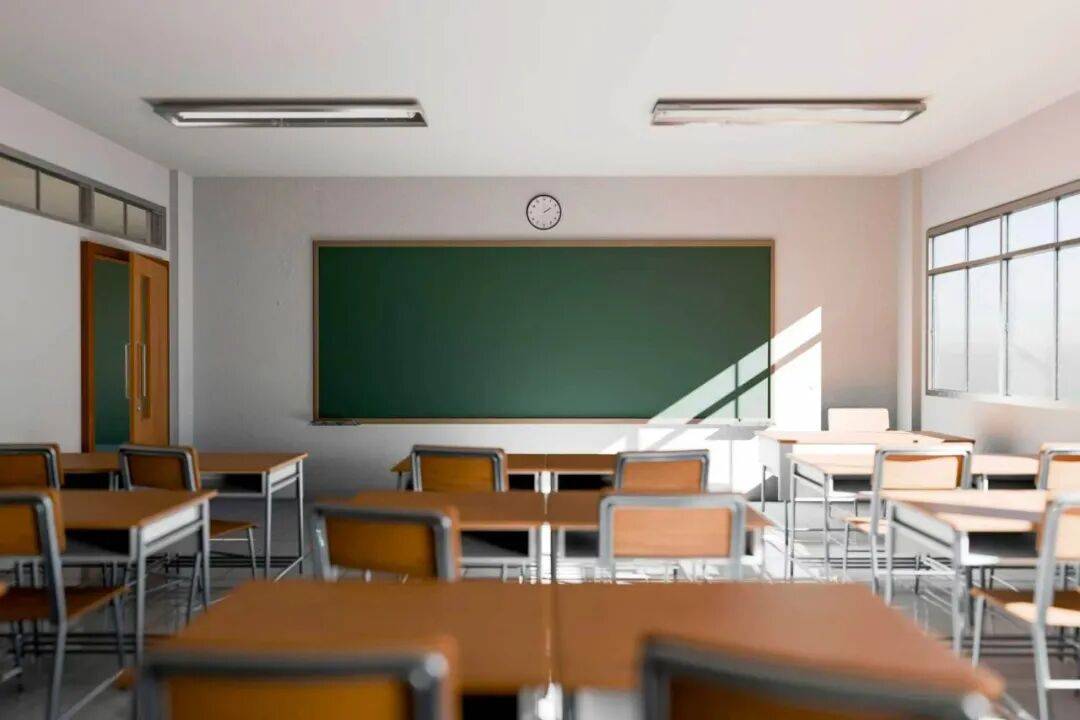
Applicable places:Classrooms, laboratories, art classrooms and other teaching rooms in ordinary primary and secondary schools and secondary vocational schools are within the scope, and off-campus training institutions for primary and secondary students can be used as a reference.
-
New requirements for natural lighting
The new standard puts forward detailed requirements for natural light in classrooms:
-
Single side lighting classroom:The light should enter from the left side of the student’s seat to reduce the shadow of the hand from blocking the book when writing.
-
Double-sided lighting classroom:Priority is given to the left side of student seats as the main lighting surface.
-
South Verandah North Classroom:The north-facing window is the main lighting surface.
-
對Classroom window-to-ground area ratio (newly built), lighting coefficient, glass color transmittance indexSet uniform requirements.
-
Classroom walls and ceilingsGive priority to white or light-colored materials to make indoor light more uniform and soft, and reduce visual interference caused by reflection and glare.
-
Comprehensive upgrade of artificial lighting
The new version of the standard not only meets basic lighting needs, but also pays more attention to the comfort, stability and safety of lighting.
-
Brightness is more balanced: The desktop must maintain an average illumination of not less than 300lx, and the illumination uniformity must not be less than 0.7; the writing board must maintain an average illumination of not less than 500lx, and an illumination uniformity of not less than 0.8. In layman’s terms, it requires that the overall brightness in the classroom be as balanced as possible, narrow the gap between light and dark in the front and rear rows, and reduce the burden on children’s eyes caused by long-term reading and writing.
-
Colors are more realistic: The color temperature and color rendering performance of classroom lighting fixtures must meet the requirements of the new standard. The lighting should be moderately warm and cool, and the color reproduction should be accurate. There will be no yellowish or bluish distortion, and the original colors of books and teaching aids can be truly restored.
-
Blu-ray security upgrade(Core Highlights): The blue light hazard group of general lighting fixtures in classrooms needs to reach the RG0 exemption level. Under normal use conditions, it can reduce the potential impact on the eyes caused by the blue light of the light source and adapt to the eye environment of students who study for a long time in class.
-
Light is more stable: Strictly control light flicker fluctuations, eliminate light flicker problems that are not easily noticeable to the naked eye, and relieve eye soreness and visual fatigue caused by students sitting for long periods of time.
In addition, the new version of the standards clarifies that schools need to conduct regular inspections, cleaning and maintenance of classroom lighting equipment, and promptly replace aging and damaged lamps to avoid substandard lighting due to equipment loss. Through standardized and normalized management methods, we continue to ensure that the lighting environment of campus teaching rooms is stable and qualified, and protect the visual health of young people in an all-round way.
“Code of Conduct for Youth Sports Training”
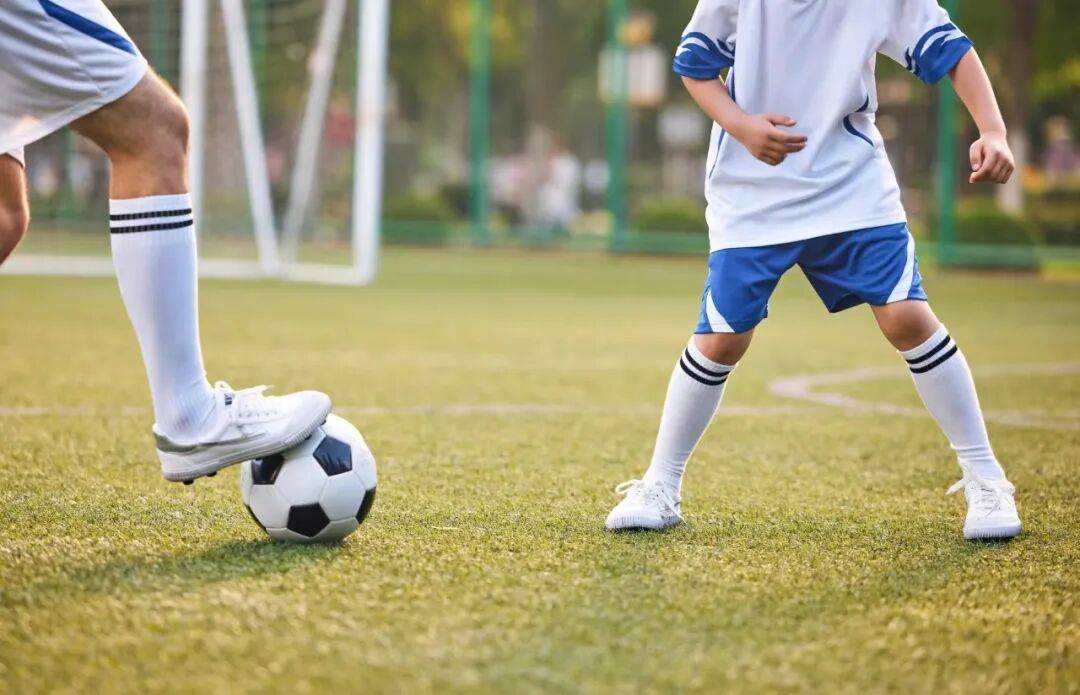
The youth sports training market is expanding rapidly, and it is time for standardized development.“Code of Conduct for Youth Sports Training”Based on the “double reduction” work deployment, deepen the integration of sports and education,Build a full-chain supervision system, to promote the standardization and quality improvement of the youth sports training industry.Let children exercise happily in a standardized and safe environment and gain health, confidence and happiness.
-
Venue and facility requirements
The per capita training area per shift for chess and card games is ≥3㎡; for other sports, the per capita training area is ≥5㎡. Indoor training venues should be regularly ventilated to keep the indoor air fresh and odor-free. After primary and secondary schools complete their teaching plans, they can open sports venues in accordance with regulations and select compliant institutions to provide youth sports training services.
-
Course and class matching requirements
The curriculum must match the age, physical condition, physical and mental development patterns and athletic abilities of the participating children, establish a scientific and complete curriculum system and content, and implement sports injury prevention measures.
-
Rigid standards for class size: Ordinary shifts shall not exceed 35 people per shift; training for more than 10 students shall be equipped with at least 2 instructors.
-
high-risk sports: Each shift shall not exceed 20 people, and shall be equipped with at least one rescuer who has passed the training and assessment and holds a first aid certificate.
-
Primary and secondary schools can introduce outside professionals to supplement their teaching staff through procurement services and other methods.
-
Mandatory regulations for practitioners (coaches)
Coaches should hold at least one of the following certificates:
-
Sports coach professional title certificate
-
Social Sports Instructor Technical Level Certificate
-
Sports skill level certificate issued by the National Individual Sports Association
-
Sports vocational skill level certificate issued by a talent evaluation agency recognized by the Ministry of Human Resources and Social Security
-
Teacher qualification certificate
-
Other relevant certificates stipulated in laws and regulations applicable to youth sports training
The following personnel are strictly prohibited from employment:
-
Persons with criminal records such as sexual assault and injury
-
Persons who are in the period of industry closure
-
In-service teachers in primary and secondary schools and kindergartens
-
Charges and contract management
Charging standards must be publicly announced in a conspicuous location of the institution, and there are strict regulations on advance fees.
-
Fees that span more than 3 months or 60 class hours may not be charged in one go or in disguised forms such as recharge or secondary cards, and the amount charged shall not exceed 5,000 yuan.
-
The “Off-campus Training Service Contract for Primary and Secondary School Students (Model Text)” must be used, and course refunds shall be handled strictly in accordance with the contract and relevant legal regulations.
-
Institutions responsible for training reserve talents in competitive sports can sign long-term entrusted training agreements for voluntary long-term training and targeted training students. The agreement needs to be reported to the local sports administrative department for filing.
-
Admissions publicity should seek truth from facts and avoid false publicity. It is strictly prohibited to suggest, instigate or help training participants to obtain and use stimulants in any form;
-
Chain-operated youth sports training institutions should strictly implement relevant regulations on advance fee management.
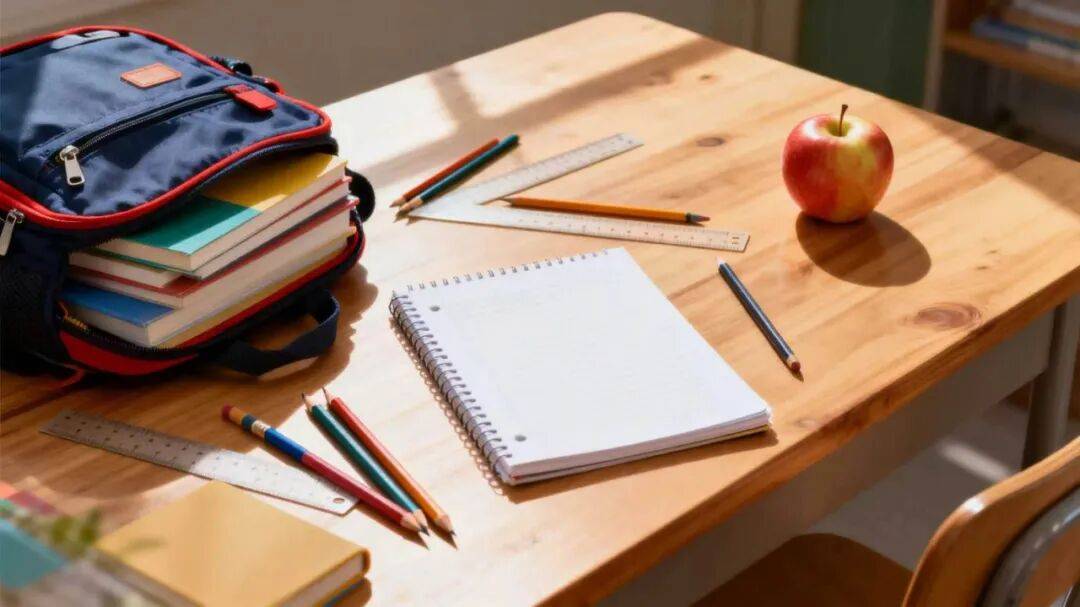
“General Safety Requirements for Children’s Products”
-
Applicable product categories
This standard covers products used, played, worn, etc. by children under 14 years old, and gifts and trial packs are also included.
This standard does not apply to children’s medicines, cosmetics, food, amusement facilities, sports facilities, teaching equipment, medical equipment, and fireworks.
-
structural safety requirements
-
The standard requires that products for children under 3 years old are not allowed to have dangerous sharp edges or sharp points that can be touched;
-
If products for children aged 3-8 years old must have a tip (such as a pencil tip) because of their function, they must be accompanied by clear warnings;
-
Small holes and gaps on the product must be prevented from pinching hands and fingers;
-
Removable small parts cannot fall off easily to prevent children from swallowing and choking;
-
The length of supporting ropes and straps must be strictly limited to prevent them from wrapping around the child’s neck and suffocating or strangulating them.
-
Material safety requirements
-
The standards set strict limits for seven major categories of harmful chemical substances, including removable heavy metals, plasticizers, and formaldehyde.
-
Children’s products with pungent and unpleasant odors are prohibited from being sold on the market.
“Toy Safety”
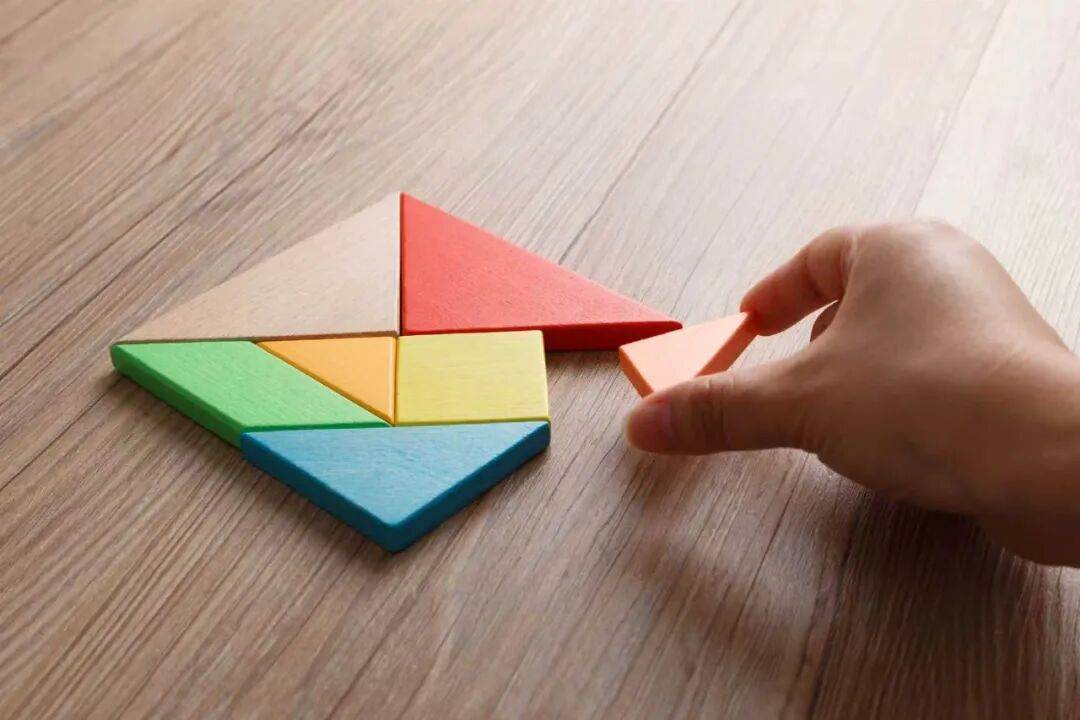
In recent years, my country’s toy industry has continued to expand in scale and product types have become increasingly rich.But at the same time, the emergence of some inferior toys that do not meet standards and have great hidden dangers in product quality has also brought negative impacts.In response to this situation, the Ministry of Industry and Information Technology took the lead in revising and improving the four mandatory national standards GB 6675.1 to GB 6675.4 “Toy Safety”, and issued them with the approval of the State Administration for Market Regulation (National Standards Administration) to further regulate the development of the toy industry.
-
Changes in key technical indicators
-
在Prevent health damageIn terms of safety, the limit requirements for 10 types of harmful substances such as formaldehyde, total volatile organic compounds, short-chain chlorinated paraffins, and boron elements have been added, greatly increasing the coverage of chemical harmful substances in toy products, and solving problems such as putting children in their mouths, contaminating their arms, and harming their bodies.
-
在Machinery physical safetyIn terms of aspects, the technical requirements for new products such as open flame device toys and food-shaped toys have been added, the specific requirements for subdivided products such as yo-yos, inflatable toys, and suction cup projectiles in the original standards have been optimized, and the applicability of the standard technical requirements to the physical safety of toy products has been strengthened.
-
在防火安全In terms of performance, the technical requirements for the flame retardant performance of head-worn toys such as masks have been added, and the flame retardant performance testing methods for three categories of products, including toys, costumes, toy tents and other toys for children to enter, and soft stuffed toys, have been added to effectively ensure the fire safety of toy products.
-
Limit requirements for hazardous substances
In view of the quality and safety issues of “Internet celebrity” toys such as “Pinch Fun” and “Crystal Mud” that have attracted high social attention, this mandatory national standard revision also optimizes and improves the limit requirements for harmful substances in related products.
-
甲醛限量In terms of safety, it is stipulated that the formaldehyde limit value of key materials in toy products for infants and children under 36 months of age should be less than or equal to 30 mg/kg;
-
total volatile organic compounds限量In terms of aspects, for the first time in the world, the limit value index of the total volatile organic compound release amount of toy products is proposed. The limit value should be less than or equal to 0.5 mg/cubic meter, filling the gap in domestic and foreign toy standards in this aspect;
-
增塑劑限量In terms of aspects, the limited types of phthalate plasticizers will be increased from the original 6 types to 10 types to strictly prevent the harm of plasticizers to children;
-
Boron element limitOn the other hand, it is stipulated that the limit value of boron element in “crystal clay” and similar toys should be less than or equal to 300 mg/kg.
Protect children’s growth
It’s a question that needs to be answered by many parties.
New regulations have been implemented
Working together, walking side by side
Let childhood bloom with happy flowers
According to “Capital Education”
“Flowers” trilogy
Now on sale
Three seasons of co-production·Three stage styles·Complete story of “Flowers”
See enough at one time
Related Reading
- Archives show Kherson region expected to carry out humanitarian operations once a month2026-10-29
- The Fed remains on hold as scheduled, and Warsh announces a reduction in the number of interest rate decisions starting next year2026-10-29
- Spanish high-speed train collision kills 68, prompts three days of national mourning2026-10-29
- Four investigations Democrats could launch if they win control of Congress2026-10-29
- Democrats have a big early voting lead, but another trend may matter more2026-10-29