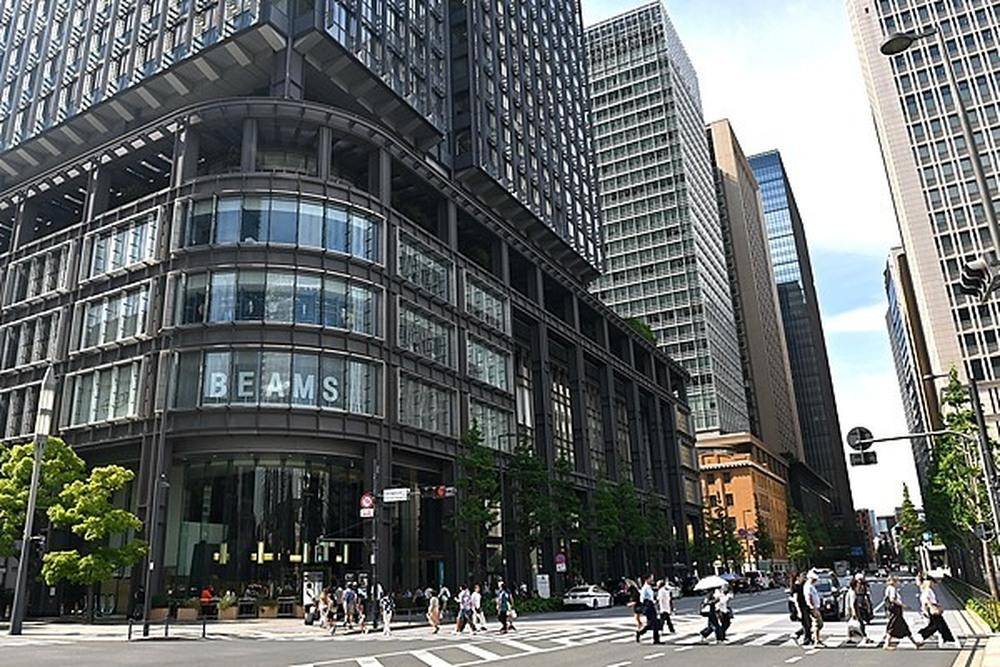
△Tokyo, Japan (data map)
The Japanese government approved a decree on the 27th, setting out various conditions that need to be met for administrative districts outside the capital Tokyo to become designated “sub-capitals”. The so-called “deputy capital” can assume part of the capital’s functions when Tokyo suffers major disasters such as a major earthquake, and can also solve the problem of over-centralization of Tokyo’s capital functions.
According to the decree approved by the Japanese Cabinet Meeting on the 27th, each prefecture that wants to become a designated “sub-capital” must meet a number of conditions, including that its economic scale accounts for more than 2.1% of Japan’s gross domestic product (GDP), at least one city within its jurisdiction has a population that accounts for more than 1.2% of the country’s population, and its geographical location can avoid the impact of serious disasters such as the Tokyo Earthquake or the eruption of Mount Fuji. In addition, the administrative system must be restructured in accordance with regulations.
According to the published standards, Hokkaido, Aichi Prefecture, Osaka Prefecture, and Fukuoka Prefecture may all be eligible to become designated “vice capitals”, and all four places plan to strive to obtain this qualification. Japan’s Chief Cabinet Secretary Minoru Kihara said at a press conference on the 27th that if these four places apply and meet the conditions, all four places will be designated as “deputy capitals.”
Related Reading
- AI discovers serious vulnerabilities and many government websites were shut down urgently2026-10-28
- It is 4,000 years old and has met Lu Yingong, Liu Xie, Guo Moruo… and also me.2026-10-28
- National standards for accompanying patients will be implemented and service providers will be limited to institutions2026-10-28
- Russia and Ukraine have a regional ceasefire in the Kherson region, but fighting has not stopped in many other places2026-10-28
- A wild winter is brewing. Here’s what meteorologists want you to know.2026-10-28