Dazhong.com reporter Gao Yang reported from Jining
The sound of the bells of the Confucius Temple is still as clear as ever after thousands of years, as if coming from the depths of the Spring and Autumn Period, greeting the land where the most holy teacher was born. Jining, Shandong Province, is the place where Confucius and Mencius lectured. “Benevolence, justice, etiquette, wisdom and trust” began from then on, nourishing China and spreading far and wide throughout the world.
From the Queli streets in Qufu to the thousands of lights on the canal, from the moon in Nishan to the tide in the Dongjiang River, this cultural context has been running for more than two thousand years and has never been cut off.
The 2026 China International Confucius Cultural Festival kicked off in Qufu, Jining. About 300 participants from 44 countries and regions gathered here.
What we see is not only the grand occasion of a festival, but also a long journey of cultural context flowing from the source in the East to the world.
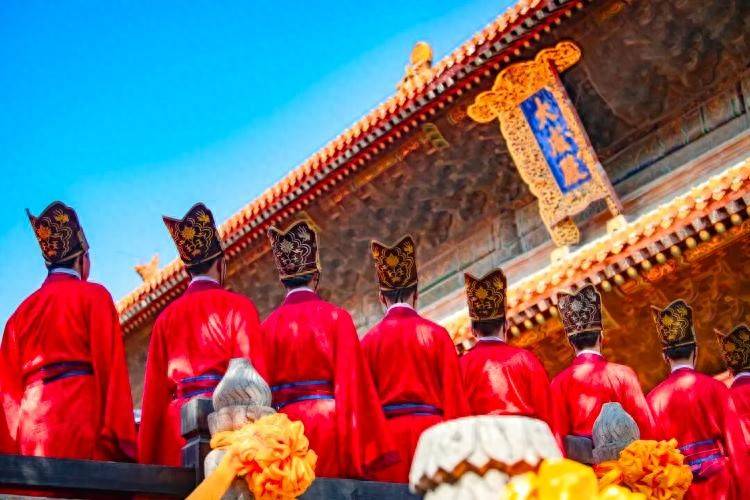
How did Confucianism start from the hometown of Confucius and Mencius and reach different corners of the world? The answer is hidden in the recitation of classics, in the footsteps of walking, and in every conversation across civilizations.
Renli passes on the legacy across mountains and seas
The spread of culture is, first of all, the re-arrival of classics.
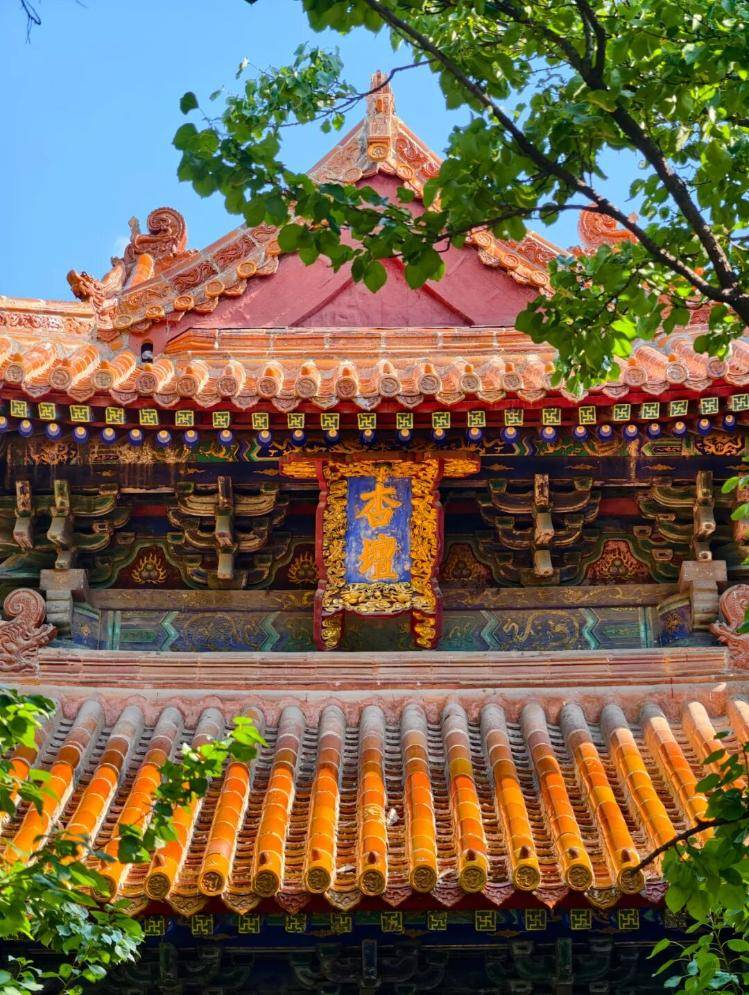
At the opening ceremony of the Confucius Cultural Festival, the 21st “UNESCO Confucius Education Prize” award ceremony was held. Since its establishment in 2005, this award has recognized institutions and individuals from dozens of countries and regions around the world who have made outstanding contributions in the fields of literacy and education for all.
Confucius proposed “education without distinction” more than 2,000 years ago. Now this concept has been transformed into a real global education action, starting from Qufu and reaching those corners that most need the light of education.
The ceremony for worshiping Confucius followed the traditional rituals and regulations, retaining the opening of the city, the opening of temples and households, the announcement of sacrifices with music and dance, and the reading of memorial texts. At the same time, it linked up with more than 100 Confucian temples, academies, and Confucian institutions at home and abroad to carry out “cloud worship of Confucius”, allowing the thousand-year-old cultural heritage to come alive and spread in the digital age.
From Qufu to the world, from offline to the cloud, the sound of this grand ceremony has spread all over the world, and the culture of ritual and music has gained new appeal in the contemporary era.
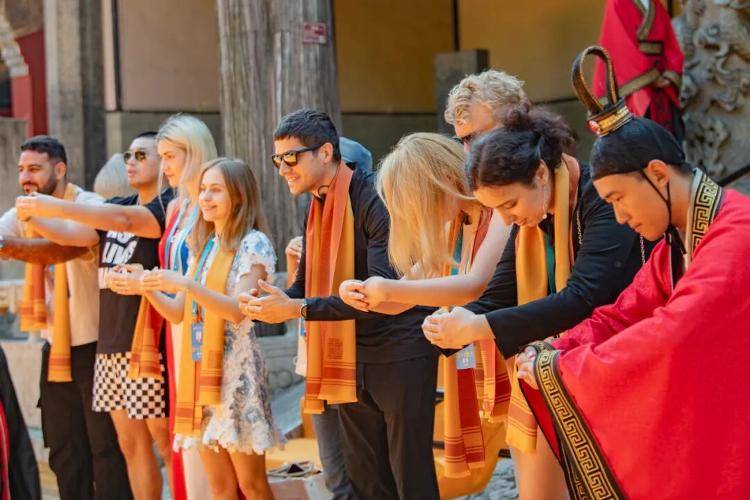
Wherever cultural context leads, mountains and seas are not far away.
Jining and Deyang, one is the hometown of Confucius and Mencius, the other is the source of ancient Shu. The two cities are thousands of miles apart, and each protects the cultural context that continues to this day. Deyang Confucian Temple was built in the Southern Song Dynasty. It is a well-preserved, large-scale Confucian temple with strong local characteristics in western my country. It is known as “Deyang Confucian Temple Jia Xichuan”. The practice base of the Institute of Chinese Culture at Sichuan University has settled in Deyang Confucian Temple this year. Deyang Confucian Temple has thus transformed from a physical space visited by tourists to an active site for classic interpretation and academic inheritance.
The spread of culture is not limited to one area or one area, but also lies in dialogue and resonance across languages.
The “Analects of Confucius” translation and introduction project in the “Belt and Road” countries has edited and published Chinese and foreign versions of “The Analects of Confucius” in 14 languages, including English, Russian, and Arabic. The Fifth Cross-Language Recitation Conference of Confucian Classics brought together more than 60,000 Chinese culture enthusiasts from more than 60 countries, including China, Russia, and Germany, to use 14 groups of bilingual recitations of classics.
When the Analects of Confucius is read by young people with different skin colors and different languages, Confucius is no longer just Confucius of China, but becomes a common spiritual resource for the world.
The sentence “Do not do to others what you do not want others to do to you” has the same echo in the tones of different languages; the Analects of Confucius has reached hundreds of millions of hearts in the translation of fourteen languages.
Classics have never been confined to one place. They start from Jining and take root in every land that cherishes them.
Confucianism transforms and nourishes thousands of families
The most profound power of cultural communication lies in whether it can enter daily life and turn into the breath of fireworks that is used daily without being noticed.
“Confucius’ Hometown, Hospitality Shandong” follows the Confucius Study Tour inbound travel sales promotion campaign, transforming Confucius’ spirit of traveling around the world into an international study brand, allowing overseas tourists to experience the context of Confucian thought while walking, and realize the transformation from “knowing Confucius” to “understanding Chinese culture.”
Jining focuses on the two core IPs of Confucius and Canal, carefully creates 18 characteristic study routes, and uses AI and AR technologies to launch more than 60 new digital cultural tourism scenarios such as “Millennium Lake Light” and “Confucius Code”. “Canal No. 1” launched the first batch of 8 route products, covering Nanyang Ancient Town, Weishan Island, Dongping Lake and other areas, transforming the cultural context that has flowed for thousands of years into an experienceable journey.
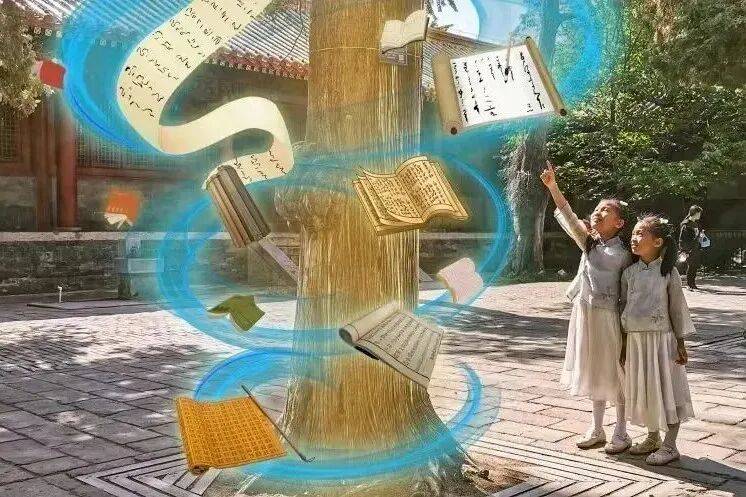
The “Golden Sound and Jade Vibration” exchange exhibition of ethnic instrumental music in cities along the Grand Canal invited 13 outstanding folk music teams to gather in Jining and conduct pop-up tours in Qufu Ming Ancient City, Nishan Holy Land and other places, allowing folk music to go out of the theater and get closer to the masses. The Confucius Cultural Temple Fair “Educated and Benefiting Ten Thousands of Families” was held at Wuma Temple Street in Qufu’s ancient city of Ming Dynasty. Confucian-style markets, folk custom performances, and a lion dance and stilt parade were staged simultaneously.
When children listen to a piece of folk music and learn a line from “The Analects” at a temple fair, and when young people experience the thousand-year prosperity of the “Canal City” in the sound of oars and lights in the “Canal Memory” neighborhood, Confucianism is no longer a distant history, but a tangible way of life.
The Confucianism that nourishes thousands of families is not a solo effort in one city or one place, but a chorus that resonates with the same “tide” thousands of miles away and resonates in many places. Huizhou uses Dongpo culture as the hub to promote the integration of Confucian cultural and educational traditions with Lingnan customs, and creates cultural and educational activities such as the “Confucius Respecting Society” and the “Shou Su Society”, allowing the academic space of Guishan Academy, which was the inheritance site of Confucian culture in the Ming and Qing Dynasties, to be reintegrated into In contemporary public cultural life, we are deeply involved in the “Dongpo+” industrial chain, using AR technology to restore the scene of Su Dongpo eating lychees, from dolls to blind boxes of cultural relics, transforming the literati’s character into portable urban memories, making the thousand-year-old charm shine with the charm of the national trend.
Following the water to the east, Confucianism also echoed in Fujian. The Confucianism in Fuzhou is a new bloom after the Central Plains culture moved southward. The Wei and Jin dynasties traveled south, and orthodox Confucianism took root in Fujian, blending and coexisting with the Fujian and Yue cultures. “Three lanes and seven alleys constitute half of China’s modern history.” Lin Zexu, Yan Fu, Lin Juemin and other sages came out of this place and turned the Confucian ideal of “cultivating oneself, harmonizing the family, governing the country and the world” into a dedicated practice of saving the nation from extinction. Based on the landscape of mountains and seas, Fuzhou integrates the Confucian core of self-cultivation and morality in the Central Plains with the diverse heritage of Houguan culture and Maritime Silk Road culture. From a trendy, diverse and international perspective, the Confucian style spreads far and wide along the Maritime Silk Road.
Confucianism is never a one-way indoctrination, but is re-perceived and re-loved in different cities and different daily lives.
When rituals and music leave the classics, and when the classics merge into fireworks, the Confucian style truly transcends the mountains and seas and falls into the lights of thousands of families.
Harmony and symbiosis connect the world
Really viable cultural communication ultimately points to mutual understanding and common growth among civilizations.
With the theme of “Civilization, Order, and Justice”, the 2026 Nishan World Civilization Forum advocates inclusive coexistence and mutual learning among various civilizations, and gathers domestic and foreign experts and scholars to come to Nishan to “discuss the Tao.”
“Benevolence and courtesy make the world harmonious and harmonious”, “benevolence” is the core, “propriety” is the norm, “harmony” is the realm, “he” is the path, and together, it points to “great harmony”. The issues of order, tolerance, and symbiosis that these eight words respond to still have universal significance in today’s world.
Focusing on deepening exchanges and mutual learning among civilizations, Nishan World Confucianism Center and the China Confucius Foundation have established five overseas branch centers and launched the “Qilu Visiting and Research Residency Program”. Nearly 40 well-known overseas scholars have come to Shandong to study and research, and have established more than 40 Confucius Schools in 20 overseas countries, opening a window for different countries to know and understand China.
Overseas young sinologists went to Qufu to participate in the “Young Sinologist Training Program” training class, and deepened their understanding of Chinese civilization during Confucian ideological and cultural forums and field visits to cultural relics. The young Italian sinologist met face to face with the representative inheritor of the intangible cultural heritage of Confucian cuisine and read about the “living” Confucian culture with a delicious meal.
Jining takes sister city Bao Lian as the entry point to create a “cloud visit” IP, build a normalized online communication mechanism, and transform the cultural soft power of the “hometown of Confucius and Mencius” into a hard support for cooperative development.
From “going out” to “integrating in,” from the canal to the sea, from Qufu to overseas, Confucius’ cultural heritage flows and grows all the way. The channels for dialogue between civilizations are constantly broadening. China’s excellent traditional culture is being integrated into the garden of world civilizations in various forms.
This is the meaning of mutual learning among civilizations: it is not about one party telling the other, but about each other seeing themselves in each other and finding common ground in differences.
The moonlight of Nishan once illuminated the figure of Confucius, and now it also reflects the guests and friends from all over the world.
Starting from the hometown of Confucius and Mencius, Confucianism has traveled a long road of more than two thousand years, passing through the temples of Qufu, the docks of the canal, the streets of the temple fair, the waterfront of Huizhou, the ancient houses of Fuzhou, the Confucian Temple of Deyang, and the forum of the world.
Starting from Confucius and arriving at Chinese culture, this is a road that has been traveled for more than two thousand years, and it is also a road leading to the future.
When “The Tide Rising in the East” is no longer just a description of geographical location, but a vivid footnote of cultural confidence, “Confucianism spreads across mountains and seas” from vision to reality.
Related Reading
- 4929.17 meters, “Dream” reorganizes my country’s deep-sea drilling record2026-09-29
- Double warning issued! There will be thunderstorms and strong winds above level 10 in these places, which will mainly affect the period2026-09-29
- My railway scenery: the train is speeding, heading for reunion2026-09-29
- Trump announces plans for largest steel plant in U.S. history to be built in Iowa2026-09-29
- Daily watch2026-09-29