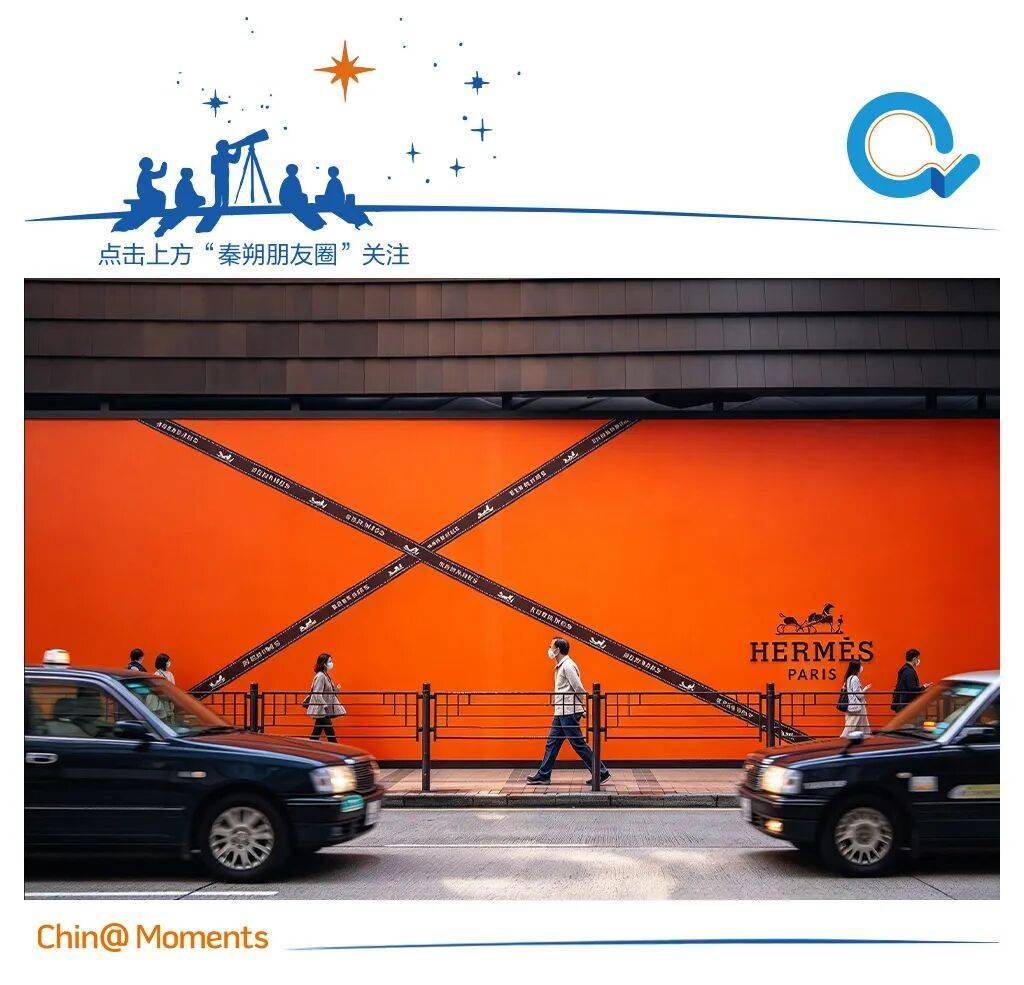
2020初,在巴黎旅居, passing by Hermès on Fubao Street one day, the gentleman said“Buy you a bag.” He does it himself攻略, and figured out the online lottery system for leather goods reservations.——Every day I get stuck and click into the page, fill in my passport, fill in my intention to apply to the store, and submit it over and over again, just to win the qualification to enter the store.
結果連續小半個月,每次All I received were emails indicating failed reservations.I told him to forget it. Even if he got the chance, he still had to go through various so-called distribution routines with the store clerk to buy the bag. The husband shook his head and sighed, saying:“When you women buy a Hermès, you are simply being tortured and engaged in a spy war. You spend money to feel angry.”
到了During the Spring Festival of 2023, in order to buy it for an elder新年Gifts, we return是Outside the Hermès door of Guojin乖乖排了隊。
到了今年,好幾次路過幾家愛馬仕門店,Found every time門可羅雀;而家附近至少已經有Three second-hand luxury brick-and-mortar stores closed了。
Of course, the fate of a few stores cannot represent an industry.Personal experience cannot fully explain industry data.
但今年愛馬仕Revenue announcement for the first three quarters of 2026 announced on October 22,But it has firmly caused shock in the luxury goods industry. Can’t help but give inPeople re-examine this companyand even the entire luxury goods industry的增長。“Hermès also終於賣不動了嗎?”這樣questions followedBecame a hot word on the Internet, is the myth of the king of luxury goods growing against the trend really about to be shattered?
To be precise,Against the background of peers turning negative one after another, Hermès’s third quarterly report is not the end of the growth story, but the end of the era of super growth.
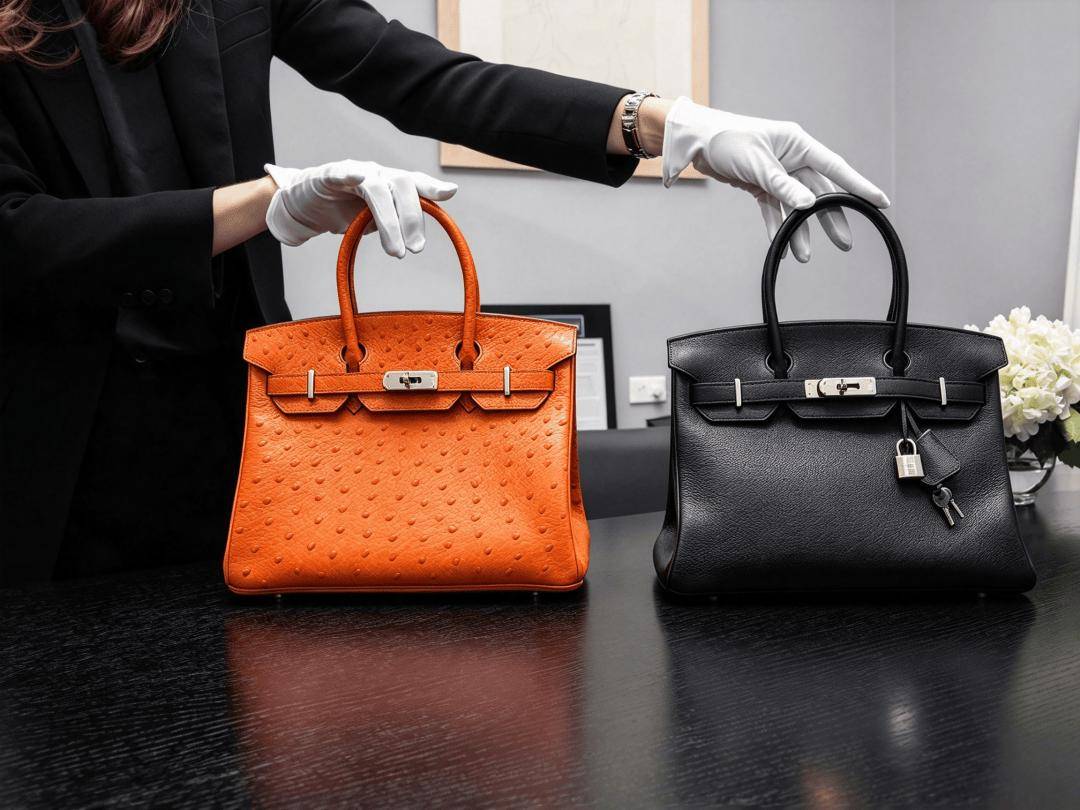
Growing numbers and cooling sensations
1. Hermès is not out of stock yet, but“永遠增長”The myth has begun to become unsaleable.
The financial report shows that the group’s revenue is12.260 billion euros, a year-on-year increase of 5.5% at constant exchange rates and an increase of 2.9% at current exchange rates; in the third quarter, they increased by 4.3% and 5.5% respectively. The Asia-Pacific region outside Japan grew by 1.6% at constant exchange rates in the first three quarters, and the company said that Greater China performed stably during the same period. The regional caliber here cannot be directly converted into sales in mainland China.
However, based on the accumulated data, recent pressure has already emerged. According to foreign mediaAccording to reports on October 22, the financial director of Hermès said that the Chinese market“非常困難”; The Group’s third-quarter sales decline in its ready-to-wear and accessories division was mainly affected by weak demand for accessories from Chinese consumers. The company is still optimistic about the long-term potential of the Chinese market, but did not separately disclose the revenue growth rate in mainland China in this announcement.
These figures support the judgment that growth is divided and some markets are under pressure. It is a bit exaggerated to say that “it cannot be sold.” Sales volume, sales volume, profits and capital market expectations for the future also have their own meanings.
To understand the real consumer sentiment behind this differentiation, the second-hand market is a more sensitive observation window.
2. 量增Second-hand luxury market with falling prices.
貝恩Research released in early 2026 estimated that after falling by 17% to 19% in 2024, mainland China’s personal luxury goods market would contract by another 3% to 5% in 2025, but there were initial signs of recovery starting in the third quarter. This is a research estimate within a specific market scope. It is not a general ledger of all Chinese consumers and all high-end consumption, let alone the results for the whole year of 2026.
The second-hand market in particular shows this fragmentation of the market. Bain estimated thatChina’s second-hand luxury goods market will still grow by 15% to 20% in 2025. However, the active second-hand trading cannot directly explain that all famous bags retain their value. It may even be“量增價跌”。
3. The circulation path of second-hand luxury goods is reversed: from going to Japan to buy second-hand goods to exporting them in the opposite direction.
During my recent visit to Japan, I met Xiao Qiao, a good friend and beauty expert who has lived in Japan for many years. She graduated from Waseda University and has been active in major TV stations and media. She has launched many entrepreneurial projects in China and Japan.The winner of the Ms.Fabulous contest.
Due to her work, she has been exposed to the Japanese second-hand luxury goods industry for a long time. She told me that in recent years, many Japanese luxury goods merchants have made a special trip to China to participate in auctions to purchase, and then brought the goods back to Japan for sale. According to her understanding, some second-tier luxury goods in the Chinese market already have considerable purchasing price advantages.
These words made me re-examine“Go to Japan to shop for second-hand goods”usual impression. Later, I checked the relevant news and found that the Japanese industry media did report that Japanese merchants went to Shanghai to participate in auctions and purchase, and that Chinese second-hand luxury goods flowed into the Japanese market.
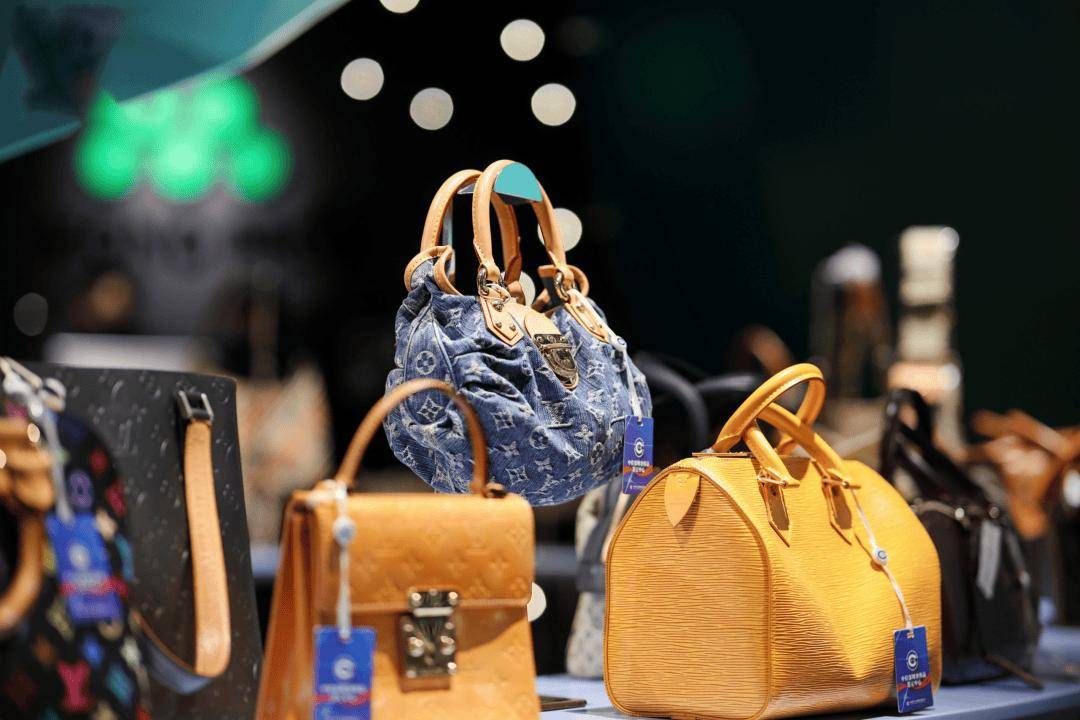
This interview during my recent inspection in Japan just verified this from the circulation side.“量增價跌”——When the supply of second-hand goods in the Chinese market is sufficient and the prices are competitive enough, even Japanese merchants begin to reverse purchase.
Of course, this does not mean that all categories are cheaper in China, but the circulation path of second-hand luxury goods may have exceeded our imagination. Consumers who are used to going to Japan to buy second-hand goods may not think that the bag they fancy in Japan may come from someone’s wardrobe in China.
The circulation path is changing, and the pace of transactions is also changing.Next is my personal experience. In the past few years, due to changes in lifestyle, I have sold more than a dozen designer bags. This year, it is very obvious that even the classic bags of Hermès and Chanel are not like those in previous years. As soon as they are listed on the second-hand platform, people immediately rush to order, and the delivery is almost guaranteed to be completed within a week. Nowadays, it sometimes takes more than half a year for a bag to be sold.
Therefore, Ershe not only extends the brand’s appeal, but also exposes the brand to more open comparisons. Behind the same logo, consumers have another way to judge which things are more durable and which are just popular in a certain season.
The second-hand market tests not only the price, but also how much desire remains after ownership.
But even after their pockets become tighter, consumers will not stop pursuing identity and beauty, but will begin to demand more specific and verifiable value from brands. In the past, a widely recognized logo could answer many questions for buyers; now, brands need to further explain: Besides letting people know it’s expensive, what does it offer the owner?
衣櫥裏那些時代的眼淚
Those bags that are only sold in half a year on second-hand platforms are not just about price. They also remind me that the reasons why I bought them in the first place may have changed.
Social business card expired
Looking back today, these purchases may seem impulsive, but the context at the time was not. We cannot easily laugh at the enthusiasm of those years with today’s perspective. For many women, the first expensive bag has indeed recorded the increase in income, the progress of work, or the moment when they can finally make their own decisions.
Maybe it’s a reward for your hard work, maybe it’s an important commemoration in life,Its meaning was once concrete and real.
However, when career paths, social situations and income expectations change, an originally effective consumption language will also come to a standstill. People have begun to calculate how many times a year an item can be used, and they are more concerned about whether it is easy to wear, travel, and take care of. The outfits that were prepared for a certain occasion in the past may not be able to find so many opportunities to appear now.Not to mention anything else, the company annual meetings and various celebrations that have shrunk significantly in recent years have made manyThe “battle” is no longer useful.
I wish I could go back in time and wake myself up
There are many in my closet“Tears of the Times”: I worked in a financial institution for many years. At that time, the dress code was very strict.還Be dressed appropriately“Unspoken rules”. Expensive high heels, slim suits.
I believe that many white-collar women in the workplace have a pair of designer high-heeled shoes that have been influenced by movies and TV shows such as “Sex and the City” and “Gossip Girl” as well as celebrities’ styles, such as Manolo Blahnik, Jimmy Choo, and Roger Vivier, gathering dust in their cabinets.
When purchased, they were closely tied to the work, social and self-requirements of the time. nowTurning it out, I just want to go back in time and slap myself: wake up, don’t spend money randomly。
Regret is regret, it’s really worth it細What I’m thinking about is not whether I should have bought it in the first place, but why those things no longer fit. Clothes and shoes have not changed, what has changed is the people who wear them, and the times we live in.
More comfortable clothes do not necessarily come from a more relaxed era.
The most direct evidence is:Nowadays, even in financial institutions, the dress code is far less strict than before.
This shift is not just a phenomenon in individual industries. Someone on the social platformIt was popular more than ten years agoattire is called“Aesthetics during the economic upturn.” The upright, precise and outwardly displayed image is easily reminiscent of an era full of opportunities., you will be willing to endure the raging theory of the times that beauty means discomfort for the sake of it.
During that period, fromAnna Dello Russo到From Christian Louboutin to Tom Ford, almost all fashion editors and designers are telling you that beauty and fashion cannot coexist with comfort.
而如今,The aesthetic paradigm has quietly changed,Comfort has basically become the greatest common denominator of fashion. But this pursuit of comfort does not mean a reduction in quality requirements.– It just changes what consumers are willing to pay for.
Some people buy less big-name brands, but are willing to pay more for a piece of fabric and a well-tailored piece of clothing; some people still buy famous brands, but with less frequency and stricter selection. A contraction in consumer spending and changes in consumption standards can occur simultaneously. To call them all upgrades or downgrades is to miss the real people.
Behind this change in consumption standards are the varying degrees of pressure faced by different people. Pressure on the market will prompt people to rearrange their budgets; the same pressure does not fall equally on everyone. Some people are reordering between optional consumption, while others are worried about jobs and income. A person who has plenty of money and chooses to slow down is in a different situation than a person who is forced to cut back on spending.
For old brands, it is easy to follow the trend, but how to get through the cycle requires the ability to reflect on the trough and turn the crisis into an opportunity. When the entire market becomes more rational and calm, it is time to truly test the brand moat.
For new brands, this is also an era full of opportunities. Many old routines can no longer be played, and all things are lost.
When big names are no longer the only answer
When talking about these reasons for buying, don’t be shy about vanity. As long as you are a normal person, who doesn’t have some vanity?
Wanting to be envied, hoping that others will see one’s financial strength at a glance, or borrowing something that is recognized as expensive to gain attention are all unavoidable psychology in luxury consumption.
Vanity has not given up, and the satisfaction of being envied and recognized is indeed part of the consumption value. However, when times slow down and consumers are no longer coerced by various concepts, they will recalculate: Is the status satisfaction it brings, coupled with design, craftsmanship and user experience, still worth the price?
凡勃倫的“炫耀”:Imagination of scarcity manufacturing
奢侈Brands know this.“Scarcity creates desire”It is the underlying logic of luxury marketing, and Hermès interprets it as經典的全球範本——By artificially controlling supply and setting implicit thresholds, a purchase behavior is upgraded into an identity authentication ceremony. All popular bag styles require distribution and waiting. It is an unspoken rule that is almost universally known around the world.
The longer you wait and the harder it is to buy, the satisfaction you get when you finally own it may include a“i was chosen”of identity confirmation. What a bag provides is not only use value, but also a sense of difference that others don’t have but you have. As for how much of it is love and how much is concern for other people’s eyes, even the buyer himself may not be able to tell clearly.
這正是The mechanism revealed by Thorstein Veblen in “The Theory of the Leisure Class” in 1899: The core function of luxury goods is not just use value, but to send a signal to the outside world – I have enough wealth and leisure to consume those things that are necessary for survival.“不必要”something. Wearing something uncomfortable,等Having it long enough and deserving enough is itself a visible declaration of superiority.
But seriously, when buying bags becomes a process that requires arranging goods, queuing up, and looking at faces.“通關遊戲”, one day players will wake up and ask themselves: Am I buying something, or am I buying a“想象”tickets in?
American customers are even more ruthless and directly use this set“想象”Went to court.In 2024, U.S. consumers filed a proposed class action lawsuit, accusing Hermès of illegal tying by linking the opportunity to purchase Birkin bags to consumption records of other products. In September 2025, although the federal district court rejected the relevant federal antitrust request on the grounds that the plaintiff failed to fully demonstrate the factual basis for the relevant market, market power and competition harm,“Scarcity is sacred”filter, a crack was knocked out in person: In the plaintiff’s narrative, the so-called“被選中”, and behind it is a distribution bill.
The cracks opened by a complaint are not just a problem for the Hermès family. What’s even more noteworthy is that the reasons why people buy it are changing.
Bourdieu’s“區隔”: The new generation refuses to copy the previous generation
When writing this article, I interviewed some young girls from particularly well-off families, commonly known as the “rich second generation”. Their attitudes towards classic brands have also changed significantly. They will even deliberately avoid those classic big brands and styles, and will find it distasteful to certain styles and styles that are shown repeatedly.logo“老土”, not cool enough, and feel that it represents the choices of women of the previous generation and cannot represent them.
她們的話很直白——An object with no eye-catching logo, a design with a provenance, and a clear explanation of the materials and production process is more likely to arouse their interest.“It’s best if it’s niche and not many people know about it. It can make people think that I am cultured and cultivated rather than just rich. It can make people think that I am a person.很有品位A very special person”, this is what several new generation high net worth women told me.
What they reject is not the expression of identity, but the reproduction of the identity expression of the previous generation.
皮埃爾·Bourdieu argued in “Distinction” that consumption choice is never purely personal preference, but a tool for class reproduction. so-called“品味”, is the boundary constructed by a specific class through cultural capital.——You know what to buy and how to wear, which is a trained ability in itself. But Bourdieu also hinted at the instability of taste: when class mobility slows down and social scenes are reorganized, the once effective coding of taste becomes ineffective. Those classic models that were regarded as the standard by the previous generation are no longer a pass in the eyes of the younger generation, but become“老土”的標籤。
Of course, these sample sizes are not large enough to represent an entire generation. But their choice raises a question that deserves a serious answer from luxury brands: When consumers no longer need to use the same set of symbols to prove themselves, what else can brands provide?
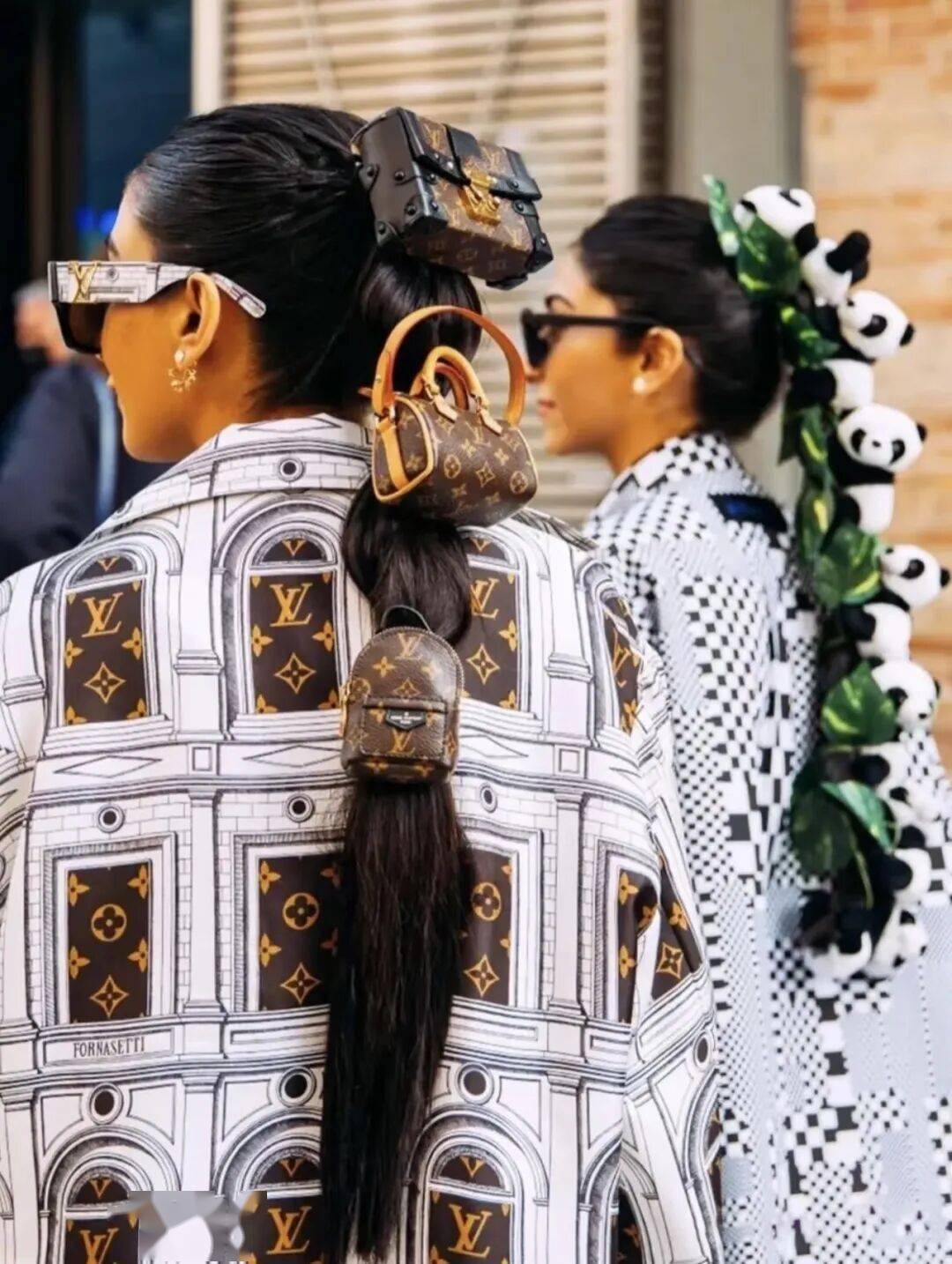
從“conspicuous” (conspicuous consumption)到“inconspicuous”(Secret Consumption): Being low-key does not mean being without vanity.
Being logoless does not mean that identity expression disappears. Being able to identify a certain designer, a certain weaving method, or a certain niche workshop may also form a new circle language. from“Others can tell at a glance that my purchase is expensive”到“Only those who understand know that I am expensive”, the expectation for recognition has shifted from economic strength to knowledge and taste. The joy of cultural discovery can be real, and new distinctions can occur simultaneously——You can’t attribute all motivations for buying big-name products to vanity, and assume that the motivations for buying handicrafts are natural and pure.
People in the industry have also felt the changes in consumers. Luxury promotion veterans I interviewedYvonneSpeaking of words, using familiar words and repeating the authority of the brand is no longer as easy to impress as it used to be.
When “classic”, “hundred years” and “limited edition” are mentioned too many times, the halo of abstraction will diminish, and concrete explanations will become important. The so-called story needs to be implemented in the work. A moving name of a place of origin and a well-arranged history, if it cannot correspond to materials, design, working hours and services, will sooner or later become another set of skilled words, making people feel lackluster and stop being popular.
Behind the shuffle: the reason is never single
The reasons why consumers buy it are changing, and the force driving this change is not just wallets. foreign mediaThe report on October 9 was widely cited by many luxury goods researchers. The report mentioned that tax arrangements related to offshore trusts and the pressure to pay taxes may affect the short-term capital arrangements and consumption sentiments of some ultra-high-net-worth individuals.
But if the problem is simply attributed to the economic downturn and people have to cut back on food and clothing and stop buying luxury goods, then how to explain the simultaneous rise of new brands and new tracks? There is no single reason behind this round of reshuffle.
Opportunities of the times:Revaluing culture and craftsmanship
The other side of the shuffle is that new players are being seen.
Laopu Gold and Yuanxian Yunjin: How Culture Involves Pricing
The growth of Laopu Gold provides the most direct entrance to observation. ThatThe 2026 interim report shows that revenue in the first half of the year was 19.808 billion yuan, a year-on-year increase of 60.3%. The material value of gold, coupled with the patterns, meanings and wearing experience, provides consumers with an appeal that is different from traditional big brands.
This growth is also affected by factors such as price, channels, and product structure, and cannot all be attributed to cultural identity. The craftsmanship and brand premium of gold jewelry may not be retained when it is liquidated. Consumers are willing to pay for value other than raw materials. Whether this value can be sustained still needs to be tested.
Yuanxian Yunjin allows people to see how cultural resources enter the current consumption scene. Jinhong Group《The 2025 Board of Directors Work Report disclosed that the main revenue of Yuanxian brand business increased by 37% year-on-year, and the profit increased by 67% year-on-year. Its products cover decorative arts, clothing accessories, and museum cultural creations. This is the performance of a single brand, but it provides a specific sample for understanding cultural consumption.
From Laopu Gold to Yuanxian Yunjin, one common point that can be discussed is that consumers are willing to stay for more specific cultural content. It can be the intimacy brought by familiar patterns, or it can be the interest in a skill that was unknown in the past. There is an extra layer of discovery and understanding in the satisfaction of purchasing.
But behind the scenes, it is still in the sense of Bourdieu.“Cultural capital”: When expressions of economic capital become crowded, consumers will turn to more scarce cultural capital to establish differentiation—not “I am richer than you”, but “I know things you don’t.”
Aesthetic revival does not mean manual revival
However, the rising cultural attraction also brings about a boundary that is easily blurred.
When it comes to Song brocade, Yun brocade and Su embroidery, one must separate the aesthetic revival from the production method. The popularity of traditional patterns does not mean that all products are handmade. CCTV has reported on the modern digital jacquard production of Song brocade; the woven gold, Ku brocade, and Ku satin in Yun brocade can also be produced by machines, but the specific traditional techniques of jade flowers still need to be completed by hand. Modern manufacturing brings traditional aesthetics into daily life, and hand-woven weaving has another set of labor input and pricing basis, both of which have value.
Suzhou embroidery should also look at the stitching method, silk texture and the degree of manual participation. A ready-made garment with traditional patterns and an embroidery work that requires a lot of labor can have their own beauty, but they cannot share an unexplained proof of scarcity. Respecting tradition also requires businesses to explain their craftsmanship clearly.
The appeal of new Chinese style also lies in the fact that it allows consumers to have the pleasure of discovering and learning traditional culture. Looking at social media such as Xiaohongshu, you will find a lot of discussions about new Chinese fabrics, styles, and wearing scenes.
However, whether a piece of clothing can become a frequently worn item still depends on the wearing experience, style and daily adaptability. Culture can bring consumers closer to a product, and it is the product itself that determines whether they will come back.
From tapestries to shawls: the rediscovery of cross-cultural crafts
Chinese brocade can move people, and cross-cultural handicrafts can too.
Kashmiri shawls are another example that are being rediscovered. In my research and daily contacts, in recent years, more and more people around the world have begun to pay attention to and buy Kashmiri handmade shawls. Although the Chinese market is still niche, it has also expanded a lot in recent years.
financial times this yearIn February, there was a report titled “Get ready to wrap – the pashmina is back”, explaining that after more than 20 years, Kashmiri shawls have once again gained the favor of a new generation of A-list celebrities and Internet celebrities.
The Metropolitan Museum of Art’s collection description records the history of Kashmiri shawls’ popularity in Europe and how their patterns evolved with market tastes, while also distinguishing between woven patterns and embroidered decorations. Today, the reason why a shawl can impress people is no longer just because“Expensive” or “rare” – touch, pattern, craftsmanship and cultural origin can all be attractive at the same time. But handicrafts are ultimately different from standard products on the assembly line: the materials and workmanship still need to be verified piece by piece, and the origin label does not mean that it is completely handmade.
If consumers can be moved by Chinese brocade, they will naturally also appreciate the handicrafts and patterns of another culture. This interest itself is much richer than a simple choice of brand nationality. Cultural affinity can lead to purchase intention, as can cross-cultural curiosity.
But whether it is a Chinese tapestry or a Kashmiri shawl, one border is common:
Culture and craftsmanship are never brands一塊“The gold medal to avoid death”. They can indeed empower brands and give value a narrative core that can be told and questioned. But whether the story can be realized in real objects, whether the craftsmanship is worthy of the name, whether the wear is comfortable and appropriate, and whether the service can fulfill the promise – these are the ultimate criteria for consumers to vote with their feet.
Many overturning failure cases have served as a warning. Whether it is the current new Chinese style craze or many international niche brands, they are often obsessed with weaving stories, but underestimate the complexity of practical operations, and ultimately let feelings lose to experience.
What will time leave behind
最後,What I want to say is,Nor can we erase the true history and craftsmanship of international luxury brands in order to tell new stories. Hermès’ revenue announcement still records the investment in leather goods workshop expansion, training and production capacity. A brand’s business narrative can be scrutinized, and its accumulation of materials, skills, and organizational heritage should also be specifically evaluated. It’s just that in the past, history may have been over-packaged or covered in dust.
Just because consumers are choosing again does not mean that human nature can get rid of marketing narratives and bid farewell to vanity. Niche can become the new expensive passport,“情緒價值”It may also become a reason for the premium that is difficult to trace. The more emphasis is placed on culture, time and craftsmanship, the more there needs to be something that can be checked off. Otherwise, after disenchantment, it is just a new object of blind worship.
As for the so-called popular nowadays“The garbage time of history”, with emotions, but it cannot replace the specific observation of the industry, work and daily life.There are opportunities in any era and opportunities are created, but it is not搞Evenly distributed.
Precisely because opportunities are never equal, the pressures faced by different people, the margins they have, and the choices they make are so different. Macro pressure deserves to be faced seriously; how personal choices change, how companies maintain quality, and whether skills can be reasonably remunerated all have their own standards that need to be seen. The popularity and decline of a few consumer goods cannot bear the overall evaluation of an era.
Those high heels and narrow suits still preserve the memory of a certain period of life. Just because they are no longer commonly worn today does not erase their significance back then. Life will change with age, era, and environment, and brands also need to be re-examined by the times and the market. Being once expensive does not guarantee that it will always be important; having history does not exempt it from the test of the present. After all, the only constant is change.
Is Hermès“Can’t sell it anymore”, financial reports have given more complex answers than emotions. For all luxury brands hoping to gain long-term trust, the next question is very close: when people spend their money more prudently, how much more can be produced that is worthy of being used, understood, and left behind?
Time will not gild a brand, it will only test its quality.
The pessimist is correct and the optimist is successful.
Is this the best of times or the worst of times?
Related Reading
- World, line up to sell goods to China!2026-11-12
- Ni Runfeng, the “King of Color TV”, passed away. From a workshop technician to the head of a state-owned enterprise, his ups and downs in half a life defined an era of home appliances.2026-11-12
- Original “Fearless” Wang Jianlin regains control of Wanda Business Management, and his net worth has evaporated by 200 billion in ten years2026-11-12
- Original: The middle-class people are crazy about grabbing Archaeopteryx in Sam2026-11-12
- There is no more double 11 in the world, leaving businesses miserable2026-11-11