Currently, the El Niño phenomenon has formed and will continue to strengthen, and is expected to develop into a “super strong” level event. At the 2026 World Agricultural Science and Technology Innovation Conference being held in Beijing, participating representatives exchanged ideas and sought solutions around agricultural production under climate change.
Representatives from several international organizations and scientific research institutions believe that droughts, floods, and high temperatures caused by the El Niño phenomenon will ensue, resulting in reduced or failed crops, which will lead to tighter local food supplies, thereby driving up food prices, and global food security will face a new round of impact.
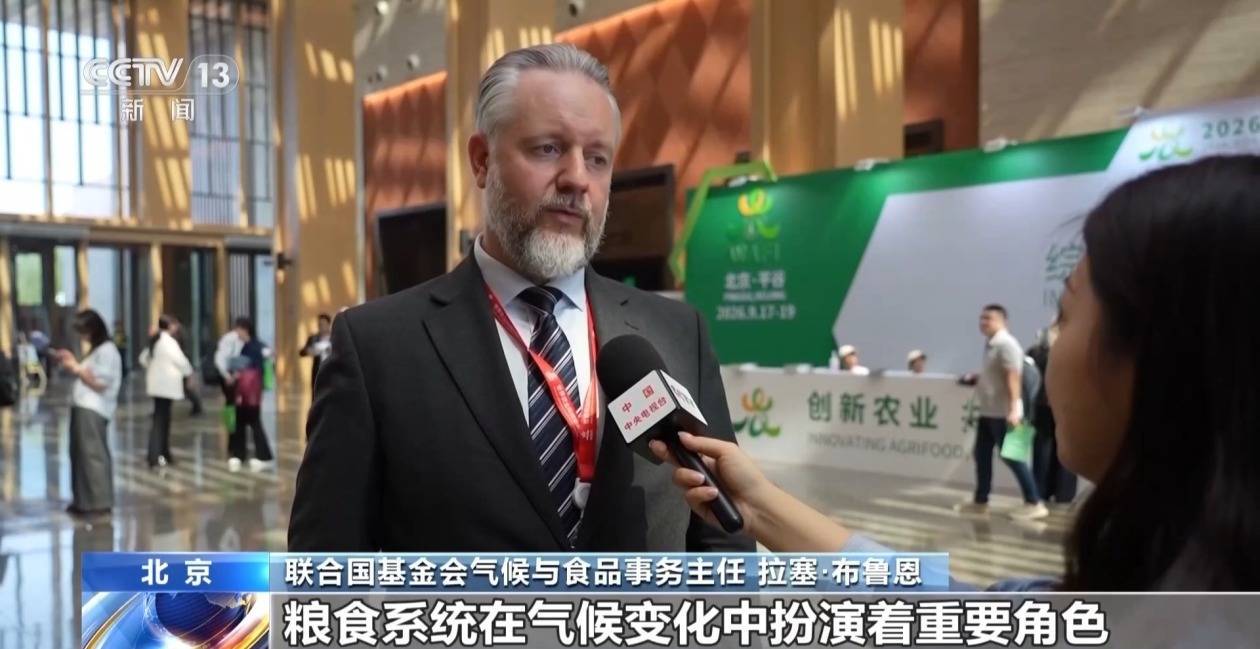
Lasse Brune, Director of Climate and Food Affairs at the United Nations Foundation: Food systems play an important role in climate change, both being affected by climate change and acting as a climate change mitigation industry. I think there’s a big opportunity right now to really focus research on sustainable food that is resilient to climate change and feeds everyone who needs food in an equitable way.
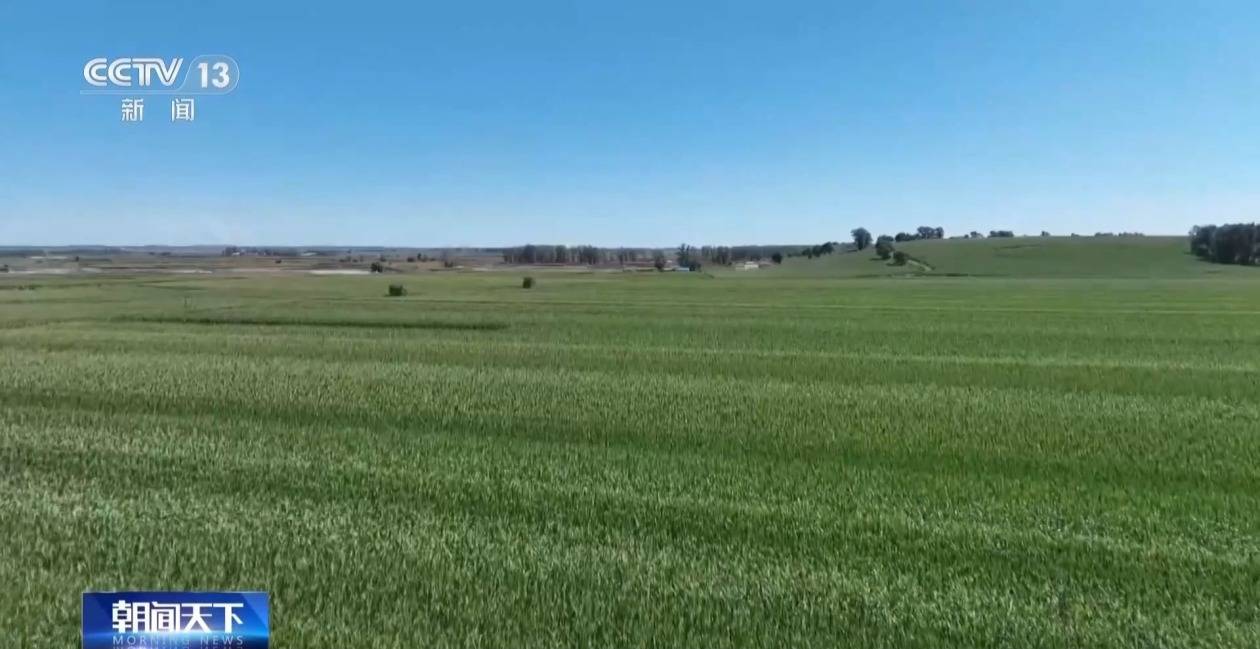
The more extreme climate change becomes, the more urgent the need for agriculture to “predict and act in advance”. Advanced technologies such as artificial intelligence will likely bring new solutions.
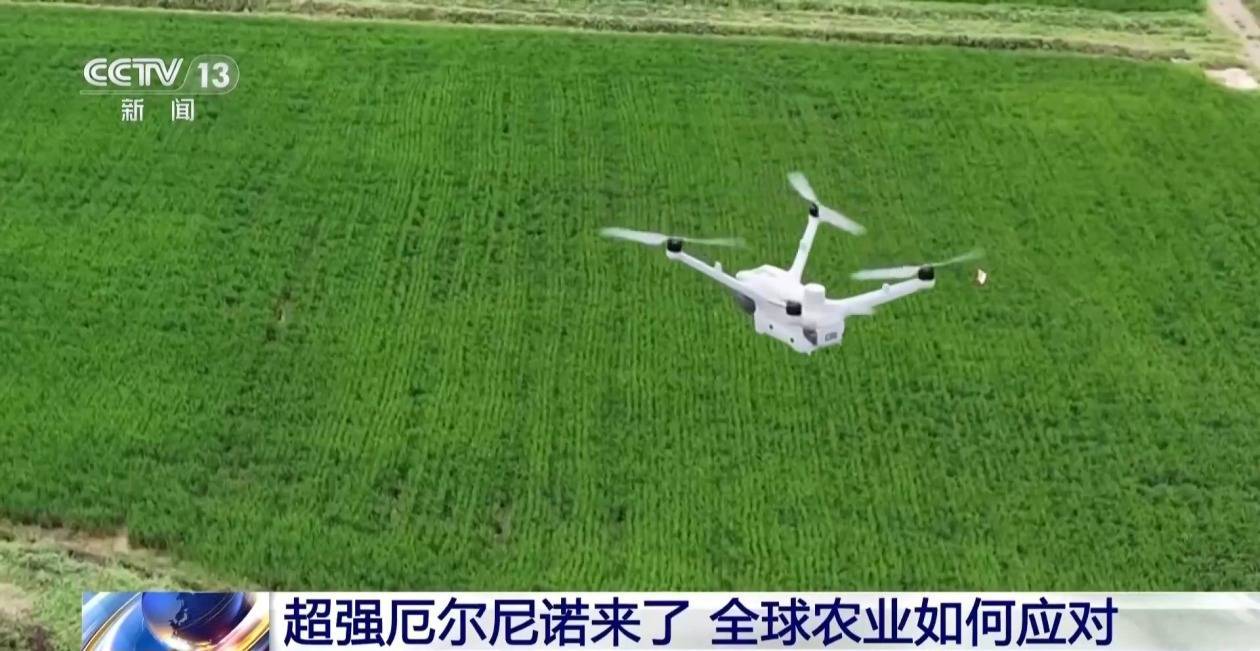
Currently, China is accelerating its exploration in the integration of AI and agriculture. From agricultural drones, intelligent picking robots, new energy tractors to AI intelligent processing equipment, China’s AI agriculture has been widely tried and accelerated in planting, breeding, processing and other aspects.
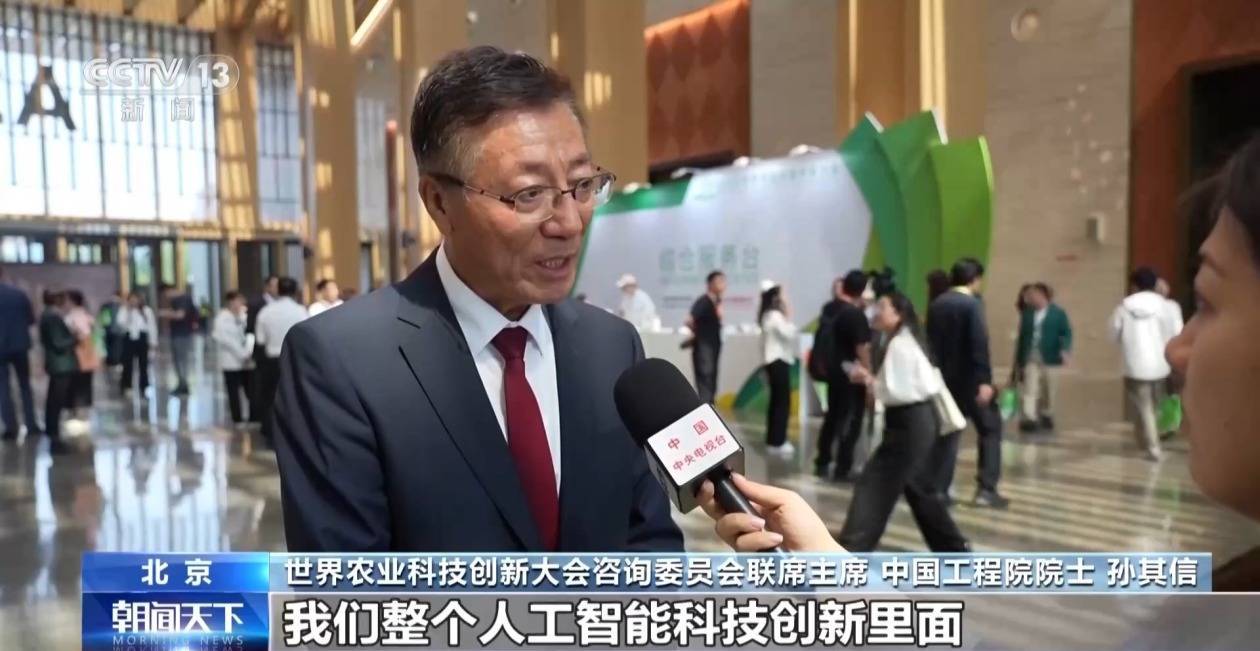
Sun Qixin, Co-Chairman of the Advisory Committee of the World Agricultural Science and Technology Innovation Conference and Academician of the Chinese Academy of Engineering: Our entire artificial intelligence technological innovation has been widely used. In the future, artificial intelligence technology will penetrate into all fields, scenarios and links of agriculture. We are accelerating the integration of artificial intelligence and industry, so that we can apply innovation results better and faster to China and the world.
Maximo Torero Cullen, Chief Economist of the Food and Agriculture Organization of the United Nations: The agricultural system is facing problems such as insufficient labor supply, manpower shortages, and the aging of employees. We need to find ways to close the information gap in agriculture, and this is where artificial intelligence can help.
Related Reading
- Smoke seen near Riyadh airport after air raid alerts in the Saudi capital2026-09-19
- The 20th Asian Games opens in Nagoya, Japan, and “China Blue” makes a dazzling appearance2026-09-19
- Photovoltaic giants collectively increase prices, but the window for large orders is closing2026-09-19
- A hardcore lesson for the beginning of the school year! Zhang Chaoyang will return to Beijing Normal University with hard-core physics courses2026-09-19
- Who knows? My family’s Internet security consultant is a fifth-grade elementary school student2026-09-19