Recently, a lifestyle called “Big Water Theory” has caused heated discussions on the Internet.
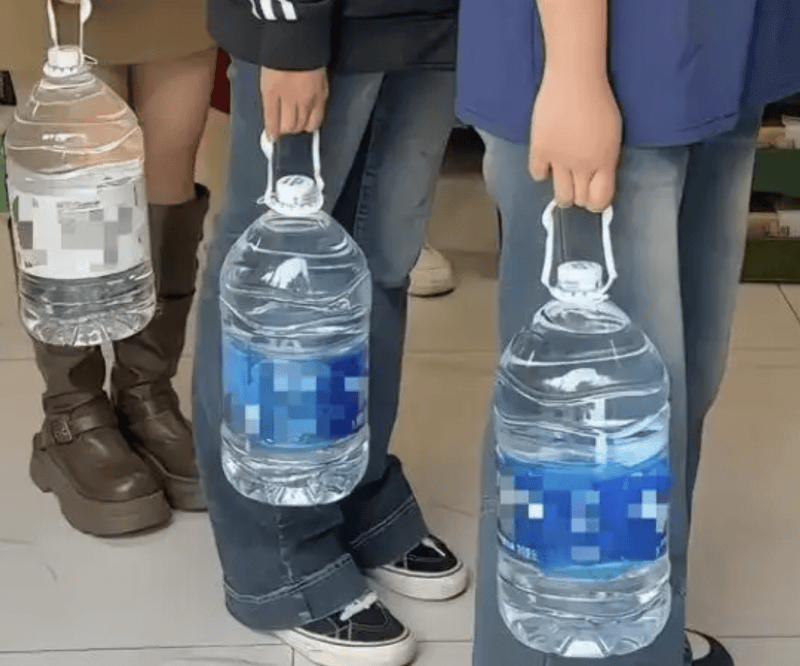
A group of young people have begun to voluntarily give up milk tea and coffee, and instead carry large bottles of 1.5 liters or even 2 liters of water with them. But can simply drinking more water achieve the desired health effects? How to drink to be healthier?
Drinking plain water is right
But too much is not advisable
The “Dietary Guidelines for Chinese Residents (2022)” clearly recommends drinking plain water or tea, drinking less or no sugary drinks, and not replacing plain water with drinks.
Some people, especially children, don’t like to drink tasteless plain water. You can add 1 to 2 fresh lemon slices and 3 to 4 mint leaves to the water to increase the color and taste of the water. You can also make your own traditional drinks, such as mung bean soup, sour plum soup, etc. Be careful not to add sugar.
Tips: White water refers to tap water, filtered and purified drinking water, boiled white water, bottled water, packaged drinking purified water, natural mineral water, natural spring water and other types of drinking water.
The main organ of the human body for drainage is the kidneys. Healthy kidneys can only excrete about 800 to 1000 ml of water per hour. Young people who “drink a lot of water” hold a large 2-liter bottle and drink half of it in one go, which is beyond the scope of the above recommendations.
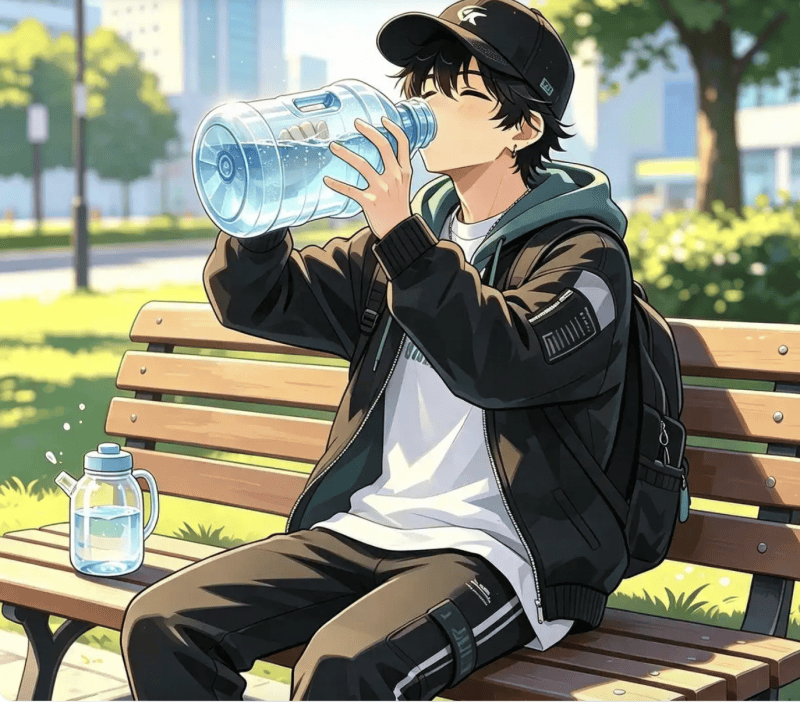
△Pictures generated by AI
The “Dietary Guidelines for Chinese Residents (2022)” recommends that under mild climate conditions, adult men with low physical activity levels drink 1,700 ml of water per day, and adult women drink 1,500 ml of water per day.
To be clear, this is just the “drinking” part. We also get about 1000 to 1300 ml of water every day from foods such as cereals, potatoes, vegetables, and fruits. Adding the two parts together, the total daily water intake for adult men is about 3000 ml, and for women is about 2700 ml.
What is the right way to drink?
drink small amounts frequently
Drink 100ml each time
Take the initiative to drink water once every 1 to 2 hours. Don’t wait until you are thirsty to drink water.
全天喝水
Pay attention to these three golden periods
A glass of warm water (approximately 200 ml) in the morning: replenish the water lost during nighttime breathing and sweating, and help the body “restart” smoothly.
Drink half a cup (about 100-150 ml) before going to bed: maintain water balance at night, but don’t drink too much to avoid getting up frequently at night.
Half an hour before meals (about 200 ml): It helps secrete digestive juices and also increases the feeling of fullness.
Boil plastic bottled water as much as possible for drinking
Each liter of plastic bottle (barrel) water contains an average of about 240,000 detectable “nano-scale plastics” (plastic particles smaller than 1 micron). These tiny “nanoplastics” can pass through cells in our intestines or lungs, enter the bloodstream, and even reach the heart and brain. For pregnant women, these plastic particles can also pass through the placenta and enter the fetus.
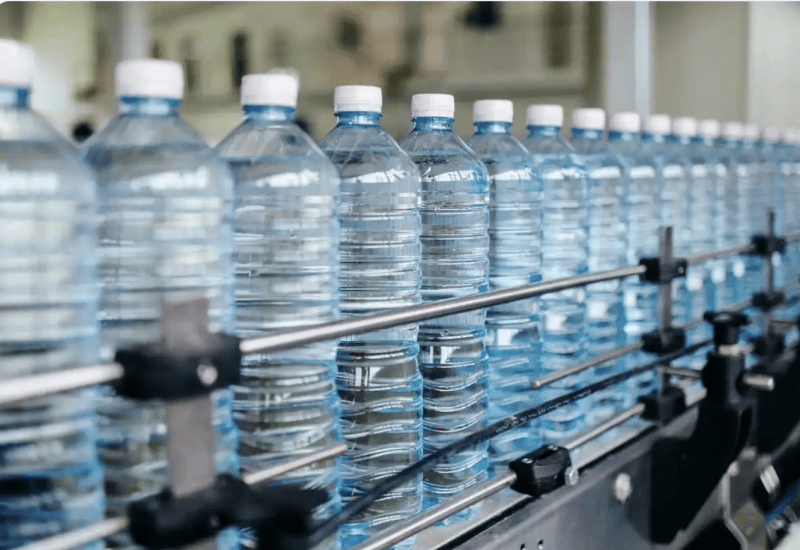
When bottled water bottles are squeezed or exposed to high temperatures, plastic particles can break off and enter the water. Even when the bottle cap is opened and closed repeatedly, many plastic particles can enter the water.
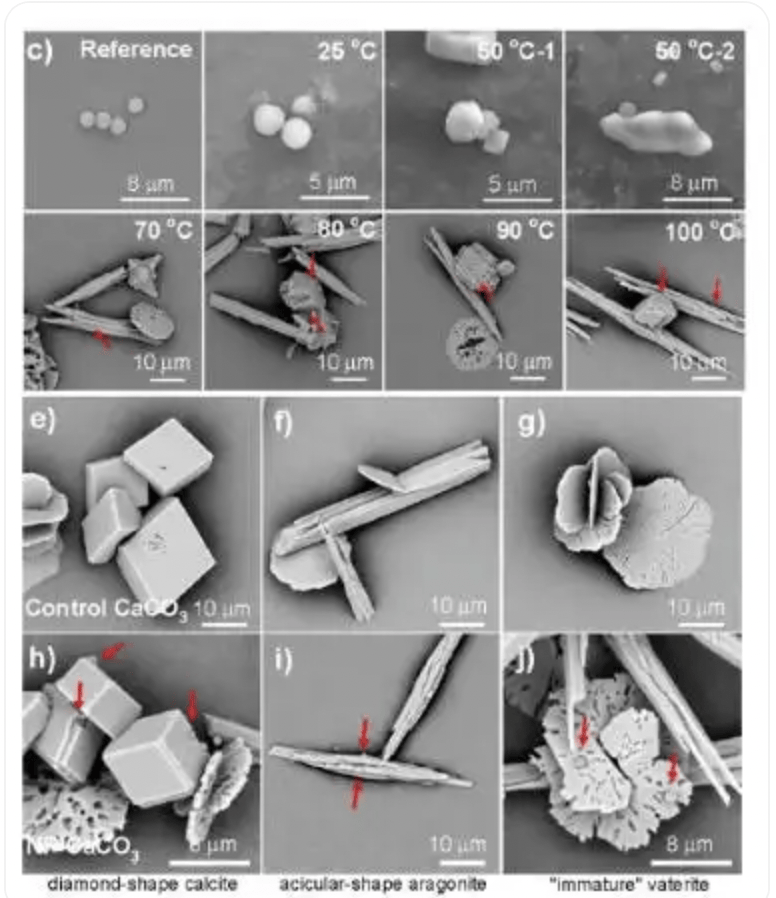
△During the process of boiling water, microplastics combine with calcium carbonate and precipitate. (Screenshot of study)
Although drinking water from plastic bottles (barrels) will cause us to ingest microplastics, there is actually no need to worry too much. As long as you boil the water before drinking it, you can minimize the entry of microplastics into the human body. Studies have shown that boiling water and simply filtering it can remove up to 84% of nanoplastics/microplastics. This is because the boiling process allows microplastics to co-precipitate with certain compounds in the water, and can easily be wrapped by scale and settle at the bottom of the container, thus achieving better removal effects.
It is recommended that you let the water settle for a while after boiling and use a filter device. You can bring your own water cup when going out. It is best to use glass, enamel cups, or stainless steel cups for drinking water.
Notice! These types of people must be “limited”
People with poor digestion due to reflux esophagitis or other gastrointestinal diseases
For patients with reflux esophagitis, drinking large amounts of water at one time may overdistend the stomach and increase the risk of acid reflux. For people with other gastrointestinal diseases that lead to deviations in digestive ability, it is especially not recommended to drink too much before meals, so as not to occupy the stomach capacity, increase the burden on the stomach, and affect normal eating and subsequent digestion of food.
The elderly, pregnant women and infants
The elderly may not metabolize water as efficiently as adults, so it is not recommended to drink a large amount of water at one time; pregnant women should drink enough water, but insist on small amounts many times; infants and young children do not need to deliberately feed water if they have sufficient intake of breast milk or milk powder.
People with abnormal kidney and heart function
When there is a problem with the kidneys, the functions of filtering, excreting, and reabsorbing water will be abnormal. If you drink too much water at one time, it may lead to water retention and edema. When there is a heart problem, the circulation and transportation function of water may be abnormal. Drinking too much water at one time may increase the load on the heart and cause heart discomfort.
People after strenuous exercise
After strenuous exercise, you sweat a lot and lose water, sodium, potassium and other electrolytes. At this time, you should try to use water containing electrolytes for rehydration instead of pouring large buckets of pure water. In this case, entering a large amount of pure water into the body at one time may further dilute the blood sodium and blood potassium concentrations, leading to dizziness, nausea, vomiting, fatigue, palpitation, etc.
“Big Water Theory”
What is truly worth learning from
It’s not like just picking up a bucket and pouring water.
Instead, develop a good habit of taking the initiative to drink water and drinking enough water.
Don’t let an Internet trend that seems to be about health care
damaged one’s own health
Related Reading
- Autumn is deep and the leaves are red! The most beautiful autumn colors in these places are online2026-10-24
- Cross-provincial mutual aid of personal account funds has been fully implemented. How to use the medical insurance wallet version 2.0?2026-10-24
- Typhoon “Qiangpi” is approaching. Experts explain why autumn typhoons are “more powerful than tigers”2026-10-24
- Why can rockets launched from Taiyuan be seen in many places in Shandong? From Mount Tai to the highway, behind a “national witness”2026-10-24
- Hero dad describes taking down Oregon school shooter: “I see faces, I hear voices, I hear screams”2026-10-24