Recently, according to various sources, the US military is sending additional troops to the Middle East, including the USS Theodore Roosevelt aircraft carrier strike group, multiple amphibious warfare ships and thousands of Marines.
Experts say that judging from the current situation, it is difficult to break the existing strategic deadlock between the United States and Iran. If a new round of conflict breaks out between the United States and Iran, it is likely to expose the Middle East to new war risks and further increase the risk of instability in the Middle East.
The “Roosevelt” will go to the Middle East or replace the “Washington”
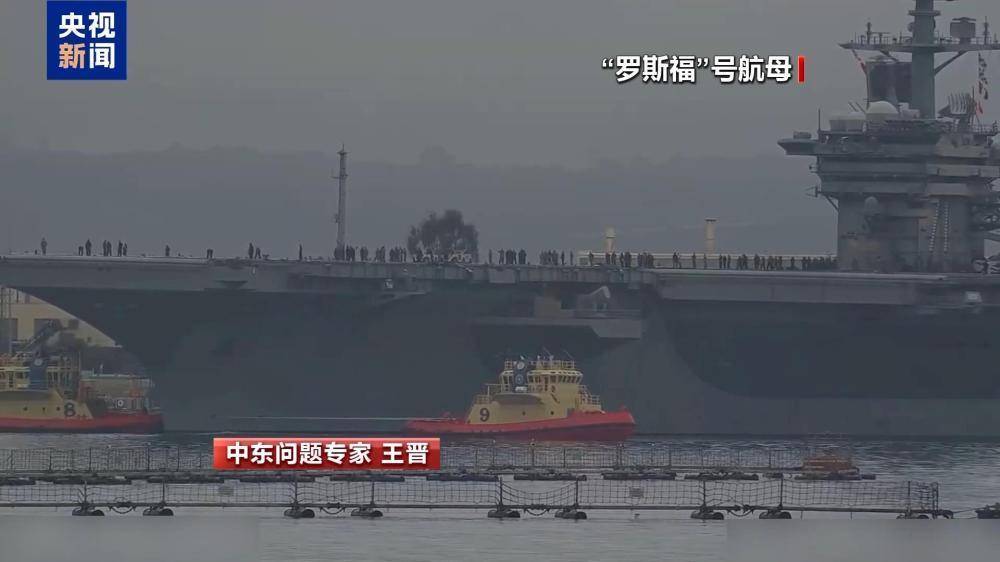
Middle East expert Wang Jin: Now that the “Roosevelt” aircraft carrier group is heading to the Middle East, it can actually be regarded as an established policy to replace the “Washington” aircraft carrier. But despite this established policy, we still have to see that with the arrival of the “Roosevelt” aircraft carrier fleet, the United States may launch a new round of military operations against Iran. On the one hand, the U.S. midterm elections are approaching. According to the current sailing schedule, the “Roosevelt” aircraft carrier fleet may arrive in the Middle East at the end of October, which may further increase pressure on Iran. On the other hand, starting from February 28 this year, as long as the United States has a new aircraft carrier fleet arriving in the Middle East, whether it is rotation or reinforcement, it will mean the launch of a new round of attacks on Iran.
The U.S.-Iran stalemate continues and regional risks rise
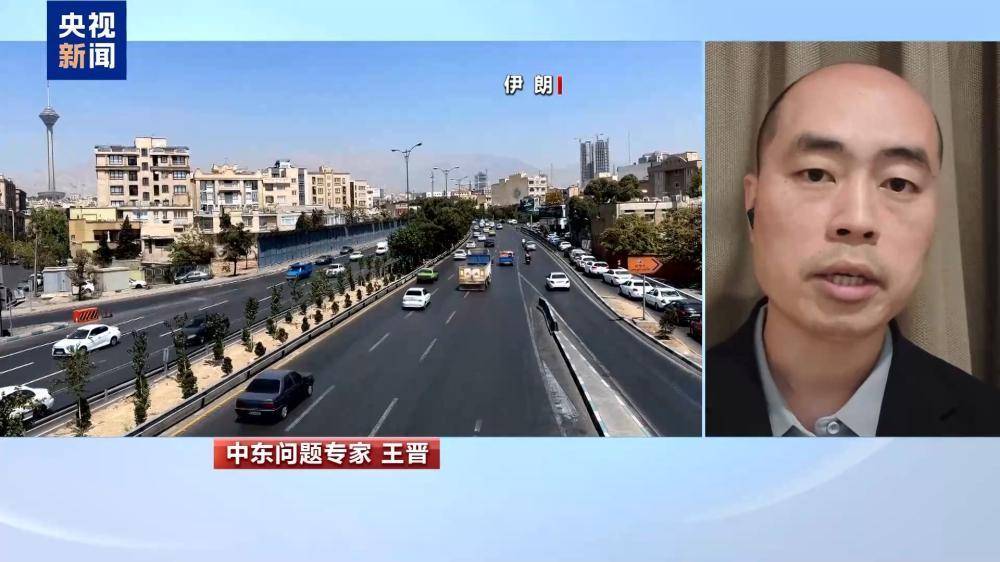
Middle East expert Wang Jin: Of course, judging from the current situation, it is difficult for the United States and Iran to break the existing strategic deadlock. Because no matter from the perspective of the United States or Iran, the two sides have formed tit-for-tat conflicts on the issue of navigation in the Strait of Hormuz, and neither side can make huge concessions on related issues. Moreover, the two sides have very different positions on a series of issues such as the Iranian nuclear issue and regional security issues. It is difficult to force the other side to make concessions through a large-scale unilateral military operation. Therefore, the strategic deadlock will continue; and as the strategic deadlock continues, regional risks are likely to rise further.
Related Reading
- Sun Yingsha returns to world number one in table tennis women’s singles2026-10-06
- Karoline Leavitt joins Fox News as contributor after leaving White House press secretary role2026-10-06
- Norway plans to temporarily ban the use of AI glasses in certain places2026-10-06
- During the holidays, it is recommended not to post these 7 types of photos on Moments!2026-10-06
- Hot search: Are high-speed rail seats a hot spot for HPV infection?2026-10-06