Recently, although there is no obvious shortage in production, global food prices have continued to rise.
The latest data from the Food and Agriculture Organization of the United Nations show that the global food price index in September hit a new high since November 2022. At the same time, global cereal production is still expected to reach about 2.979 billion tons in 2026, only slightly lower than the record high level in 2025.
Why are global food prices still rising despite total production being sufficient? What impact does this situation have on global food stability? How does it affect the cost of living of ordinary consumers in various countries?

Why food prices rise
From the perspective of short-term factors, the driving force behind the current rise in food prices is not in the “fields” but on the “roads”. Shipping obstructions in the Black Sea and Strait of Hormuz have resulted in local supply tightening and amplified international grain price fluctuations.
The Black Sea is an important channel for global food exports. Wheat transported through the Black Sea accounts for about 25% to 30% of global export trade, corn accounts for more than 10%, and sunflower oil accounts for two-thirds. Affected by the geopolitical situation, port conflicts and ship attacks occur frequently in the region, seriously affecting grain exports.
Andrei Sizov, executive director of the market agency SovEcon Research Company, believes that the impact of the situation in the Black Sea on the global wheat market is more serious than the impact of the shipping obstruction in the Strait of Hormuz on the crude oil market. The FAO has also made it clear that it will lower the global grain trade volume this year due to the situation in the Black Sea.
In addition, shipping in the Strait of Hormuz has been difficult to recover, which not only affects oil, but also raises the cost of fertilizers, logistics and insurance, which is passed on to agricultural products, further exacerbating global food price fluctuations.
Many analysts worry that the current uncertainty in shipping will lead to chain reactions such as “snatching, hoarding, and diversion of goods,” causing a more profound impact. From 2007 to 2008, global food prices rose, and some exporting countries restricted exports in order to ensure domestic supply, further exacerbating price fluctuations.
Therefore, even though global grain production and inventories are at a high level and have a “cushion” to deal with unexpected factors such as climate change, the uncertainty of the supply chain still amplifies price fluctuations to a large extent.
Why expectations are lower
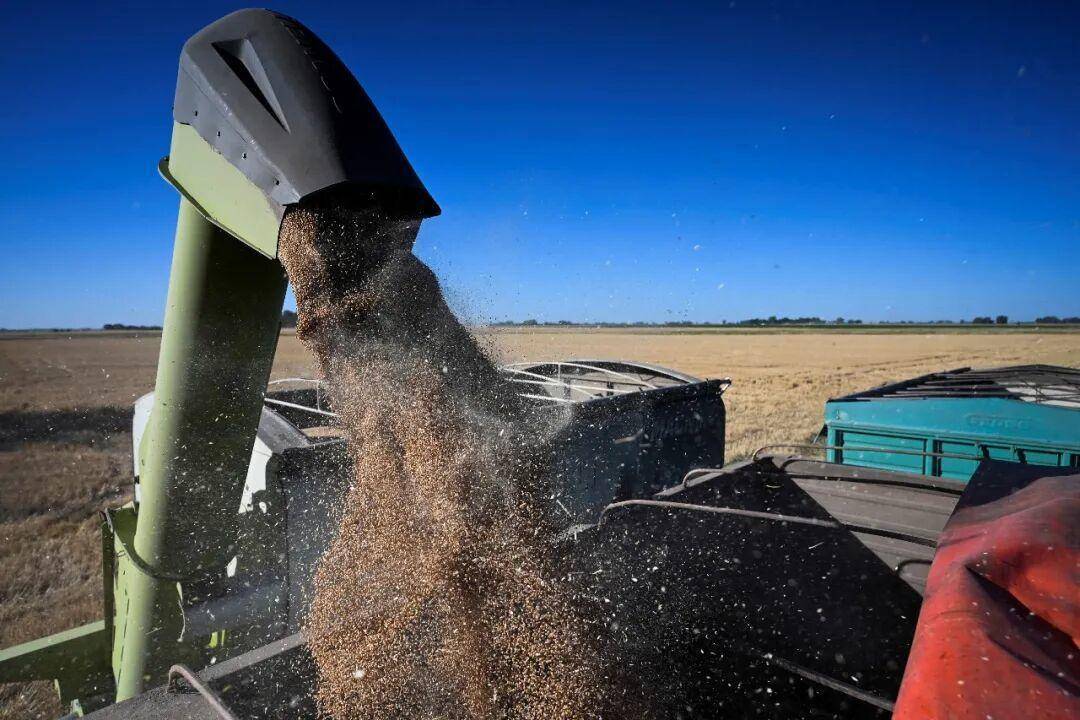
Compared with other bulk commodities, the biggest particularity of agricultural products lies in its long production cycle and many influencing factors.
Taking sugar prices as an example, the recent expected decline in Thailand’s production, insufficient rainfall in India, and heavy rainfall in central and southern Brazil have all led to tighter supply expectations, pushing prices up 6.1% in September. It can be seen that what is traded in the international market is not only “how many agricultural products are available today”, but also “how many agricultural products may be available tomorrow”.
Although the current output of agricultural products has not declined significantly, the global media is generally concerned that the “strong El Niño phenomenon” will bring about changes in global rainfall and temperature distribution, which will in turn affect the production of agricultural products and cause market anxiety to a certain extent.
ING previously analyzed that the risk of the El Niño phenomenon intensifying and impacting global food supply may be overestimated, because this phenomenon has an uneven impact on global agriculture, and the regional risks it triggers are significantly higher than global risks. In addition, current global food production and stocks may provide some buffer.
However, market sentiment has not been eased by such analysis. Observers said climate risks have changed mid- and long-term expectations for grain production, triggering market price fluctuations and further affecting procurement and inventories. In addition, coupled with the current tense geopolitical situation, food security risk exposure has been magnified, causing market prices to react much earlier than the actual reduction in grain production.
The Financial Times recently published an article stating that the continuation of the war in the Middle East, global trade disturbances and the El Niño phenomenon have increasingly made food and energy become external factors affecting global inflation. In the face of inflation caused by such shocks, traditional monetary policy cannot solve the real problem, and improving the resilience of the supply chain is crucial.
How to influence consumers
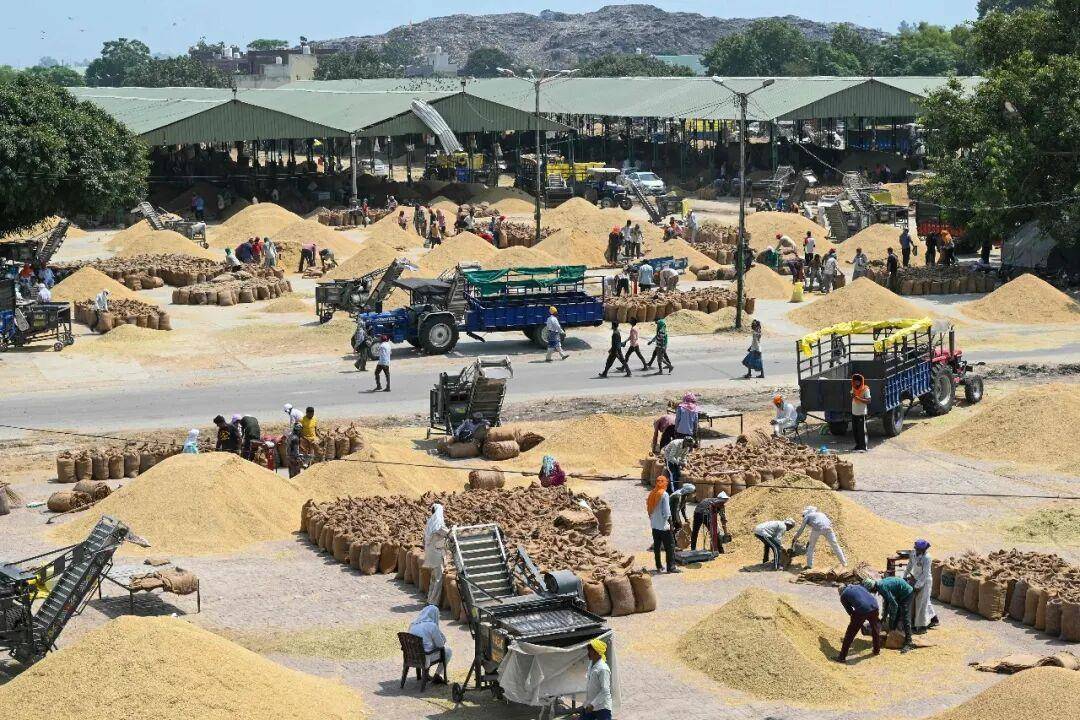
Food security is not only “whether there is food to eat”, but also “whether one can afford to eat and eat well”.
From the perspective of the overall environment, it is not that there is no food in the world. Instead, with relatively sufficient production and stocks, factors such as supply “breaks”, geopolitical conflicts, and climate change are constantly increasing the cost of food from the origin to the table, and may eventually be reflected in the daily bills of ordinary consumers in relevant countries.
The FAO Food Price Index measures the price of a basket of major food commodities on the international market and does not equal the final retail price of food paid by residents of each country. International food prices are transmitted to consumers through multiple links including transportation, energy, processing, warehousing and retail.
FAO chief economist Torero warned that if current supply chain and energy cost pressures persist, costs may be further passed on to consumers, especially those countries that are highly dependent on food and energy imports.
Historical experience shows that consumers in low-income countries tend to experience relatively greater stress. In these countries, food expenditure accounts for a higher proportion of overall consumption, and rising food prices have brought greater pressure on people’s lives. For these countries, a price fluctuation in the international market may be amplified through channels such as import bills, exchange rates and domestic logistics.
Related Reading
- victims identified after Georgia homecoming shooting as police appeal for help2026-10-05
- Former Prince Andrew takes legal action over warrants used in Epstein2026-10-05
- Cornell student who gave police leads in alleged rape says she feels ‘betrayed’ over its handling2026-10-05
- Brazil’s presidential election is in a stalemate: What’s the reason?2026-10-05
- Coast Guard suspends search for 6 missing medical plane passengers off Nantucket2026-10-05