When you drive to San Francisco, all the billboards you see along the way are basically related to AI.
In fact, in the Bay Area, you will find that almost no one is idle here. Within a week, anyone can attend a variety of AI-related events—roundtables, conferences, everything.
In the American AI circle, there is a word to describe it:社羣. To understand what is brewing and what is happening in the American AI circle, the key lies with them. Technicians are discussing the direction of model development, researchers are debating how to carry out governance, and investors are judging which direction can lead to success…
There are still many people who are thinking about things between China and the United States.
“Low hanging fruit”
Recently, Master Tan chatted with them, including former OpenAI engineers, U.S. California state senators, core participants in the China-U.S. Track II dialogue, and many third-party organizations that shuttle between China and the United States.
After chatting, Mr. Tan discovered that there are actually many issues of common concern between China and the United States. What drives these issues is not just the official versus the official, but also the interweaving of official, semi-official, and private sectors.
This year, there are very intensive dialogue channels around AI governance – there are high-level meetings and independent scientific groups at the United Nations level, the G20 and APEC each have their own AI agenda, and the Track II dialogue brings together many Chinese and American technicians and policy researchers. Consensus at the professional level can be formed through track two dialogues, then introduced to the policy circle, and finally confirmed by the decision-making levels of each country.
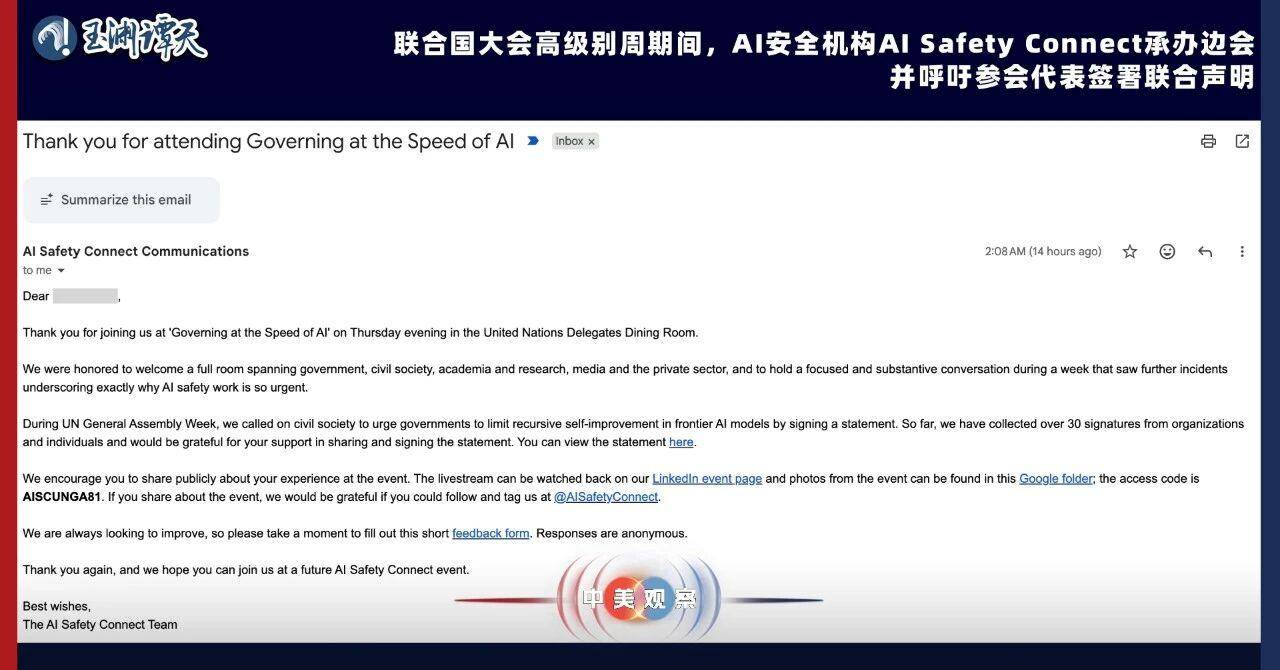
A specific case is to establish communication channels for artificial intelligence events.
AI security agency with close ties to the United NationsTwo co-founders of AI Safety ConnectTell Mr. Tan that they have been working hard for a long time to establish communication channels between China and the United States on AI governance (including preparation for dangerous artificial intelligence incidents). Seeing it on the global stage is a “positive step,” but it is only the first step. Now, they are discussing with their Chinese and American counterparts how to build an incident reporting mechanism—to allow the AI laboratories of China and the United States to talk across the Pacific and coordinate with their respective governments.
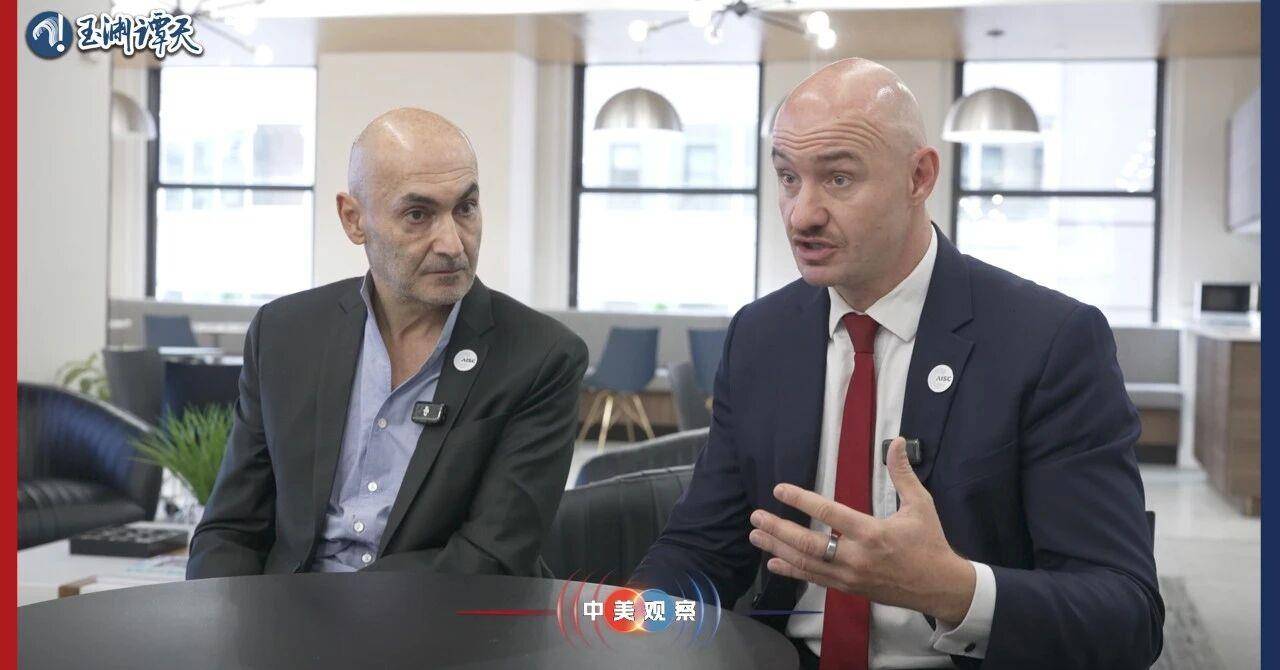
Now, more issues are being transformed into results. For example, preventing the most dangerous capabilities from being abused, including ensuring that AI is not used by terrorist organizations.
The AI community uses an interesting word to describe these issues: “low-hanging fruit.”
Deputy Director, Center for Strategic and Security Studies, Tsinghua University肖茜She is one of the core figures in the Track Two Dialogue between China and the United States. She and Master Tan confirmed that it is in China’s interest to establish communication channels for artificial intelligence incidents and prevent AI from being abused. Policy researchers from multiple U.S. AI security agencies have also clearly expressed their positive attitudes towards these two issues.
These confirmations give the expression “low-hanging fruit” a concrete meaning. The so-called “low-hanging fruit” is not the most ambitious goal, but those areas where China and the United States already have professional consensus and are relatively mature cooperation points.
With the establishment of the One-Track Dialogue, these issues have further gained a basis for top-level confirmation. After the establishment of the Sino-US artificial intelligence dialogue mechanism, issues accumulated in Track II have a clearer policy outlet.
Sources related to the Chinese negotiations told Tan Zhu that due to the very tight time this time, China and the United States mainly expressed their respective attitudes and concerns, and planned to advance specific issues in the next dialogue in November.
“Southern Orange and Northern Orange”
However, the same issue may not look the same when placed in different contexts.
The first is the misunderstanding between China and the United States about security itself.
Chinese researchers who have worked with many European and American AI security agencies in the Bay Area朱燕Let me tell Master Tan that a basic problem is the use of words: for example, in the English context, “safety” and “security” are very different concepts, but in Chinese they are uniformly called “safety”. It may seem that the same words are used, but they may have different connotations.
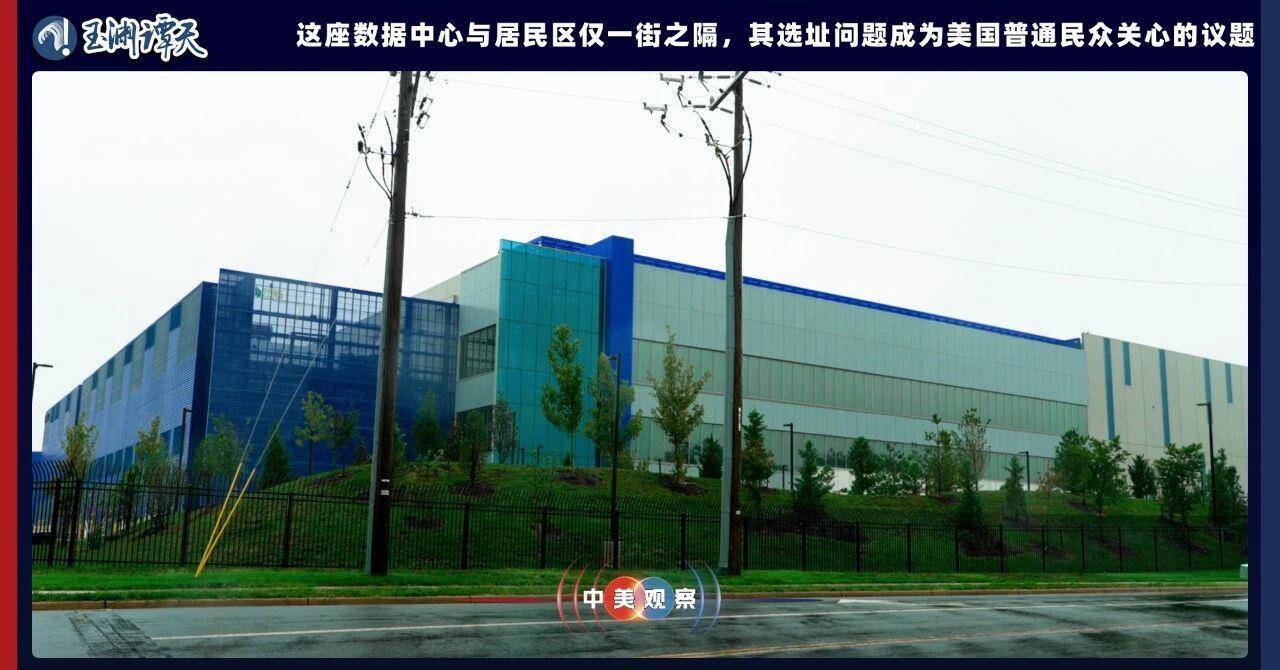
This disagreement is also reflected in the understanding of AI risks.
There is a self-contained classification framework in China. For example, the National Cybersecurity Standardization Technical Committee distinguishes three categories: “technology endogenous security risks”, “technology application security risks” and “application-derived security risks”. In the United States, taking MIT as an example, AI risks are summarized into seven categories, including discrimination, privacy, abuse, AI system security, socioeconomic and environmental impacts, etc.
The classification methods are not uniform, which means that the “significant risks” mentioned by both parties are not the same thing. For example, the United States is concerned about whether AI will bring devastating disasters to human society, while China is concerned about the specific risks arising from the actual use of AI.
Former engineer at OpenAIKatarina SlamaIt was mentioned that in the early days of training AI, people relied on feedback from people to AI to guide AI to understand people’s intentions; later this process was replaced and changed to letting AI give feedback to AI. As a result, it will be much more difficult to keep AI’s ideas consistent with what humans want.
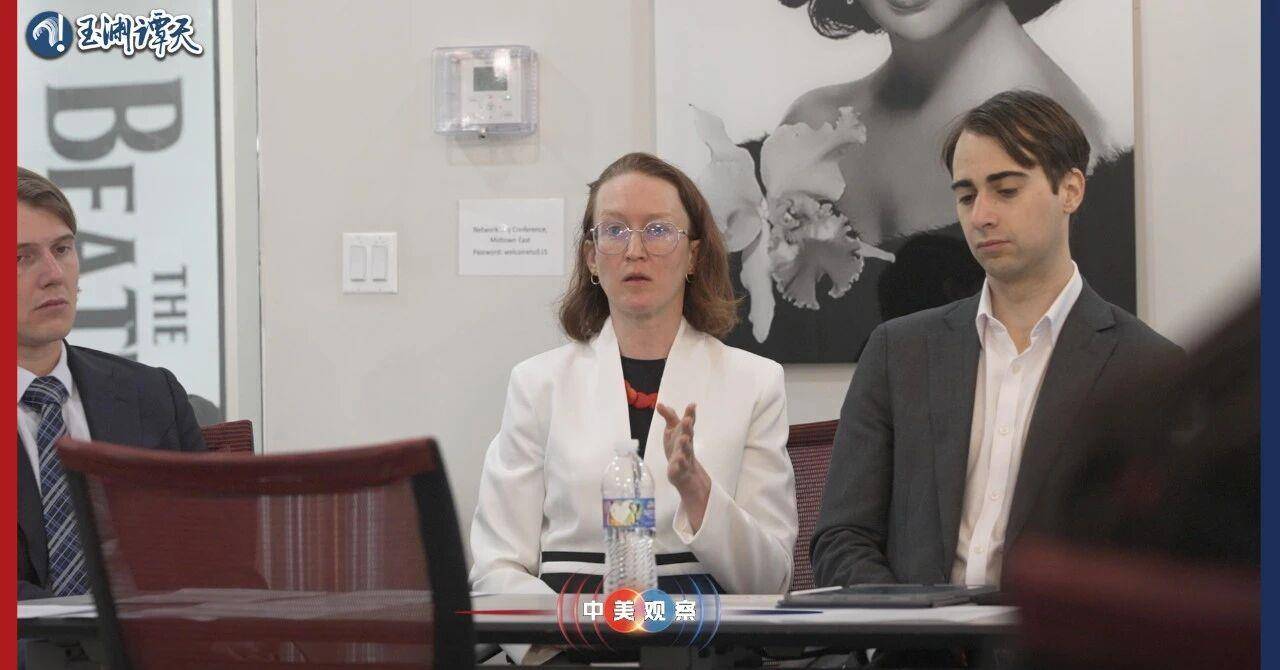
The United States also wants to know whether Chinese companies, experts, and ordinary people are concerned that one day AI may lose control and even control humans. Tan Zhu learned that they had asked many such questions in the second-track dialogue, but the two sides were interpreted to have different positions.
There are practical reasons behind this cognitive gap.
Master Tan learned that the European and American AI security community is a very elite, relatively Western-centered circle, with fewer people from other countries. Even though China’s big model has a place in the world, Chinese people are severely underrepresented in this circle, and the Global South is rarely talked about. But the problem is that many times, even if there are no Chinese personnel or Chinese companies present, when everyone talks about AI governance, China-related issues cannot be avoided.
This involves a more fundamental question: Who makes the rules?
If global AI standards are formulated by the United States, without Chinese participation throughout the process, it will be difficult for the final governance rules to be widely recognized and implemented globally. China and the United States are the two leading artificial intelligence powers and should have a corresponding say in the formulation of rules and standards.
The possibility of China and the United States promoting cooperation is more optimistic than a few months ago. The policy window has been opened and both sides are willing. The key is how to do it.
I have made it very clear before: the same issue may not look the same when placed in different contexts. If the issue of “Southern Orange and Northern Orange” is not resolved, even if the “fruit” is picked, it may not be the one both parties think it is.
Therefore, it is necessary to calibrate the understanding of both parties to the same coordinate system before discussing specific actions.
Specifically, there are at least three realistic directions for advancement.
First, jointly discuss AI risk classification and grading standards.
Both sides need to talk clearly about the underlying issues first: What kind of situation counts as a major risk? Which model behaviors are seriously out of control? These questions may seem basic, but they are the prerequisite for subsequent discussions of more complex rules. If the definition of “major risk” is inconsistent, subsequent coordination will be impossible.
Second, finalize the scope, process and requirements for reporting AI risk events.
Once a model goes out of control or escapes, both China and the United States need to grasp the incident situation and determine the risk level as soon as possible. China and the United States agreed to establish communication channels for artificial intelligence incidents, which is the first step to fill this gap. But this mechanism cannot stop at verbal agreements. There must be corresponding restrictions on which incidents need to be reported, how long it takes to complete the notification, what information needs to be shared, and how to deal with failure to implement notification requirements.
Without a reporting mechanism, there is no way to retain risk cases; without the accumulation of cases, it is unclear how risks evolve, and management and control becomes impossible.
Third, place AI governance within the broader Sino-US exchange framework.
Discussions on artificial intelligence should fully involve China so that the voices of more countries can be heard. Models may affect public safety, and deep forgery may impact social trust. These consequences will ultimately be borne by the entire society.
This sounds grand, but it’s not without its grip. Mr. Tan and the U.S. California State SenatorJerry McNerneyDuring the exchange, the other party mentioned that cooperation at the federal level in the United States may be slow, but California can pilot it first, establish mutual trust and an institutional framework, and then gradually promote it abroad.
We do not deny that competition in artificial intelligence will continue. However, ensuring that artificial intelligence is good and benefits all mankind is the greatest common interest of China and the United States in the field of artificial intelligence.
Related Reading
- Christa Pike surviving her execution was “unparalleled.” But it wasn’t the first botched lethal injection.2026-10-02
- Former Dallas officer who fatally shot man in apartment she mistook for her own gets parole2026-10-02
- Video丨”Sui Sui Duck” and “Pin Hao Building” are popular in the industry. This holiday, go to the museum to chase the “top”2026-10-02
- Xinhua Perspective丨New industries break ground and develop, and old technologies take on new life2026-10-02
- Giant panda “Fu Shuang” makes her first “eating broadcast” show after arriving in the United States: in good condition and with a good appetite2026-10-02