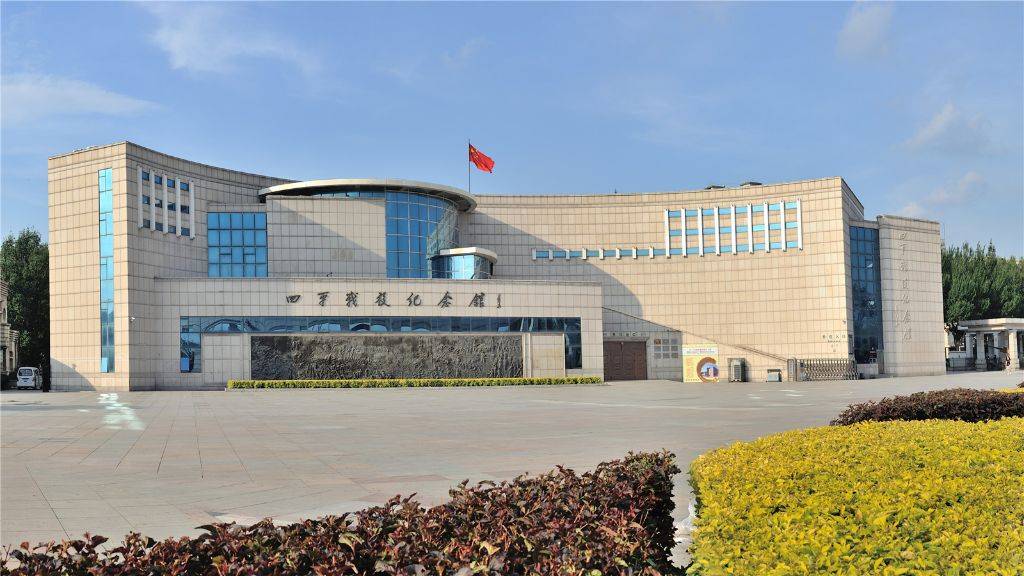
On the north side of the Heroes’ Square in Siping, Jilin Province, a solemn building stands quietly – the Siping Battle Memorial Hall building is like a slowly unfolding history book.
Entering the preface hall, the lighting is soft and solemn. Facing the front is a set of huge reliefs – the charging figures of the soldiers are frozen on the stone wall, and the smoke seems to have not dissipated. Walking further inside, yellowed images, precious cultural relics, and detailed written historical materials restore the thrilling historical scenes, taking visitors back to that war-torn era.
“Today’s peace was earned by countless ancestors who sacrificed their lives.” The words in the guestbook are neatly written, but they read with great weight.
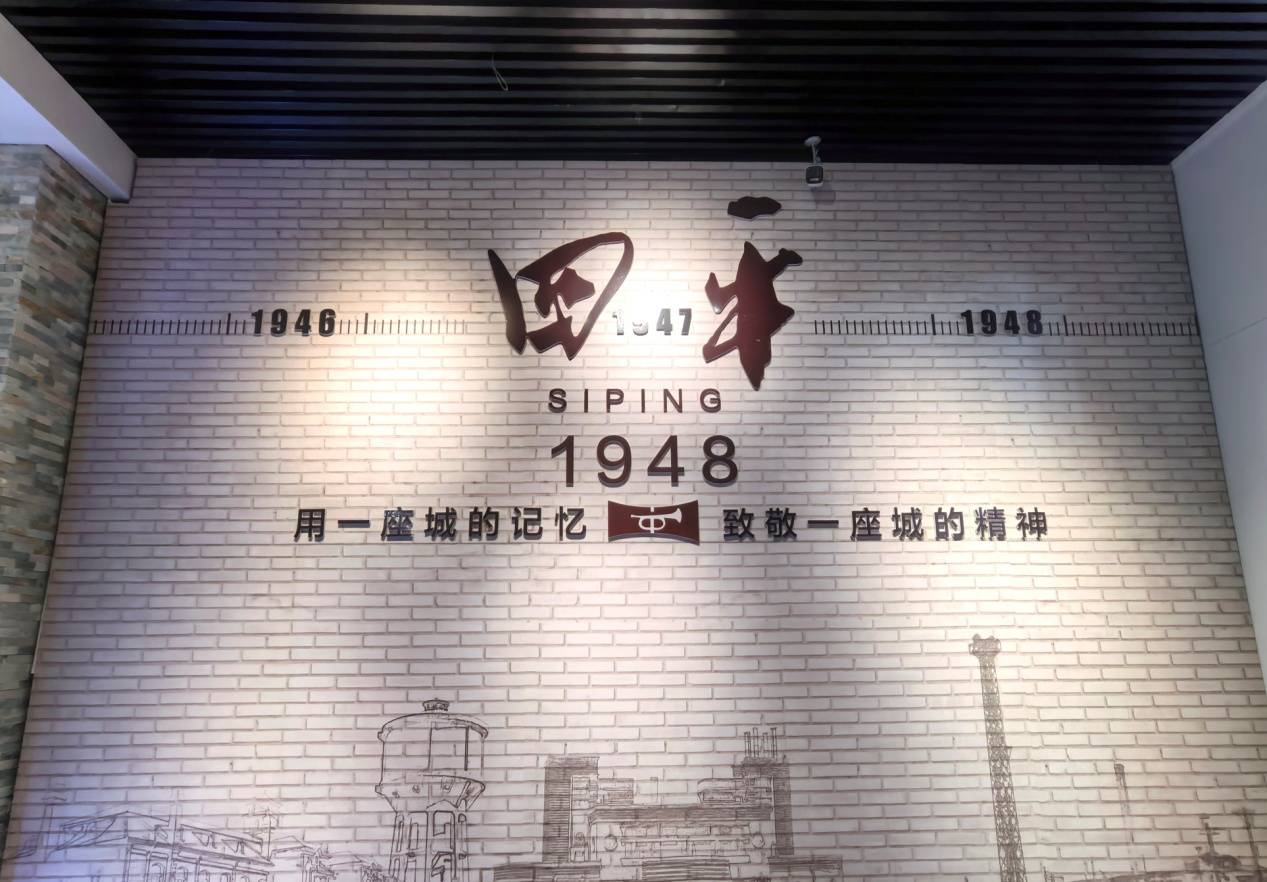
This memorial hall, built in 1958, is the most iconic red landmark in Siping, the “City of Heroes”. The five areas of the Preface Hall, the War History Hall, the Branch Front Hall, the Hall of Heroes and Martyrs, and the Half-view Painting Hall are unfolded in sequence, focusing on displaying revolutionary historical relics and historical documents related to the Siping Battle. This place combines sound and light, naked-eye 3D, multimedia and other technologies to immersively recreate the war years. Currently, the museum has a collection of 25,460 items, and a large number of revolutionary cultural relics and historical documents corroborate each other, outlining the magnificent panorama of “four wars and four peaces”.
Every cultural relic in the showcase is hard-won. “Revolutionary cultural relics are the carrier and witness of red history.” said Li Xiufeng, director of the Siping Battle Memorial Hall. In recent years, the museum has established a cultural relics collection team and a historical research team to conduct cross-regional collections. At the same time, it has promoted the rescue excavation of oral histories of veterans who participated in the war, and made every effort to rescue, retain, and protect precious red historical materials. Since 2020, a total of 588 pieces (sets) of various revolutionary cultural relics and historical materials have been collected.
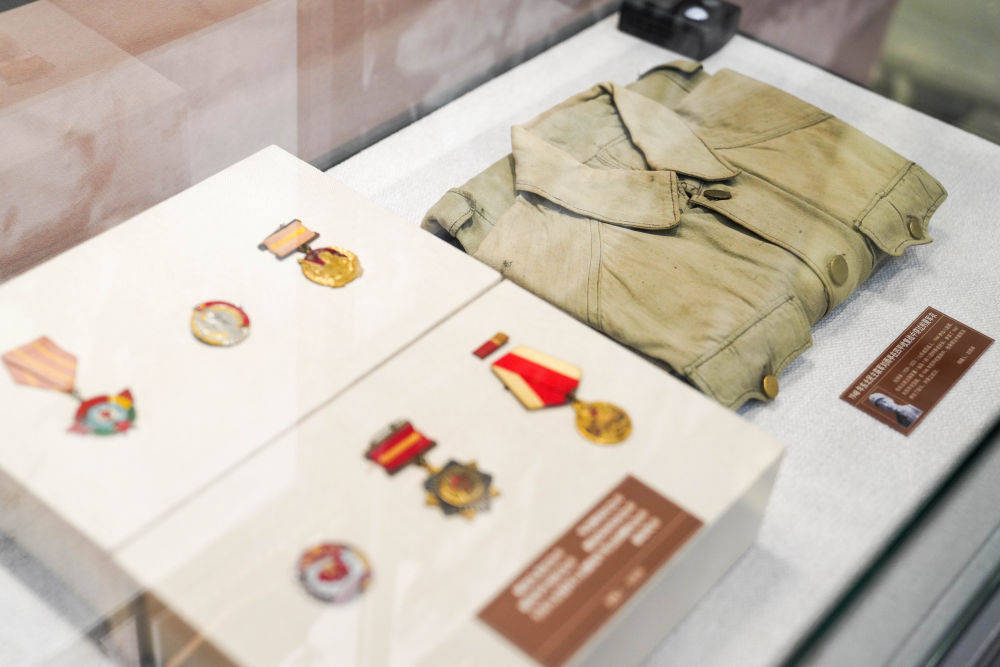
“This is the military uniform worn by Liu Yuting, a soldier of the Northeastern Democratic Alliance Army, during the Siping Retrieval War. This is the belt of military doctor Zhao Hongpu… Behind every exhibit is an unforgettable battlefield story.” the commentator narrated.
“I only learned about ‘four battles and four draws’ in textbooks before, but today I really felt how brutal that battle was.” A college student from Beijing said softly to his companions during the visit.
The audience responded with their footsteps. In recent years, the annual reception volume of the memorial hall has jumped from less than 100,000 in 2020 to 630,000 in 2025, and the cumulative number of visitors exceeded 2 million in the past six years. Behind the jump in numbers is the growing appeal of red culture.
The “City of Heroes” continues to burn brightly, and the red light shines forward. From here, you can understand “Red Jilin”. Jilin Province is rich in revolutionary cultural relic resources, with a long time span, many types, wide distribution and profound heritage. The province currently has 375 revolutionary sites, 554 martyrs’ memorial facilities, 387 patriotic education bases at all levels, 25 A-level or above red tourist attractions, 49 revolutionary memorial halls (museums), and 5,093 pieces (sets) of revolutionary cultural relics.
In recent years, Jilin Province has continued to polish the red logo of “Three Places and Three Cradles”, promoting the red coordinates scattered among the white mountains and pines and waters to connect the dots into lines and rotate from static to static.
From legislation to archeology, from exhibitions to tours, the protection and inheritance of red resources in Jilin is advancing step by step: the “Regulations on the Protection and Inheritance of Red Resources in Jilin Province” has been implemented, setting rules for the protection work; three batches of revolutionary sites have been approved and announced, and relics such as red stone lids have been announced. The archeology and protection display of the site continues to advance; the “Jilin Province Modern History Exhibition” and “Jilin Province Resistance against U.S. Aggression and Aid Korea Support Site Exhibition” have been launched; General Yang Jingyu’s Anti-Japanese War Road – the Northeast Anti-Japanese War cultural relics themed tour linking the scattered old sites into a walkable route.
Related Reading
- my country will increase the supply of high-quality grain products to better meet residents’ table needs2026-09-30
- Video丨The Great Power Project is updated to overcome a series of world-class problems!2026-09-30
- Market news: OpenAI’s annualized revenue approaches US$70 billion, and enterprise revenue doubles in three months2026-09-30
- Federal prosecutors charge Venezuelan man shot by ICE agent with assaulting an officer2026-09-30
- Democrat Abdul El-Sayed courts RFK Jr.’s MAHA voters with new health policy platform2026-09-30