The reporter learned today that the State Administration for Market Regulation recently approved the release of the national standard “Rental Bicycle Transportation Service Specifications Part 2: Internet Rental Bicycles”, which regulates the entire process of Internet rental bicycle operation services and leads operating companies to continuously optimize services and enhance user experience.
In terms of service personnel management, in view of the phenomenon that Internet rental bicycles are prone to random parking, untimely transportation, and inadequate maintenance, the standard proposes that operating companies should be equipped with Internet rental bicycle parking order maintenance, transportation, repair, maintenance, cleaning and other related service personnel, and conduct regular training.
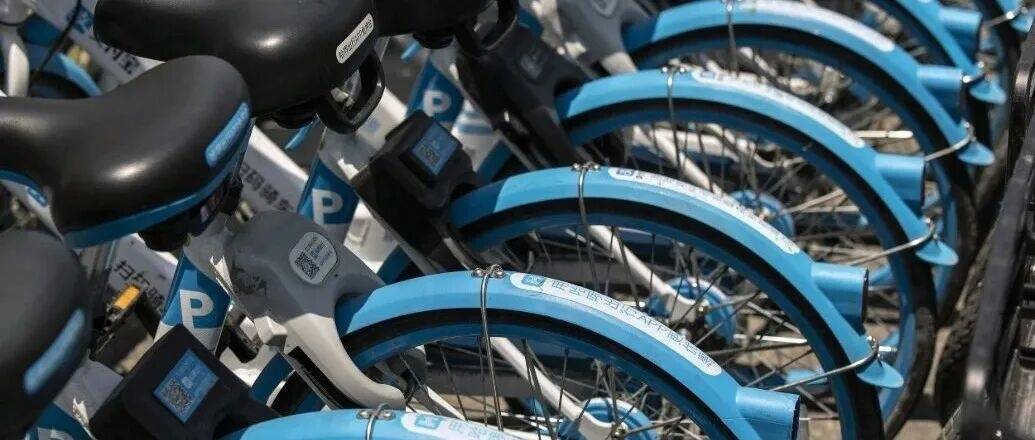
In terms of facility and equipment configuration, the standard proposes that Internet rental bicycle vehicles should have unique codes, be significantly identifiable, and be equipped with on-board intelligent terminals, and should not be equipped with additional devices that affect safe riding. Operating companies should be equipped with transportation vehicles and maintenance sites that meet the relevant requirements of the city where the operation area is located. The operation management information platform should have functions such as user management, vehicle operation monitoring, operation and maintenance personnel management, and consultation and complaint handling.
In terms of car rental and return services, the standards propose that operating companies should inform users in various ways during user registration of the groups of people who are not suitable for car rental, charging standards, recharge and refund procedures, car rental and return methods, operation and no-parking areas, complaint handling methods and other precautions. Services such as cost settlement results, balance information inquiry, and quick reporting of faulty vehicles should be provided to users through user mobile terminal software. The operating enterprise should set up a 24-hour service hotline and publicize it in a prominent position on the user’s mobile terminal software.
In terms of user information collection, storage and use, the standard proposes that operating companies should register users under a real-name system. We must follow the minimum necessary principle to ensure that the collected user information and generated business data are only used for operational services, ensure the security of information and data, and prevent information and data leakage, damage, and loss. Operating companies should conduct credit evaluations on users’ rental and return behavior.
In terms of vehicle placement, recycling and parking, the standard proposes that operating companies should formulate vehicle placement plans based on public travel needs and determine the placement scale and placement area. In accordance with the relevant requirements of the city where the operation area is located, vehicle parking areas should be set up scientifically. The parking areas should avoid firefighting, emergency and other municipal facilities, should not hinder the normal passage of vehicles and pedestrians, and facilitate vehicle transportation. Operating companies should use technical means such as electronic fences to guide users to park in a standardized manner, prompt users in advance who exceed the operating area or enter prohibited parking sections or areas, and promptly clean and transport vehicles that are not parked according to regulations.