According to CCTV News, Oleg Kobyakov, director of the Liaison Office of the Food and Agriculture Organization of the United Nations (FAO) in the Russian Federation, said in a recent interview with Russian media that obstruction of shipping in the Strait of Hormuz will lead to a reduction in global food production and supply in the second half of 2026 and 2027.
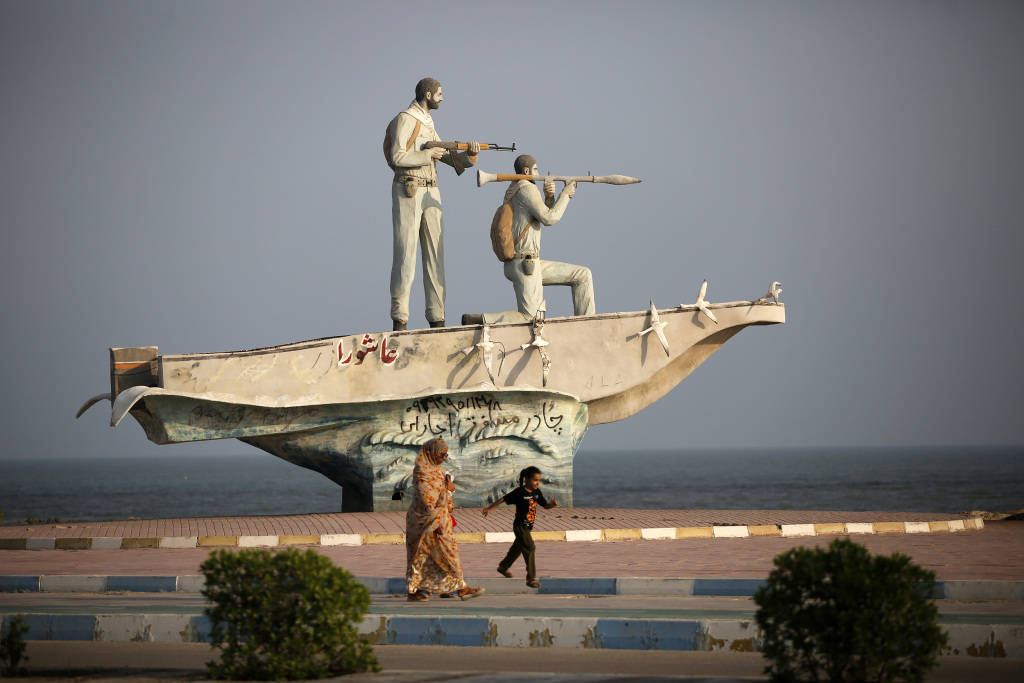
On September 12, 2026, local time, in Bandar Abbas Port, Iran, amid the ongoing tensions between Iran and the United States, people’s lives continued at the sculptures in the port along the Strait of Hormuz. Visual China Map
The Russian News Agency quoted Kobyakov as saying on the 15th that the obstruction of shipping in the Strait of Hormuz will not only affect the current grain price level, but will also drag down grain production in the subsequent agricultural season. According to FAO analysis, the chain shock caused by the crisis in the Strait of Hormuz may push up food prices, exacerbating hunger in countries and regions that are already mired in long-term or severe food crises.
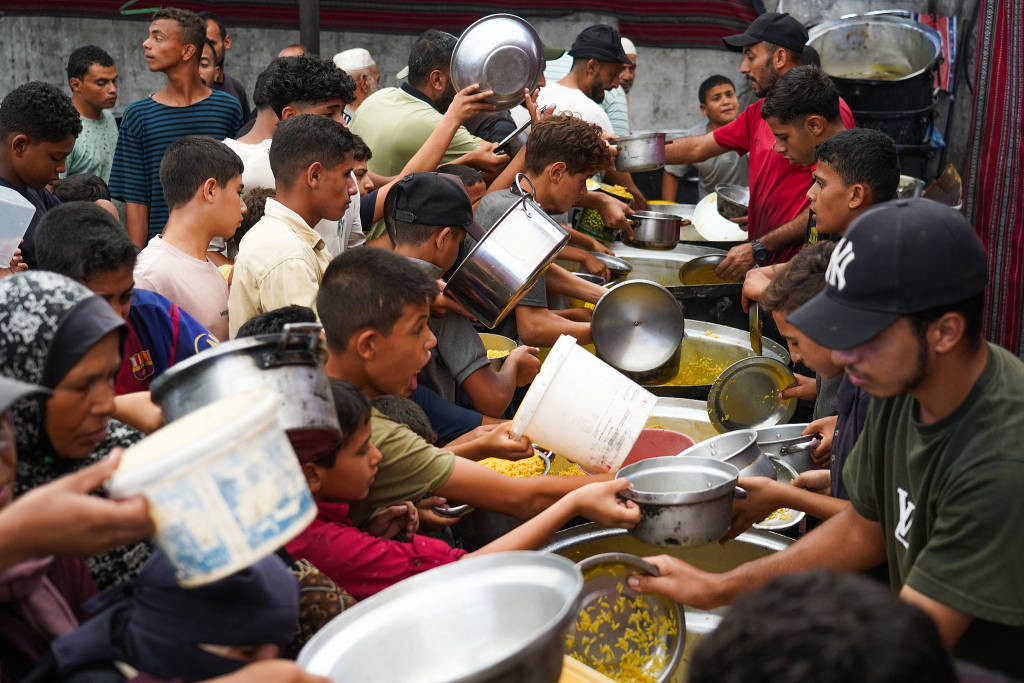
On September 9, 2026 local time, in the Gaza Strip, Palestine, a charity organization distributed hot meals to local people. Local food demand continues to rise, and humanitarian risks have intensified. Visual China Map
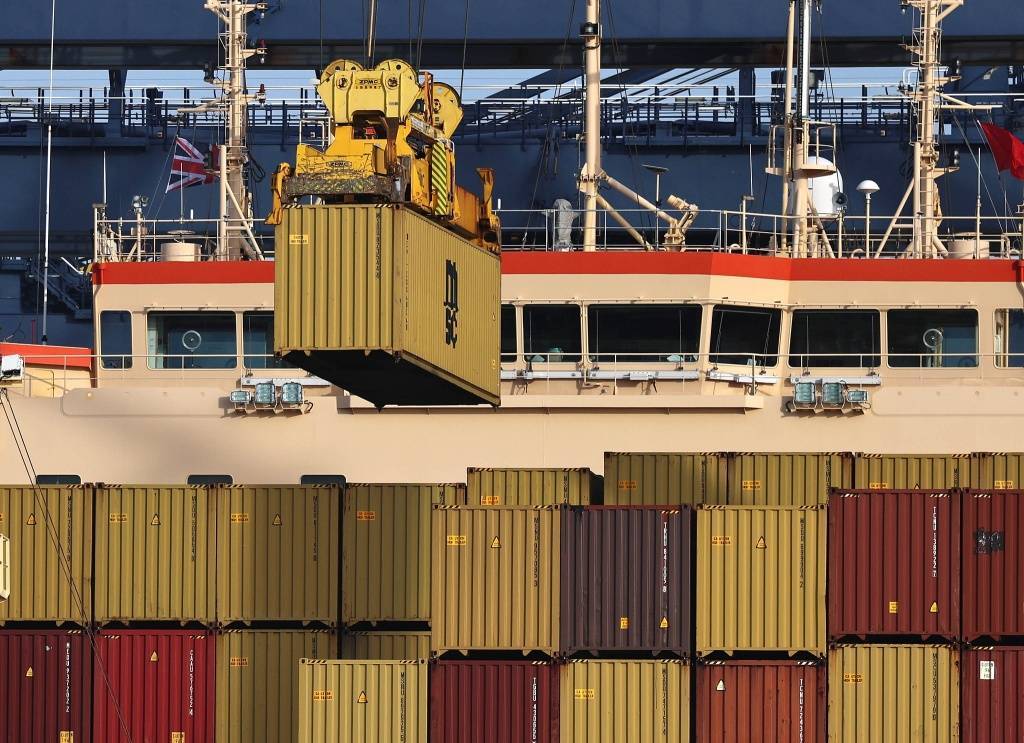
On March 11, 2026 local time, in Felixstowe, England, a container ship was unloading at the Port of Felixstowe. According to data from the International Food Policy Research Institute (IFPRI), the long-term closure of the Strait of Hormuz will affect the supply of fertilizers and food production costs. 30% of the world’s fertilizer transportation must pass through the strait. Visual China Map
Kobyakov said that agricultural production must strictly follow the crop planting cycle. If the supply of chemical fertilizers is delayed for only a few weeks, the optimal fertilizer application time may be missed, forcing farmers to reduce or even stop using chemical fertilizers completely, ultimately leading to a reduction in food production.
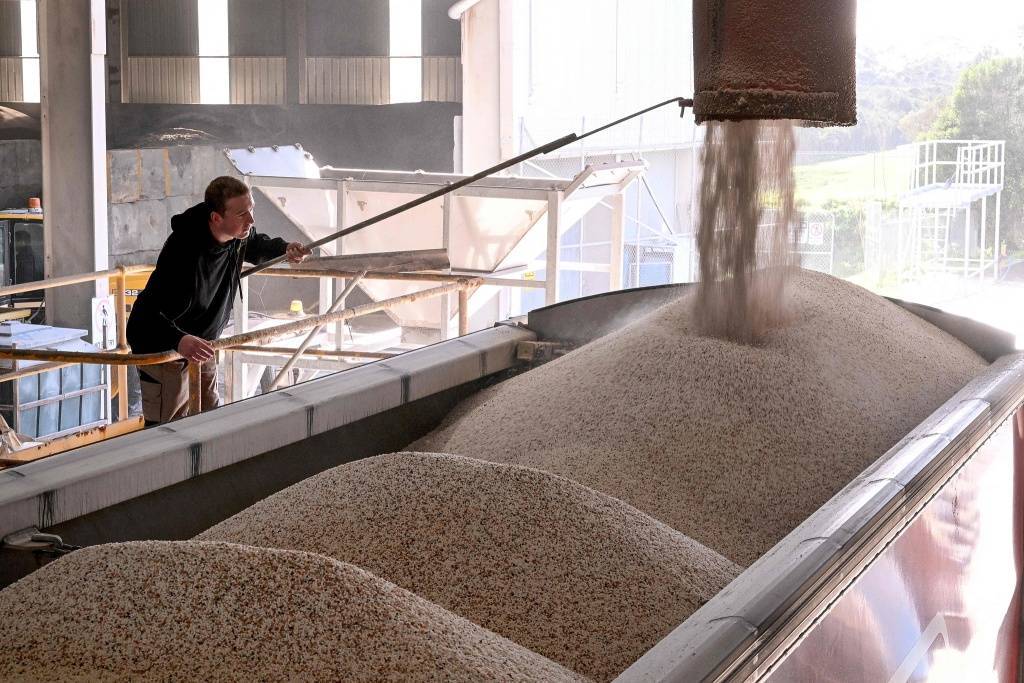
On June 22, 2026 local time, in Buffalo, Australia, workers supervised the loading of fertilizers at a fertilizer warehouse. Australia relies on imports for 90% of its fertilizers. Affected by the obstruction of shipping in the Strait of Hormuz, the country is facing a serious shortage of fertilizers. Visual China Map
An infographic titled “European Natural Gas Prices” on September 1, 2026, local time, in Ankara, Türkiye. Damage to gas fields in the Middle East, shipping disruptions in the Strait of Hormuz and low inventory levels are adding to pressure on the European market. Visual China Map
According to Xinhua News Agency, the daily ship traffic in the Strait of Hormuz was only single digits in the two days last weekend, lower than the daily average of 14 ships in the 10 days. According to ship tracking information on the 14th, within two days last weekend, 4 ships sailed out of the Strait of Hormuz, including ships carrying energy; 10 cargo ships sailed into the Strait of Hormuz.
The current situation on the south side of the Strait of Hormuz, taken in Khasab, a town in northern Oman, on June 20, 2026. Photo by Xinhua News Agency reporter Wen Xinnian
However, the above figures do not include ships that turned off their automatic identification systems when passing through the Strait of Hormuz. According to the British Maritime Trade Action Office, a ship was hit by a UFO while passing through the Strait of Hormuz on the 13th. It is unclear how the crew and ship were damaged.
On August 29, 2026 local time, in Monufia Governorate, Egypt, workers at a production facility in the Sadat area used recycled plastic to make irrigation pipes. The disruption to maritime traffic in the Strait of Hormuz has led to a severe shortage of raw materials for plastics production worldwide. Visual China Map
The Strait of Hormuz is a global shipping artery, carrying about a quarter of the world’s maritime oil trade and large amounts of liquefied natural gas and fertilizer transportation. The United States and Israel launched a military attack on Iran on February 28. The war stalemate continued to block navigation in the Strait of Hormuz, and the fertilizer supply chains of many countries and regions were affected.
On September 14, 2026 local time, in Buda, Texas, the United States, a citizen filled up with diesel at a Pilot gas station. Diesel prices are currently rising again, with the national average price reaching $6.23 per gallon. Visual China Map
In addition, Iranian Foreign Ministry spokesperson Bagaei said at a press conference on the 14th that a regional meeting to discuss the commercial shipping route in the Strait of Hormuz, originally scheduled to be held in Oman that day, was postponed at the request of Saudi Arabia. Bagaei said Saudi Arabia’s request to postpone the meeting, citing changes in the situation in Yemen, “intended to divert attention from the root causes of this crisis.” Iran believes that a fair analysis of the situation in Yemen needs to take into account the country’s history of unfair blockade and continuous aggression for more than ten years. Iran supports all parties in Yemen to reach a consensus on their own. Iran and Oman, as countries bordering the Strait of Hormuz, reached a memorandum of understanding on determining safe navigation routes after weeks of intensive negotiations.