Zebra Consumption Yang Wei
A flying leaf passed by, disturbing the two pools of water.
The wine market, which has been silent for a long time, has ushered in a new story. Since last year, liquor merchants have begun to cooperate with rice wine brands, acting as agents in regional markets and even cooperating to develop brands. This kind of cross-border cooperation has ushered in a small climax in recent months, and even directly triggered the recent daily limit of rice wine stocks.
The reasons are self-evident: the liquor market has shrunk dramatically, with sluggish sales, declining profits, and occupied funds. Liquor dealers have to find other ways to go. The longer-term challenge is that the de-distribution of the liquor market is becoming an established direction. If traditional dealers do not seek change, they will be eliminated sooner or later.
However, can rice wine be a life-saving straw for their anxiety? Although rice wine has a long history, it has a small scale, obvious regionalization, aging products, heavy branding, and single channels. The industry’s stubborn problems are still difficult to solve.
Even though the leading rice wine players have experienced growth and improved profitability in recent years through high-end and younger players, this market of only 20 billion yuan clearly cannot support the transformation expectations of big businessmen who have withdrawn from the 600 billion yuan liquor market.
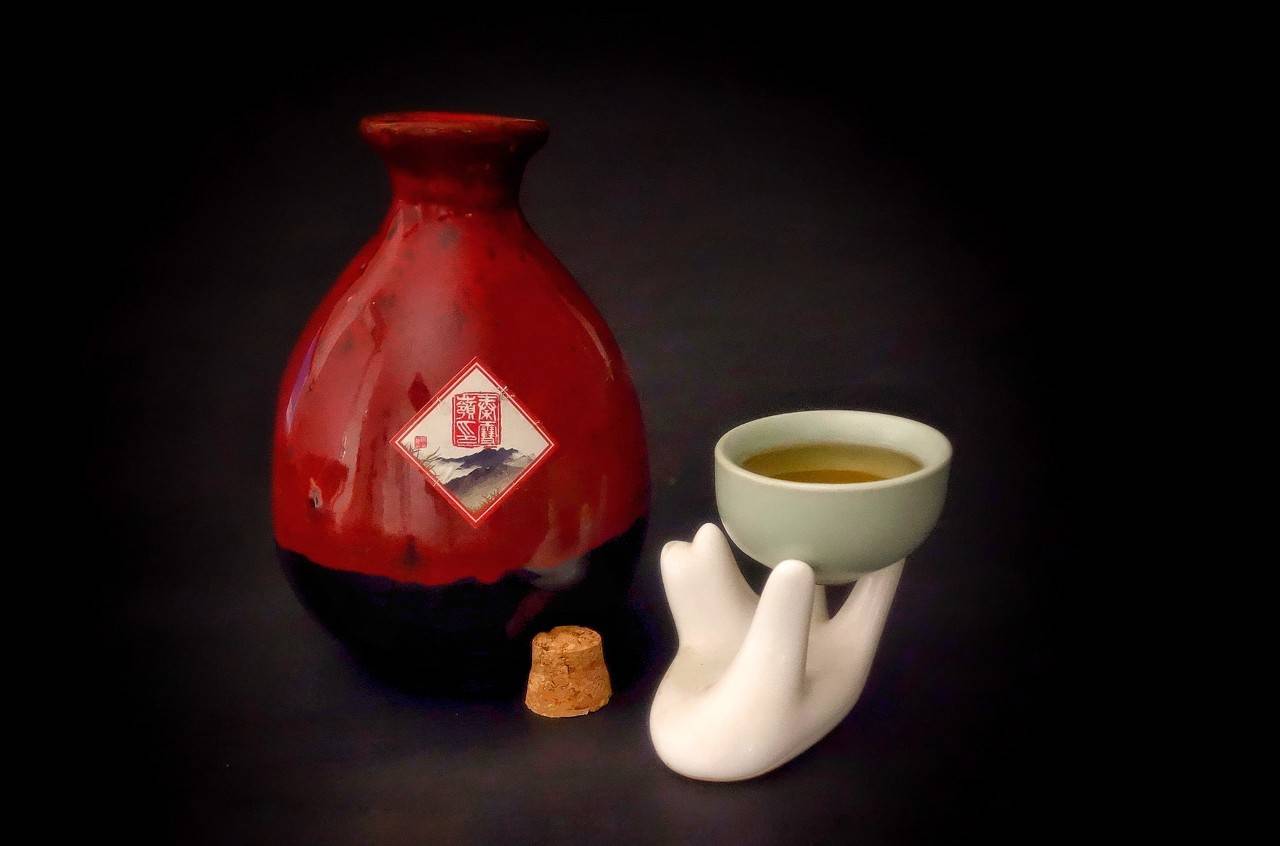
Do all the big liquor merchants want to sell rice wine?
Liquor was not easy to sell, so some big liquor merchants came up with the idea of rice wine.
In May 2025, Moutai distributor Shandong Hongfeng Trading reached a 100-million-yuan strategic cooperation with Kuaiji Shanlanting. This is almost the prelude to the big liquor merchants embracing rice wine in recent years.
At that time, the market did not pay much attention to it. It wasn’t until a year later that rice wine giants started competing for major liquor merchants across the country.
In April 2026, Henan Mao Wujian, the top famous wine merchant in the Central Plains, went a step further and established a joint venture with Kuaijishan “Huijishan Yuannian” subsidiary. Henan Maowujian led the nationalization of the Yuannian sub-brand and also operated the Lanting Henan market.
After that, Kuaijishan successively signed contracts with major liquor merchants in Northeast China, Sichuan, Beijing, Nanjing and other places, focusing on promoting the nationalization of its high-end brand Lanting. As of September 2026, more than ten leading liquor merchants in the country have been signed.
Guyue Longshan did not hesitate to give in. It first entered the capital and reached a strategic cooperation with Beijing Sugar, Tobacco and Liquor Group, and directly competed with Kuaijishan for the Beijing rice wine market. A few months later, it jointly developed Amber Light with Guangdong Yueqiang Liquor and Chongqing Agricultural Materials in the southern market.
In recent years, a large number of liquor dealers have withdrawn from the liquor market. Financial reports show that from 2024 to the first half of 2026, the number of dealers of 20 listed liquor companies decreased by more than 6,000. If coupled with the decrease in dealers of unlisted liquor, the total industry volume will be a very exaggerated figure.
These big businessmen, who have been immersed in the liquor market for many years, generally do not withdraw from the alcohol market directly. Instead, they change tracks and rush to beer, rice wine, red wine, foreign wine and other fields, or enter new tracks such as domestic whiskey.
Among them, the most well-known story is that Wang Xiaozhuo, a big liquor merchant, founded Schinbach, one of China’s most high-end beer brands, in Northeast China. Most of Simbach’s dealers in various provinces are liquor dealers in Wang Xiaozhuo’s social circle.
Previous industry news also showed that Laizhou Whiskey, a subsidiary of Bairun Co., Ltd., has regarded liquor dealers as one of its key development directions. Since last year, a large number of liquor dealers have been invited to visit the Laizhou Distillery.
It is not uncommon for distributors to cross borders in the food, beverage and alcohol markets. In the past year or so, big liquor merchants have been investing in rice wine, which has attracted widespread attention. The main reason is that liquor dealers actually value the business of rice wine, which is three melons and two dates. Why is this?
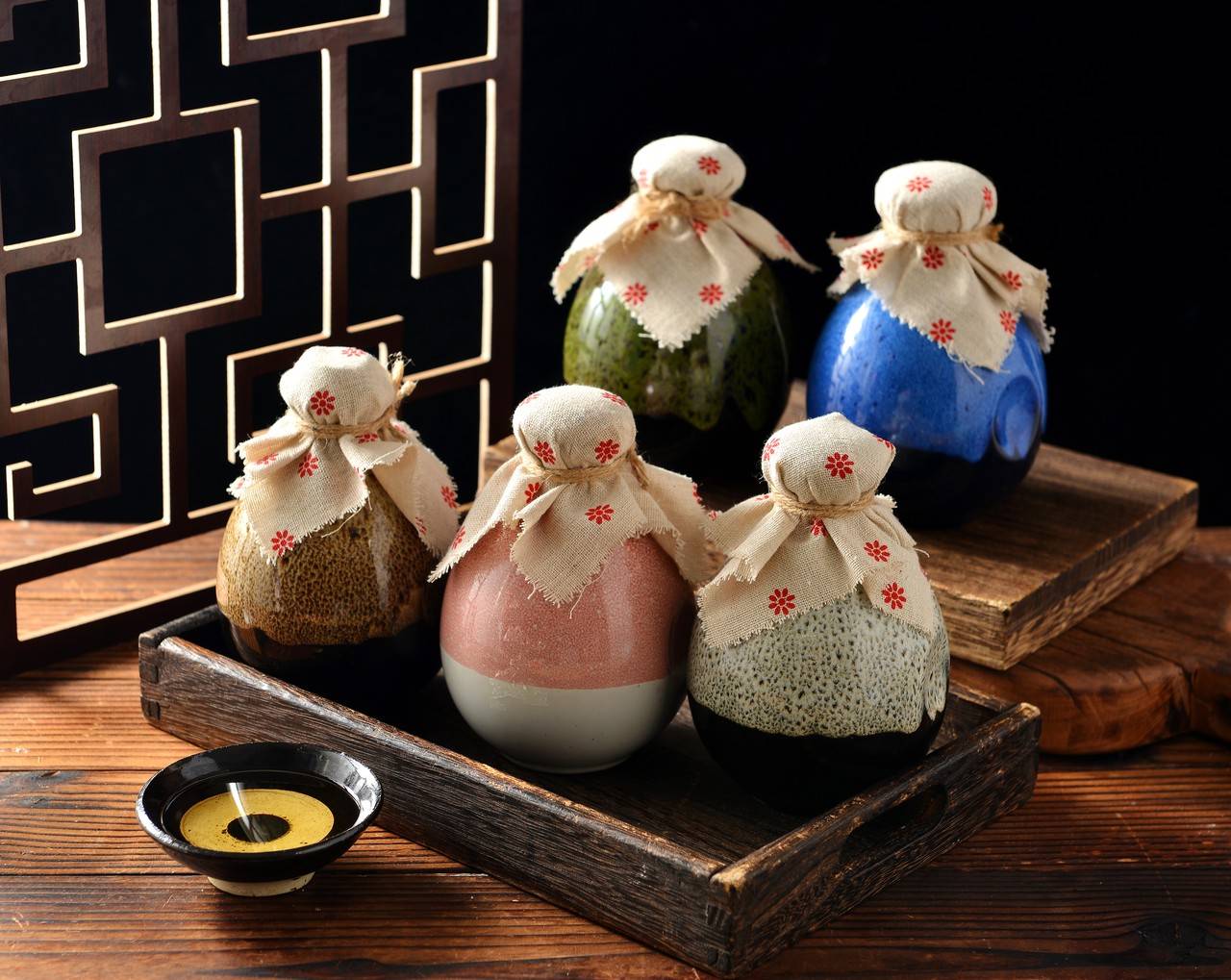
Liquor doesn’t need traditional distributors?
From January to June 2026, the cumulative output of liquor above designated size nationwide was 1.679 million liters, a year-on-year decrease of 4.7%; the 20 A+H-share liquor listed companies had a total operating income of 200.44 billion yuan in the first half of the year, a year-on-year decrease of 6.7%.
The “2026 China Liquor Market Mid-term Research Report” released by the China Liquor Industry Association in June showed that the liquor industry as a whole still faced triple pressures of shrinking sales volume, sales volume, and profit margins in the first half of the year.
According to the survey, among terminal stores, nearly three-quarters of the decline in sales and customer unit prices accounted for, and more than 86% of profits shrank; the number of terminal stores shrank by nearly 62%.
The market has shrunk, but the liquor industry’s top-down stock-pressing distribution model has not achieved fundamental reversal. Brands have concentrated the pressure of stockpiling and sales on channels, putting dealers under tremendous pressure.
In this round of industry adjustment that is more drastic than that between 2013 and 2015, the liquor market has shrunk, no money has been made, and a large amount of funds have been taken up, forcing liquor dealers to consider their own way out.
Faced with market pressure, the leading brands that have the right to speak in the liquor market have promoted direct sales. Traditional distribution seems to have become a useless channel that is tasteless and a pity to abandon.
Taking Kweichow Moutai as an example, its ability to carry goods due to its brand value and smooth i-Moutai and other channels have allowed the company’s direct channel revenue to account for more than 57% in the first half of 2026.
As the price of Feitian Moutai stabilizes and Kweichow Moutai restarts its price adjustment strategy, the overall profit margin of Moutai dealers is showing a compression trend.
Even though other large liquor brands have not set direct operation as their expected goal, most of them are actively promoting the channel construction of BC integration. In the past, more emphasis was placed on the quantity and quality of dealers, but now more emphasis is placed on terminal coverage.
Dealers have transformed from the core force of buyout sales to service providers for the majority of liquor terminals. This puts forward higher requirements for dealers. They must not only have terminal control capabilities and the ability to reach mid-to-high-end circles, but also need to have regional market landing and service capabilities.
Under this new situation, the living space of traditional liquor dealers has been further squeezed. Even if they are not passively eliminated, many liquor dealers will choose to actively exit the market and try to enter other markets with more room for survival.
So, can rice wine be a life-saving straw for big liquor merchants?
Can liquor dealers sell rice wine well?
Although liquor and beer now occupy most of the drinking scenes of Chinese people, rice wine is the oldest wine in China, with a history of 2,500 years, and is known as one of the three major fermented wines in the world.
Almost every one of the leading rice wine companies that has developed to this day has profound industrial accumulation. Kuaijishan owns four major brands and three bases: Kuaijishan, Lanting, Xitang, and Wu Zhanmao; Guyuelongshan owns five major brands: Guyuelongshan, Jianhu, Nuerhong, Zhuangyuanhong, and Shen Yonghe, including two “China Famous Trademarks” and four “Chinese Time-honored Brands.”
However, the rice wine market generally has problems such as small scale, regional nature, aging brands, traditional products, and single channels, which are difficult to recover from.
In 2025, the industry estimates that the rice wine market size will be approximately 20 billion yuan, and the consumer market is concentrated in a few regions such as Jiangsu, Zhejiang, Shanghai, and Guangdong and Fujian. In the perception of quite a few people, rice wine is even regarded as a seasoning.
Judging from industry data, rice wine is not as good as liquor and beer in terms of growth over the past five years and expectations for the next five years.
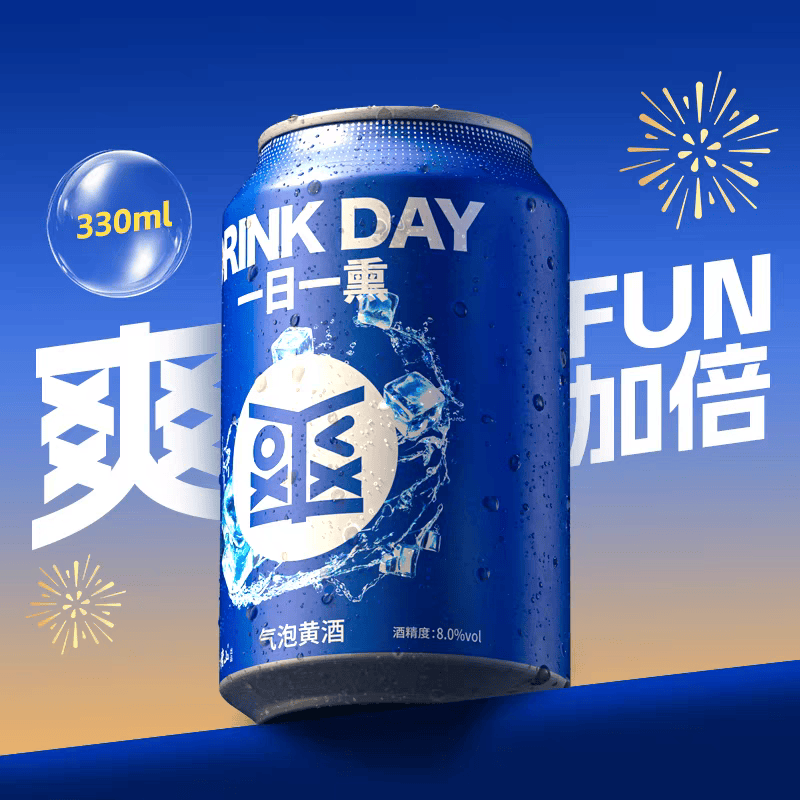
In recent years, Kuaijishan and Guyuelongshan have actively promoted high-end and youth development. As representatives of high-end rice wine, Lanting and Guojiang have begun to emerge in the business scene. This time, the two rice wine giants have joined hands with the big liquor merchants to focus on promoting these two series. In the direction of youth, Kuaiji Mountain has sparkling rice wine, and Guyuelong Mountain has produced products such as Wu Gao Liao, rice wine and fruit wine.
Thanks to the efforts of the two giants, the rice wine market has indeed achieved rare growth and improved profitability amid the depression of the alcohol market through the high-end and younger products, brand image upgrades and the development of Internet channels.
Among them, Kuaiji Mountain has surpassed Guyue Longshan to become the new leader in rice wine with the help of Lanting, which is considered to be one of the biggest attractions in the rice wine market in recent years.
However, in the final analysis, this is still squeezed growth and structural prosperity. Under Kuaiji Mountain and Guyuelong Mountain, the shrinking business of Jinfeng Liquor Industry under Guangming in recent years has revealed the cruel background of the rice wine industry.
Moreover, rice wine has stronger consumption attributes. Except for a few high-end single products such as Lanting and Guobiao, the price range of most products is biased toward grain wine; they are deeply tied to the catering channel, which is similar to the ready-to-drink channel in the beer market. These key points make the rice wine and liquor markets vastly different, and the reuse rate of channels and experience is not high.
Therefore, the liquor merchants rushing to the rice wine market may be a futile attempt to seek medical treatment for their illness.
In general, the rice wine market is small and highly regional. Products, brands, and channels still require a long-term layout to reverse the current situation, and cannot bear the unrealistic expectations of the entire wine market.