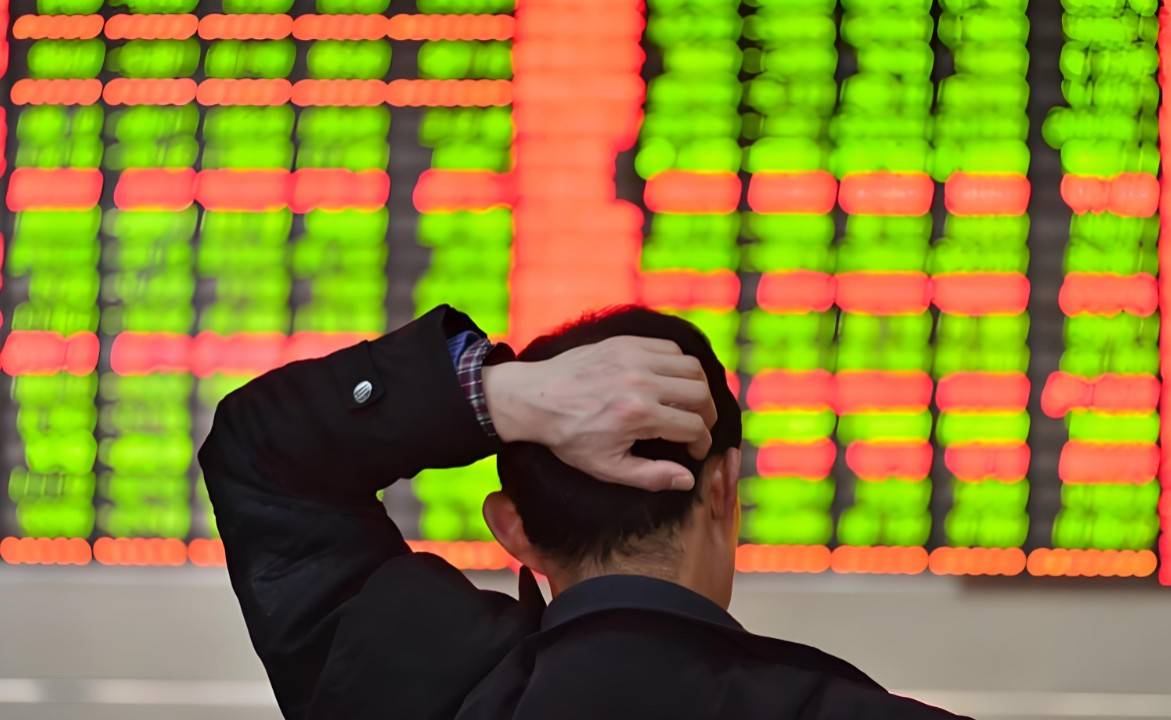
A VP-level sponsor representative from the investment banking department of a securities firm in Lujiazui, Shanghai. When his year-end bonus arrived last year, he stared at the numbers for a long time.
The number was seven digits the year before last, and it was discounted in half last year. This year, the deferred portion was issued. Whether the rest can be taken depends on whether the project can pass the meeting and whether it can be issued. He has three projects under review, two are stuck in the inquiry stage, and one has withdrawn its materials. The team followed the one who withdrew the materials for eleven months.
“In the past, there were too many projects to be completed, but now there are too few projects to be completed,” he said.
The salary cuts in the investment banking department will not start this year. But this year, it’s down to the bone.
——
From “gold collar” to “basic salary”
Investment banking used to be the highest-paid department in the brokerage system. For a mature sponsor representative, the starting price is a basic salary plus project commission, with an annual income of one million. It is not news that the MD of an investment bank at a leading brokerage has an annual salary of tens of millions.
In 2026, this narrative ends.
The investment banking departments of many brokerages have launched a new round of salary adjustments this year. Basic wages have been reduced by 10% to 30%, year-end bonuses have shrunk significantly, and some brokerages have increased the bonus deferral ratio from 40% to more than 60%, and extended the deferral period to three years. An investment banker revealed that the per capita salary in the investment banking department of a leading brokerage in the first half of this year dropped by more than half from the high point in 2021.
The more immediate changes are on the recruiting side. In 2026, the number of school recruitment places for the investment banking department of securities companies has been reduced by more than 40% compared with last year, and social recruitment has basically been frozen. Some headhunters said that the volume of resume submissions for investment banking positions is dozens of times the number of positions. “In the past, we chased candidates, but now candidates queue up and wait for an interview opportunity.”
The qualification of a sponsor representative was once a hard currency in the investment banking circle, and the affiliation fee was hundreds of thousands a year. Now, the qualification is still there, but the project is gone.
——
Where did the project go?
The direct reason for the salary reduction is written in the exchange’s acceptance data.
In the first three quarters of 2026, the number of companies accepting A-share IPOs dropped by more than 60% compared with the same period last year. Refinancing projects also shrank, and the issuance scale of fixed-income and convertible bonds declined significantly year-on-year. Investment banks’ source of income – underwriting and sponsorship fees – has shrunk along with the projects.
Behind the reduction in projects is the change in the pace of review. Since 2024, regulatory review of IPOs has become more stringent, the proportion of on-site inspections has increased, and the number of companies withdrawing materials has hit a new high. A group of companies that had previously been lined up actively or passively withdrew, and the pool of projects under review by investment banks continued to shrink.
A managing director of an investment bank put it very bluntly: “In the past, projects were chosen, but now projects are chosen by us. There are only so many projects that can pass, and dozens of securities firms are competing for them. The price war has caused the underwriting rate to fall below the cost line.”
The decline in underwriting rates is more damaging than the reduction in projects. In the past, the underwriting and sponsorship rates for an IPO project were usually between 5% and 8%. Now, the rates for some projects have dropped below 2%, and some brokers have even quoted “floor prices” to get the projects. With fewer projects and lower rates, the income curve of the investment banking department is a double kill.
——
誰在離開
The consequences of salary cuts are first reflected in personnel turnover.
Since 2026, the voluntary turnover rate of investment banking practitioners has increased significantly. There are roughly three types of destinations: going to a listed company to be a board secretary or financial director, going to PE/VC to make investments, and leaving the financial industry completely.
A person who switched jobs from an investment bank to work as a board secretary in a company to be listed said that his salary was reduced by one-third, but “at least I no longer have to worry about the project being rejected and the bonus being lost.” High salaries in investment banks are essentially project-based, highly fluctuating incomes. When the projects themselves become scarce, the base for high salaries disappears.
The mentality of those who stay is also changing. Some investment bankers said that in the past, everyone was talking about “how many projects were done this year and how many bonuses were received”, but now they are talking about “which group is still recruiting people and which brokerage is still deferred.” In the tea room of the investment banking department, the most discussed topic changed from projects to layoff lists.
The more subtle changes are on the side of fresh graduates. Investment banking was once the first choice for finance graduates from prestigious schools. In 2026, this first choice is being re-ordered. At a school recruitment briefing held by a leading securities firm, the most frequently asked question by students changed from “career development path” to “can this year’s bonus be paid on time?”
——
Not just investment banks
Salary cuts at investment banks are part of the overall contraction of the securities industry.
The brokerage business has experienced weak revenue growth under the dual pressure of continued downward commission rates and shrinking trading volumes. After the asset management business has transformed into a net worth business, the space for management fees has been compressed. Self-operated business is affected by market fluctuations and earnings are unstable. Investment banking used to be one of the few high-growth businesses of securities firms, but now it is also slowing down.
In the first half of 2026, the overall salary level of listed securities firms continued to decline compared with the same period last year, and some small and medium-sized securities firms saw salary reductions greater than the top. Some brokerages have increased the proportion of fixed remuneration and reduced the proportion of variable remuneration. Essentially, they have changed the “high volatility and high return” model into “low volatility and low return”. For practitioners, this means that investment banking is no longer an industry that “does not open for three years, but lasts for three years after opening”.
A sponsor representative who has worked in an investment bank for 12 years said that he has experienced IPO suspensions, bear markets, and registration system reforms, “but he has never experienced simultaneous contraction of the project side and the salary side.” It used to be cyclical, just get over it. This time, he wasn’t so sure.
——
The salary reduction in the investment banking department is not an isolated human cost adjustment.
It is the result of changes in the pace of IPOs, falling underwriting rates, and intensifying industry competition. With fewer projects and lower rates, people will naturally become less expensive. Those investment bankers who once relied on project commissions to support their annual salaries of millions are re-learning one thing: how to calculate the value of a job when projects no longer come in a steady stream.
Related Reading
- Original Zhang Hongchao’s Mixue Bingcheng is quietly turning into a supply chain company2026-10-24
- Hongguo, which has a monthly activity of 368 million, no longer needs “wool users”?2026-10-24
- Behind the five reminders, what calculation did Starbucks make?2026-10-24
- 100 billion, “smashed” at Liang Wenfeng2026-10-24
- U.S. deficit nears $2 trillion as government spending keeps climbing2026-10-17