During the National Day holiday, “whether to use disposable seat covers on high-speed trains” once again aroused heated discussion among netizens. People’s Daily Health Client reporter learned that when taking public transportation such as high-speed trains and airplanes, some passengers will bring their own disposable seat covers to cover the seats from head to toe to prevent possible skin infections. At the same time, a picture circulated online further aggravated public concerns, saying that “high-speed rail seats” were listed as the primary source of HPV (human papillomavirus) infection.
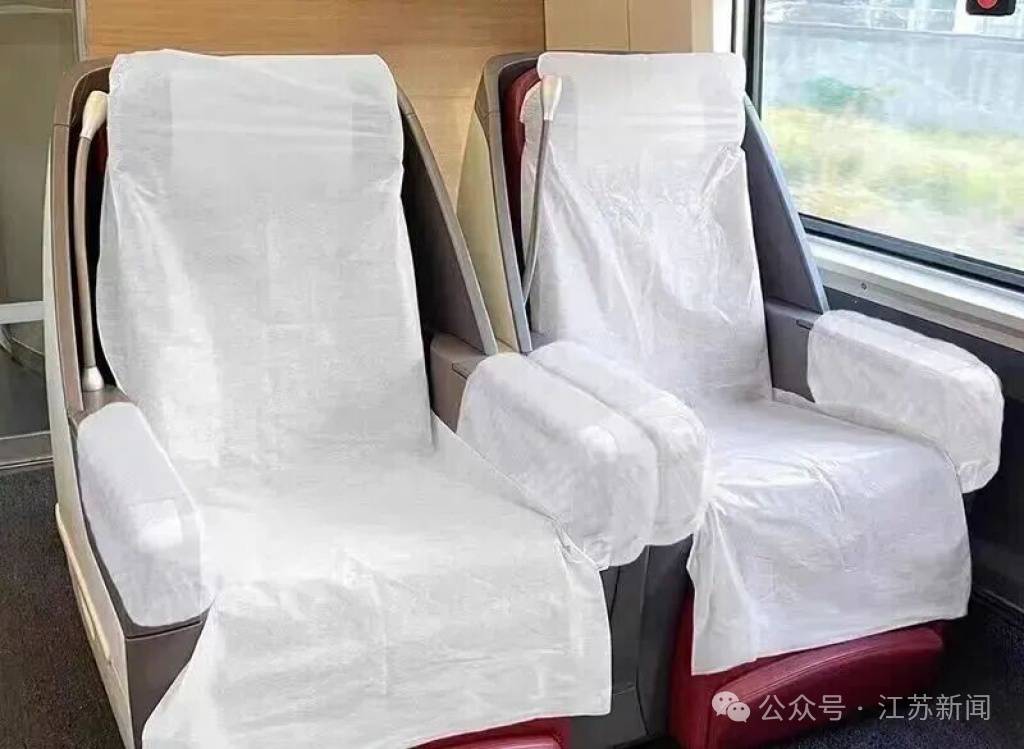
Disposable high-speed rail seat covers. Southern Network Photo
Recently, related topics have also become hot searches.

On October 3, Li Tong, chief physician of the Department of Infectious Diseases at Beijing You’an Hospital affiliated to Capital Medical University, made it clear in an interview with reporters that chart information posted online was unreliable and the public did not need to panic. Li Tong once further explained that seats and small tables on public transportation may indeed have a large number of bacteria and even fungi remaining, but HPV is relatively fragile in the environment, especially on dry surfaces. It has a short survival time, and it is difficult to have live viruses on surfaces such as seats and knitted fabrics. HPV is basically infected through sexual contact or close skin contact, and the probability of transmission through the environment and objects is extremely low.
Regarding the data chart uploaded online, Li Tong once analyzed that it is possible for similar studies to detect HPV nucleic acid on surfaces such as hotel toilets, but the detection of nucleic acid does not mean that there is live virus, complete virus, or contagiousness. At present, no official agency has reported any cases of HPV infection in public seats, which makes no sense in theory. If the data on the picture is real, it at most indicates that nucleic acid fragments, not live viruses, have been detected.
However, the risk of pathogen transmission from public tray tables is not entirely zero. Wang Chun, deputy chief physician of the Dermatology Department of Southwest Hospital of Army Medical University, also reminded that the risk of infection is closely related to individual conditions. People with poor resistance or underlying diseases (such as diabetes) are more likely to get sick after exposure; those with damaged skin barriers, those who have recently shaved or rubbed a lot, and those who sit and sweat for a long time in hot and humid environments have a relatively increased risk of exposure. If you belong to the above group of people, it is more recommended to practice physical isolation and hand hygiene when traveling to reduce the impact of accidental exposure.
Is it useful to wipe the tray table with alcohol and cover the seats with disposable seat covers? Li Tong once said that these practices are more of a psychological effect and have a certain effect on preventing bacterial and fungal infections, but they have a very weak effect on reducing the risk of HPV infection. If there is a wound on the skin, the correct approach is to cover it with a band-aid or sterile gauze to avoid contact with bacteria and fungi in the environment. People with damaged or sensitive skin can wear long pants and long skirts and avoid direct contact with seat surfaces; wash hands frequently after touching public handrails and seats, especially before meals and after using the toilet.
How to reduce the risk of infection when traveling during the National Day holiday? Li Tong once gave advice:
First, get vaccinated and avoid unsafe sex. People of appropriate age should be vaccinated against HPV. At present, the country has launched a free HPV vaccine program for girls of appropriate age. At the same time, avoiding unsafe sexual behavior is the most effective way to prevent HPV. High-risk groups such as the elderly and those with low immunity can also be vaccinated to prevent corresponding diseases.
Secondly, do a good job in daily hygiene protection. Pay attention to cough etiquette, open windows for ventilation, and wear a mask in crowded places with poor air circulation; wash your hands after contacting public facilities, especially before meals and after using the toilet. People at high risk of severe influenza, such as the elderly, pregnant women, and those with low immunity, can just wear masks when there are crowds of people.
Related Reading
- Norway plans to temporarily ban the use of AI glasses in certain places2026-10-06
- During the holidays, it is recommended not to post these 7 types of photos on Moments!2026-10-06
- ‘Like I didn’t exist’: Former Disney CEO explains why he doesn’t visit the theme parks2026-10-06
- FBI arrests alleged Chinese agent at LAX after she allegedly surveilled son of Taiwanese president2026-10-05
- victims identified after Georgia homecoming shooting as police appeal for help2026-10-05