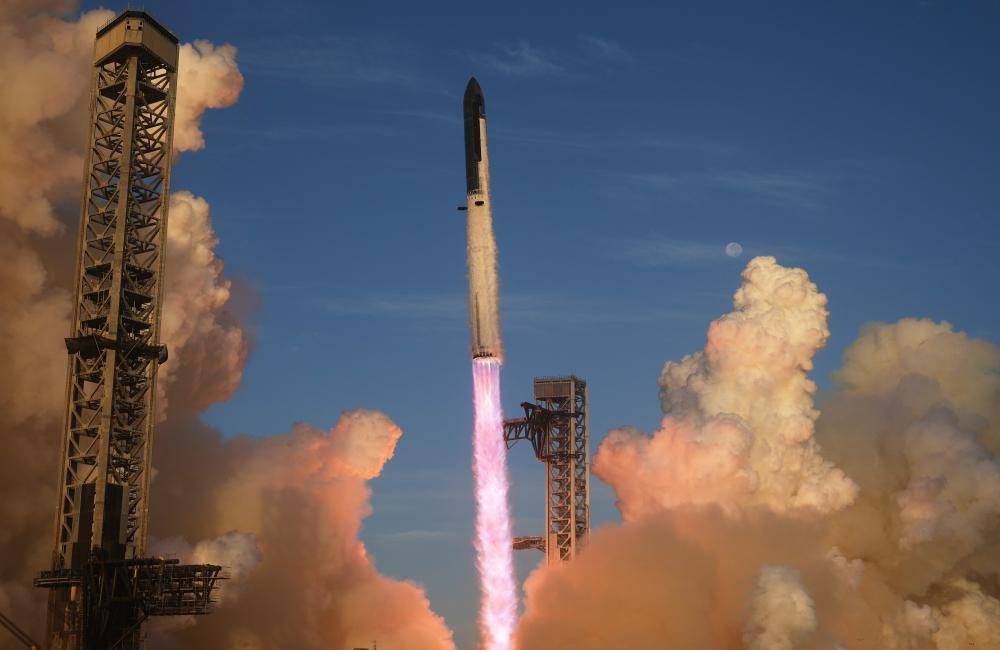
The U.S. Space Exploration Technology Company’s “Starship” spacecraft achieved its first Earth orbit flight on the 28th. However, due to early shutdown of the engine during the ascent stage, the mission team decided to shorten the “Starship” in-orbit flight time and end it earlier than originally planned.
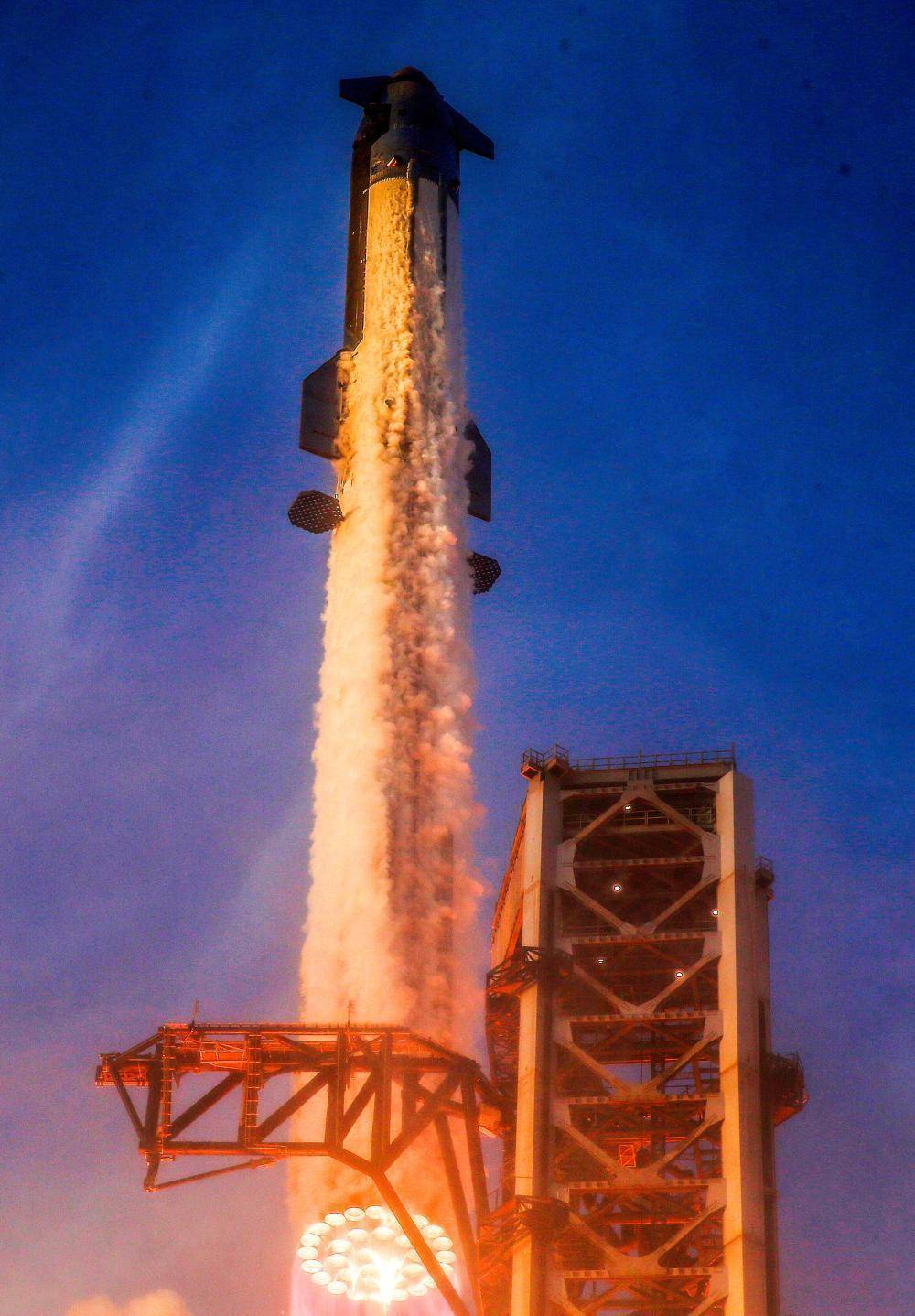
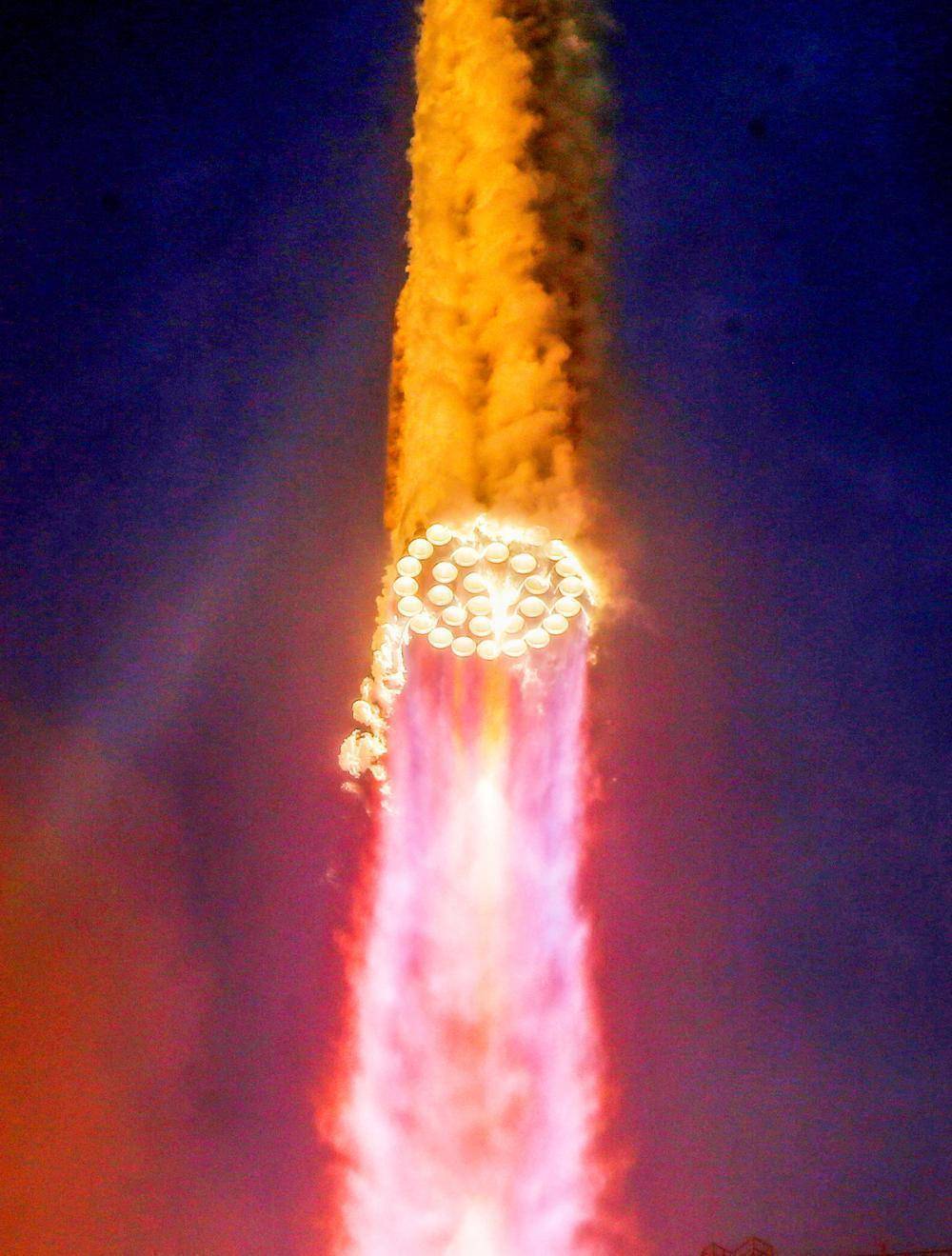
At 7:48 U.S. Central Time on the 28th (20:48 Beijing time on the 28th), the “Starship” took off from the launch base in southern Texas. After launch, all 33 “Raptor 3” engines of the rocket’s first-stage “Super Heavy” booster were ignited, but one of the engines shut down during the ascent. After that, the first and second stages of the rocket separated. The Super Heavy booster then made a controlled splashdown in the waters near the Gulf of Mexico.
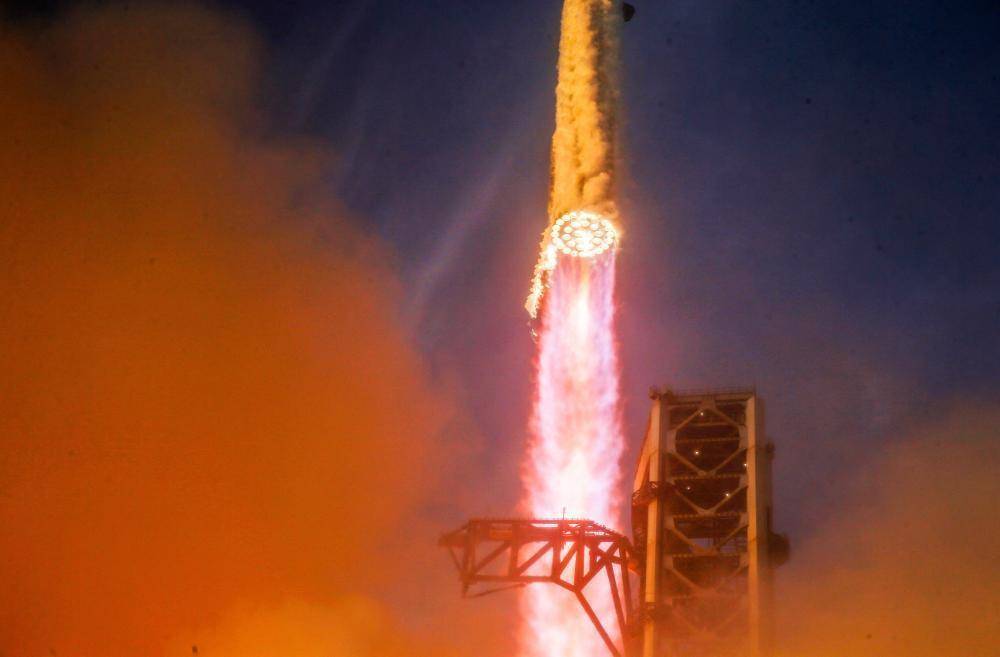
During the ascent of the second-stage “Starship” spacecraft, one of its six “Raptor” engines shut down early. “Starship” compensated for the loss of thrust by extending the combustion time of the remaining five engines and still entered suborbital space as planned.
Afterwards, the mission team evaluated the “Starship” and confirmed that the three sea-level “Raptor” engines required for subsequent operations were in good condition, and decided to continue the orbit-entry operation. The “Starship” completed orbital ignition and entered orbit around the Earth for the first time. Subsequently, “Starship” deployed 26 new-generation “Starlink” V3 satellites in orbit for the first time.
After completing the satellite deployment, the “Starship” entered the orbiting stage around the earth. SpaceX said that due to engine problems during the ascent, the team decided to shorten the “Starship” in-orbit flight time from about 10 hours to about 3 hours as originally planned. After that, the “Starship” performed its first deorbit ignition, leaving the Earth’s orbit and reentering the atmosphere, splashing down in a predetermined area in the North Pacific.
This is the 14th test flight of “Starship”. This mission achieved earth orbit for the first time and completed key links such as orbital ignition, on-orbit deployment of satellites, deorbit ignition and re-entry into the atmosphere. It accumulated important flight data for the complete and rapid reuse of “Starship” in the future.
The “Starship” rocket has a total length of about 120 meters and a diameter of about 9 meters. It consists of two parts. The first stage is a “super heavy” booster about 70 meters long, and the second stage is the “Starship” spacecraft. The rocket is designed to carry people and cargo to Earth orbit, the moon and even Mars.
Related Reading
- Ahead of rare execution, lone woman on Tennessee death row says ‘I am at peace’2026-09-29
- Beihai Park Liuli Pavilion officially opens, and the West Heaven Brahma Realm makes its first complete appearance2026-09-29
- Spokesperson of the Iranian Revolutionary Guards: The United States must admit defeat if it wants to end the war2026-09-29
- The underlying logic of the big promotion has changed dramatically: AI has more say than advertising, reshaping the competitive landscape of Double 11 merchants2026-09-29
- Private hospitals put dental supplies on the table2026-09-29