A few days ago, Variety, a well-known Hollywood industry media, released a survey on TV actors’ salaries that shocked the industry. The title was straightforward: “TV’s Biggest Salaries Revealed.” This report reveals the most secretive corner of the ledger in the streaming media era: Although the “peak TV” bubble has long burst and drama bookings have shrunk across all major platforms, the handful of names at the top of the pyramid are still refreshing the salary ceiling of the small screen.
“Big stars = big events”
The investigation produced a list of more than 20 A-list Hollywood stars, all of whom earned at least US$1 million per episode. Among them, Jennifer Aniston and Reese Witherspoon tied for the top spot with “Morning News,” earning about $2 million per episode. Sylvester Stallone stars in “The King of Tulsa” for the same price, and Chris Pratt joins the same echelon with “The List.” Following closely behind were Kenneth Branagh (1.4 million), Harrison Ford and Jason Segel (1.3 million), and Cole Hauser and Kelly Reilly of “Yellowstone” spin-off “Dutton Ranch” (1.2 million). On the “passing line” of one million dollars, there are also a long list of names usually associated with movie red carpets, including Anna Sawai, Nicolas Cage, Robert De Niro, Selena Gomez and Zendaya.
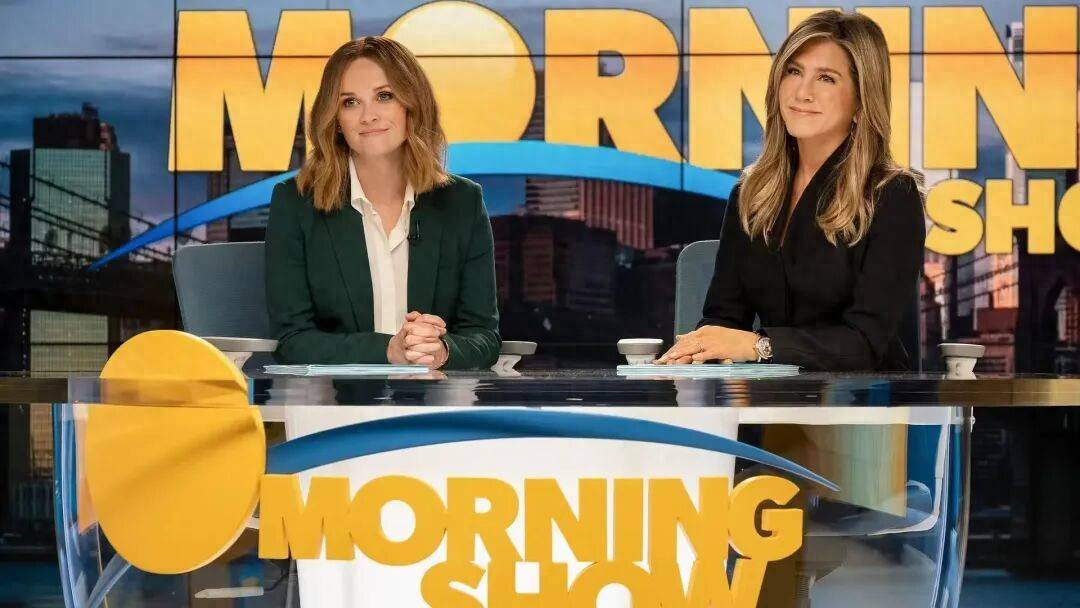
“The Morning News” filmed by Jennifer Aniston and Reese Witherspoon, the highest-paid actors
What’s interesting about this list is not how astonishing the numbers themselves are, but the structural changes it reveals: The once solid class barrier between Hollywood’s “movie stars” and “TV stars” has completely collapsed under the continued erosion of streaming media.
An unnamed agent told Variety: “The demand for stars who can carry dramas is greater than ever. In the past, it was unheard of for someone to pay $2 million for an episode.” The subtext of this sentence is that in the war for user attention, streaming media platforms have regarded “stars” themselves as the most direct and quantifiable customer acquisition costs. Apple TV+’s heavy investment in Aniston and Witherspoon is not so much about buying their acting skills as it is about buying the audience they represent, which still believes that “big stars = big events”. The aggressiveness shown by Apple TV+ in bidding is widely regarded by the industry as a key force in driving up top TV paychecks, with HBO and Amazon following closely behind.
However, if we only understand this phenomenon as the inertial continuation of the platform’s money burning, we will miss the more subtle changes in industry logic. Another aspect of this salary list is about how the definition of “work” is being rewritten in Hollywood. For stars over fifty or even seventy, the number of leading roles available to them in the film industry is shrinking dramatically. The 80-year-old Stallone plays a gangster exiled to Oklahoma in “The King of Tulsa” and the 80-year-old Harrison Ford plays an aging psychiatrist in “The Honest Clinic.” These roles have almost disappeared in the mid-budget dramas of traditional studios. TV series, especially six- to ten-episode limited series or short-season series on streaming platforms, offer them a decent and well-paid haven.
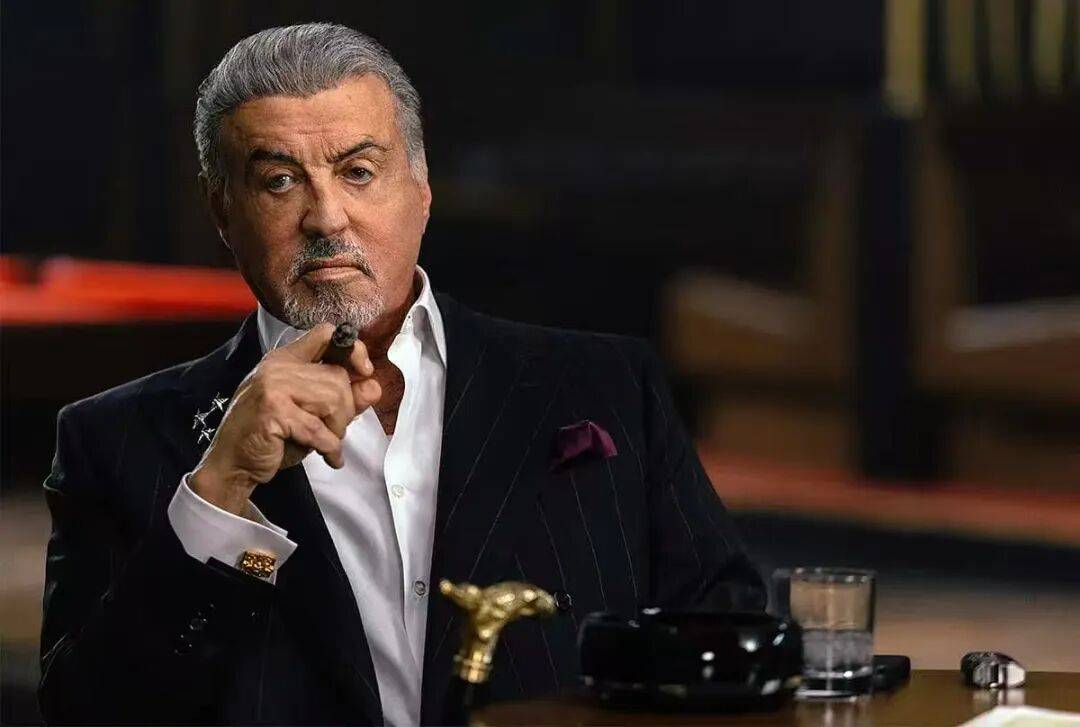
“The King of Tulsa” starring Stallone
At the same time, the reduction in work intensity is another key to attracting movie stars to “come down to earth”. The quarterly order of twenty-two episodes in the broadcast network era has long been a thing of the past, and has been replaced by a shooting cycle that is closer to that of a very long movie. An industry insider pointed out: “Every star is now thinking about how to carry a drama. If you are the first or second person on the cast, life has never been so easy from a financial point of view.” This flexibility is also reflected in the loosening of “exclusivity clauses.” In the past, TV network contracts strictly prohibited actors from filming other series at the same time. Now as the number of episodes in a single season has shrunk, producers have become more tolerant of stars’ “cross-drama runs” – Nicole Kidman’s appearance in multiple limited series at the same time in the past two years is a footnote to this change.
Of course, the salaries of these top actors exposed this time are essentially an analysis of industry salaries and market trends, rather than audited disclosures based on public financial documents. Its core source of information is anonymous sources within the Hollywood agent circle, supplemented by reporters’ cross-corroboration of known contract information.
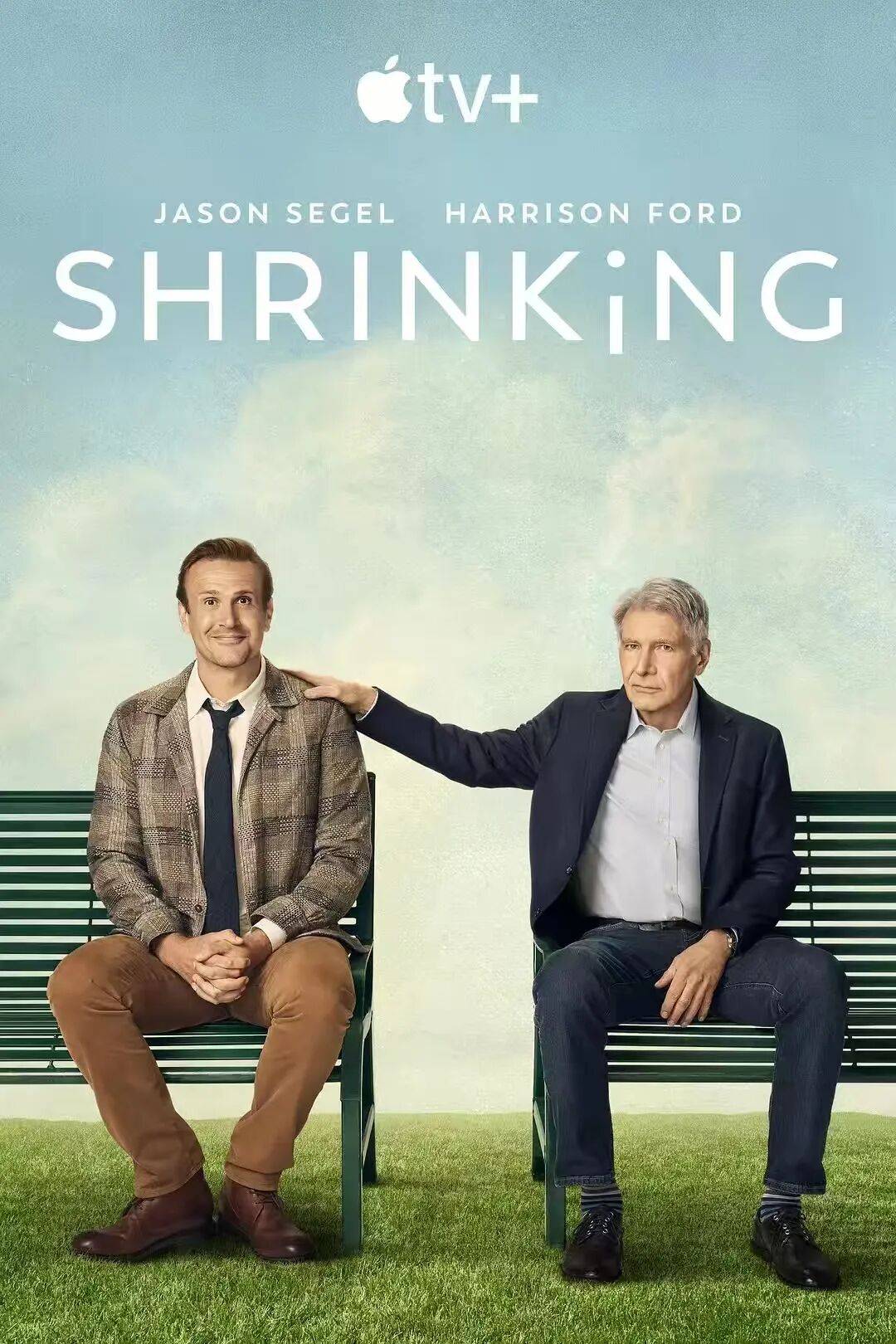
“The Honest Clinic” starring Harrison Ford
Remuneration further polarized
But this glamorous list conceals a cruel fact: it describes a small group of top stars who no longer need to prove their names, while the “middle-class” actors behind them are experiencing a silent squeeze. In the network era, an actor could make a decent living by bouncing between pilots and regular series even if he didn’t have a hit series. Nowadays, the overall output of original drama series has declined, and platforms are more inclined to focus their budgets on a few “named” projects. Those familiar faces between celebrities and amateurs have become the first group to be sacrificed. In other words, the more this salary survey is aimed at a single episode income of 2 million US dollars, the more it inadvertently outlines a broader shadow beyond that beam.
Another detail worth pondering is the subtle change in the pay gap between actors of different genders and races. Traditional bargaining benchmarks were shattered in 2018 after California banned the use of “actor’s quotes” — which anchor an actor’s next contract based on the salary of his last job — in salary negotiations. One agent told Variety that this “levels the playing field quite a bit” and that “pay now depends on the role itself.” This may explain why Aniston and Witherspoon are tied at the top with Pratt and Stallone on this list, instead of being like the old Hollywood era, where the income of actresses of the same level is often discounted by default. Of course, whether this improvement is universal or only benefits those stars who are already at the top of their bargaining power is another question that will take longer and more detailed data to answer.
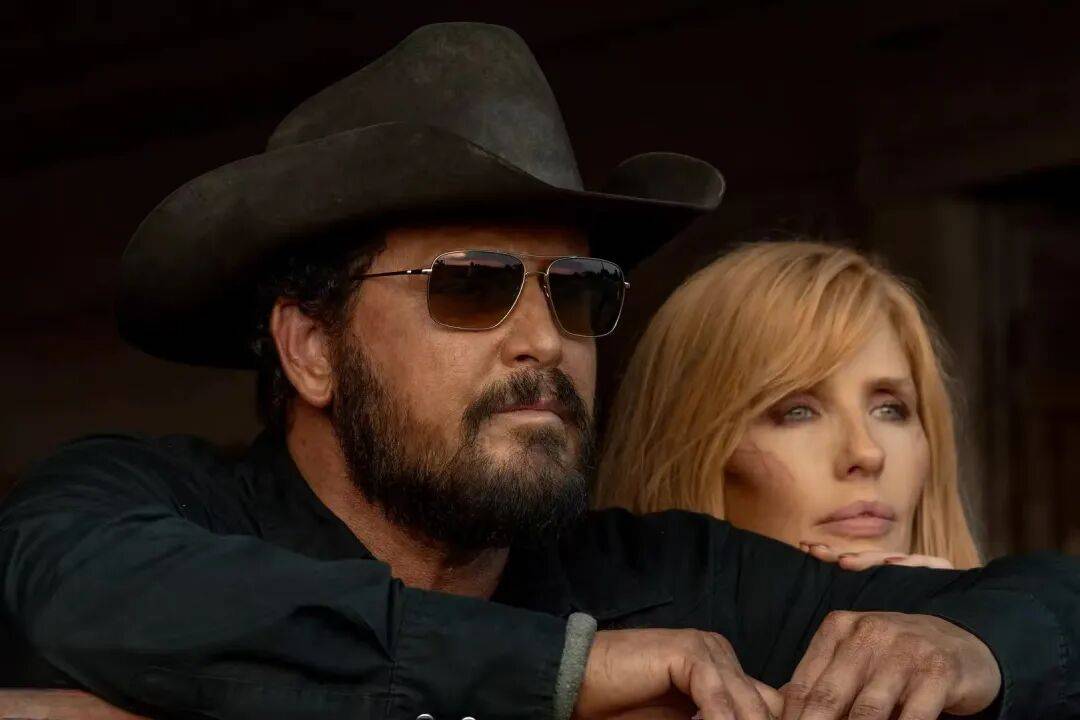
Cole Hauser and Kelly Reilly of “Dutton Ranch”
What this salary survey ultimately reveals is a highly polarized market. Those at the top receive far more remuneration than ever before, and their working conditions are more comfortable than at any time in history; those at the bottom face a living environment with fewer projects, more competition, and less stability. Caught in the middle are the less-recognizable but less-than-household faces that once formed the backbone of Hollywood, and they find themselves being repriced in the new evaluation system.
When Stallone plays an exiled gang leader in a small Oklahoma town, and when Harrison Ford performs the anxiety of aging on a couch in a psychology clinic, they take away more than a check for $2 million per episode. What they took away was the industry’s last collective confirmation of “star value”: In an era of excess content and scarce attention, things that make people stop, click on, and remember their names are still shockingly expensive.
In fact, a million-dollar TV episode seems to follow a different logic than movie remuneration. Take Tom Holland (nicknamed Holland by domestic fans) as an example. His basic salary for returning to “Spider-Man: New Day” is at least US$20 million, and the contract includes an unlimited back-end share of the box office. The film’s global box office eventually exceeded US$2.5 billion, and the industry estimates that Holland’s total revenue will be “at least” US$100 million. It is the back end that really widens the gap – Tom Cruise’s base salary when filming “Top Gun 2” was only about 13 million, but with the box office share, he finally earned more than 100 million U.S. dollars, and the global box office of the film was about 1.45 billion to 1.5 billion U.S. dollars. Of course, there is an element of gambling on how much back-end share the stars participating in the movie will ultimately receive. Once the box office fails, their income may not be as good as that of the starring actors in those TV series projects. TV drama stars get high but relatively fixed checks, while movie stars gamble on an income curve that is uncapped but also risky.
Reporter: Li Jing
(li-jing@chinanews.com.cn)
Related Reading
- 44-year-old Yao Di’s recent situation exposed! Married to a wealthy businessman and gave birth to a son, but now she wipes the floor with her bare feet, causing heated discussions2026-11-22
- Zheng Kai’s college entrance examination results sparked heated discussion! He once said that his classmates were all students from Tsinghua, Peking, and Fudan.2026-11-21
- She once received 5,000 boyfriend application forms and was called “the most sought-after girlfriend in the world”. Now, at the age of 29, she was handcuffed at an American airport.2026-11-20
- Mongolian female writer Siqin Gaowa passed away at the age of 932026-11-18
- Zhao Benshan’s “anti-counterfeiting” campaign hit him on the head and made the middle-aged man cry.2026-11-16