If you are a red fan, this cultural treasure is definitely not to be missed. In the Ancient Book Resource Service Center of Peking University Library, which has a collection of 1.6 million volumes (pieces), the “Gengchen Edition”, known as the “second oldest edition” of “A Dream of Red Mansions”, is quietly sleeping here, telling the story of a century of vicissitudes and the fragrance of ink.
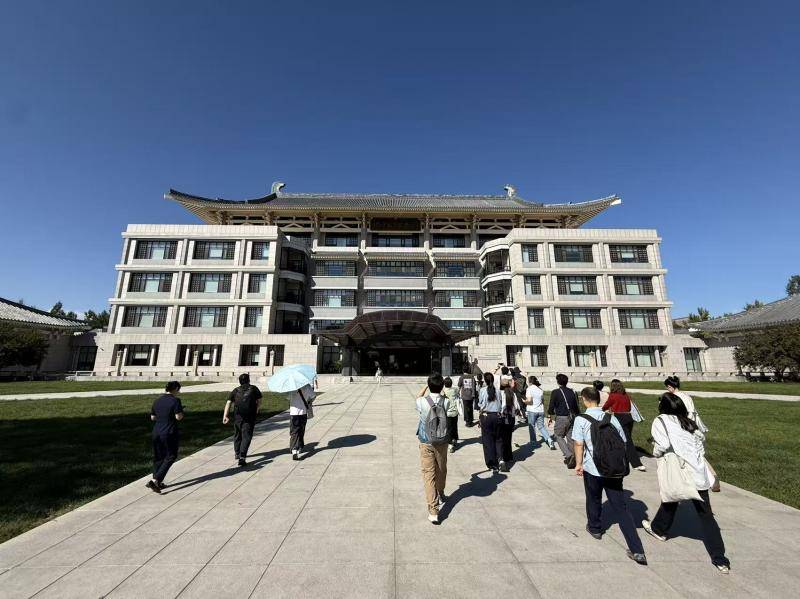
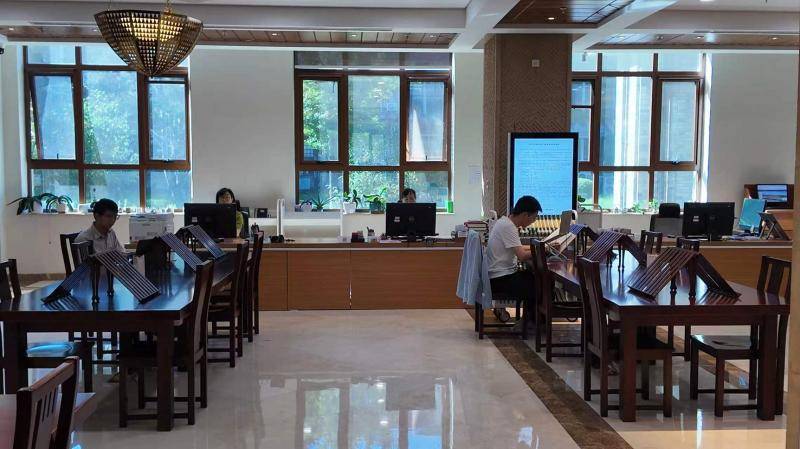
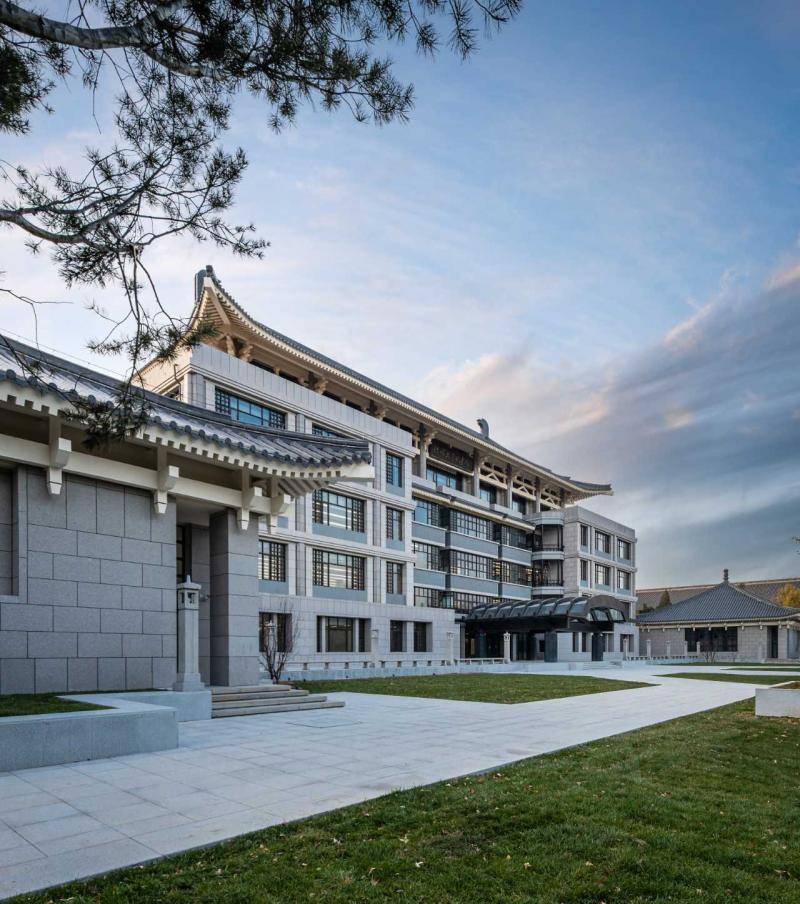
On September 14, a reporter from the Beijing Youth Daily came to the Ancient Books Resource Service Center of the Peking University Library. The collection of ancient books here is the largest among universities in the country. The total number of ancient documents in the collection reaches 1.6 million volumes (items), ranking first in the national university libraries and third in all types of libraries in the country. There are more than 20,000 kinds of rare books and more than 200,000 volumes.
The history of Peking University Library can be traced back to 1898. Zhong Di, director of the Ancient Books Center, told a reporter from Beiqing Daily that the library of Peking University’s predecessor, Capital University, was established in 1898. This was the prototype of Peking University’s library. At the beginning of the 20th century, some books from Fang Gonghui’s “Bilinlang Library” were donated to the collection, laying a solid foundation for early rare book collections. In the following more than a hundred years, the collection continued to expand: in 1937, it was purchased from Ma Lian’s “Unrefined Hall” collection, and in 1939, it was added to Li Shengduo’s “Muxi Xuan” collection. These two batches of precious documents form the core pillar of the current rare book collection.
In 1952, the departments were restructured and Peking University moved to Yanyuan. More than 400,000 volumes of precious books in the Yenching University Library were incorporated, which greatly expanded Peking University’s collection. In 2013, Peking University repurchased the entire collection and added it to the Okura Bunko. In recent years, books donated by academic leaders such as Ji Xianlin, Tang Yijie, Su Bai, and Deng Guangming have been added to the collection, making this cultural treasure house even more dazzling.
Among the vast collection, the aforementioned Gengchen version of “Dream of Red Mansions” is undoubtedly one of the shining “treasures of the museum”. Zhong Di said that in the early days, “A Dream of Red Mansions” was mainly circulated in the form of manuscripts, which is known to the public as the “Zhi Commentary Version”. The Gengchen edition collected by Peking University is the most complete and earlier version of the existing “Zhi Ping edition”. The 1982 edition of “Dream of Red Mansions” published by People’s Literature Publishing House as we all know it today, used this book as the core text for the first eighty chapters.
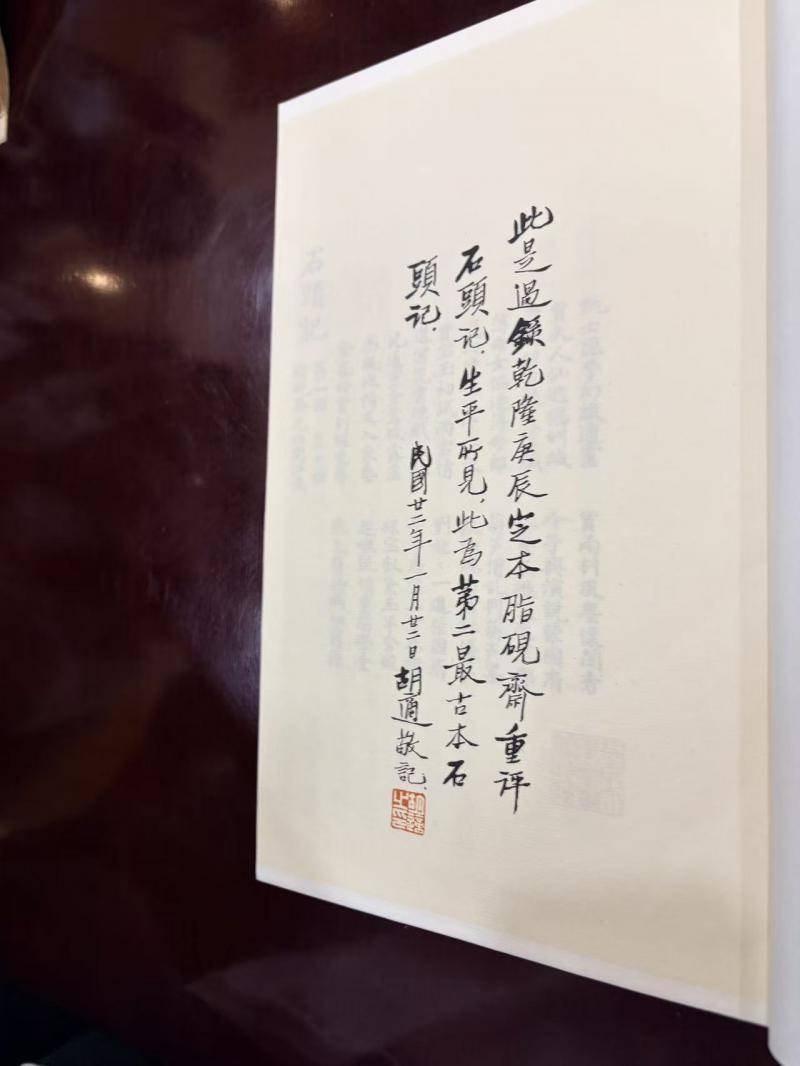
“This is a record of Qianlong Gengchen’s Dingben Zhiyanzhai’s re-evaluation of the Stone Records. From what I have seen in my life, this is the second oldest version of the Stone Records.” In 1933, Hu Shi, then a professor at Peking University, wrote this sentence on the title page of this book. Zhong Di explained that among the existing “Zhi Ping editions”, the earliest “Jiaxu edition” is 6 years earlier than the Gengchen edition, but it is severely damaged, with only 16 chapters remaining; while the “Jimao edition”, which is one year earlier than the Gengchen edition, only has more than 40 chapters in existence.
At the Peking University Ancient Books Center, such national treasure-level rare books are not alone. According to Zhong Di, the center also houses Dunhuang scroll No. 288, more than 300 kinds of Song and Yuan engraved editions, and more than 40,000 kinds of rubbing resources and more than 80,000 pieces. It is an out-and-out center for the study of ancient Chinese documents.
At Peking University, these precious ancient books carrying historical memories are not just shelved. They walked out of the boudoir and entered the classroom, allowing students to touch the traces of time with their own hands and appreciate the accumulation of classics. Xie Mengen, a doctoral student in the class of 2024 in the Department of Chinese, recalled that it was in a version study class that he came into close contact with the Song and Yuan engraved editions for the first time: “For those of us who were undergraduates at the time, this experience was too rare, and it instantly ignited my enthusiasm for the study of ancient books.”
This fertile cultural ground not only nourishes teachers and students on campus, but also opens its arms to the general public. In 2025, more than 4,000 readers inside and outside prestigious universities have entered the Ancient Books Center by appointment, flipped through the ink scrolls, and experienced the unique charm of China’s excellent traditional culture up close.
During the interview, Zhong Di also shared a warm little story with the reporter of Beiqing Daily. A few years ago, Mr. Yin Wanfang donated 1 volume of the movable wooden type genealogy of the Ganli Yin family to the Ancient Books Center, dated 1939, the Republic of China. Family trees have unique historical value and carry the memory of a family’s roots. In July this year, descendants of the Yin family in the United States crossed the ocean and contacted the Ancient Books Center of Peking University Library, hoping to bring their children back to their country to “find their roots.” “This book was donated by their family. After confirming that the book’s condition met the conditions for inspection, we quickly went through the procedures for it,” said Zhong Di. Soon after, a family of five walked into the Peking University Library as they wished. Two children who grew up overseas saw the family’s bloodline record with their own eyes for the first time, and found their way back to the ancient pages.
Text/Beijing Youth Daily reporter Zhang Yuemeng
Photography/Beijing Youth Daily reporter Li Na