Let’s look at a set of data first. The market value of Arowana was close to 780 billion yuan when it was at its highest, but now it is less than 160 billion yuan.
In five years, more than 600 billion in market value has been lost, and the stock price has dropped by more than 80% from its high point, hitting a low of 23.62 yuan per share. What concept?
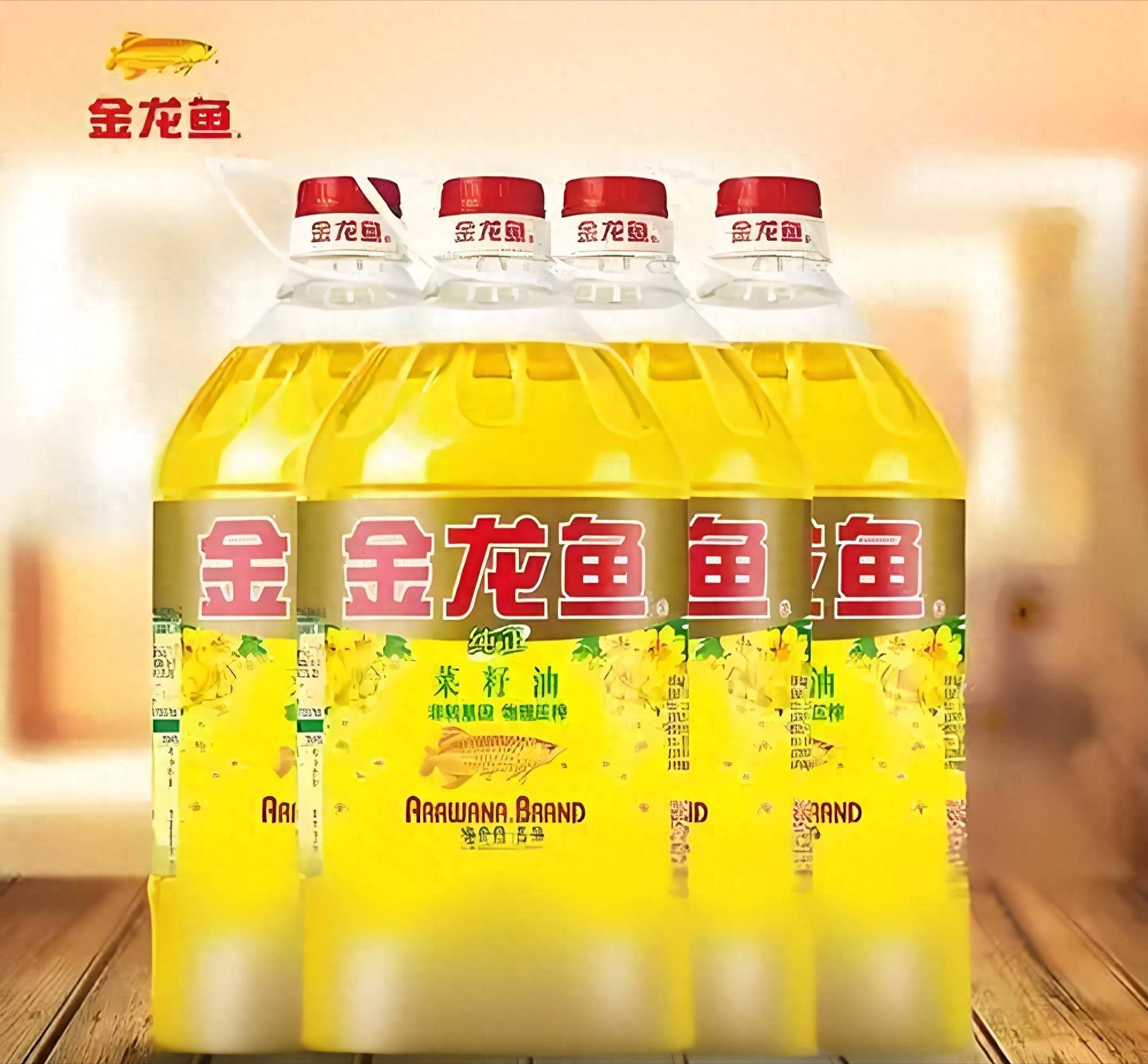
Equivalent to the entire market value of a mid-sized listed company, which was directly wiped out by the market.
And what about its revenue scale? The full-year revenue in 2025 will be 245.1 billion yuan, and in the first quarter of 2026, it will be 65.5 billion yuan, and it is still rising.
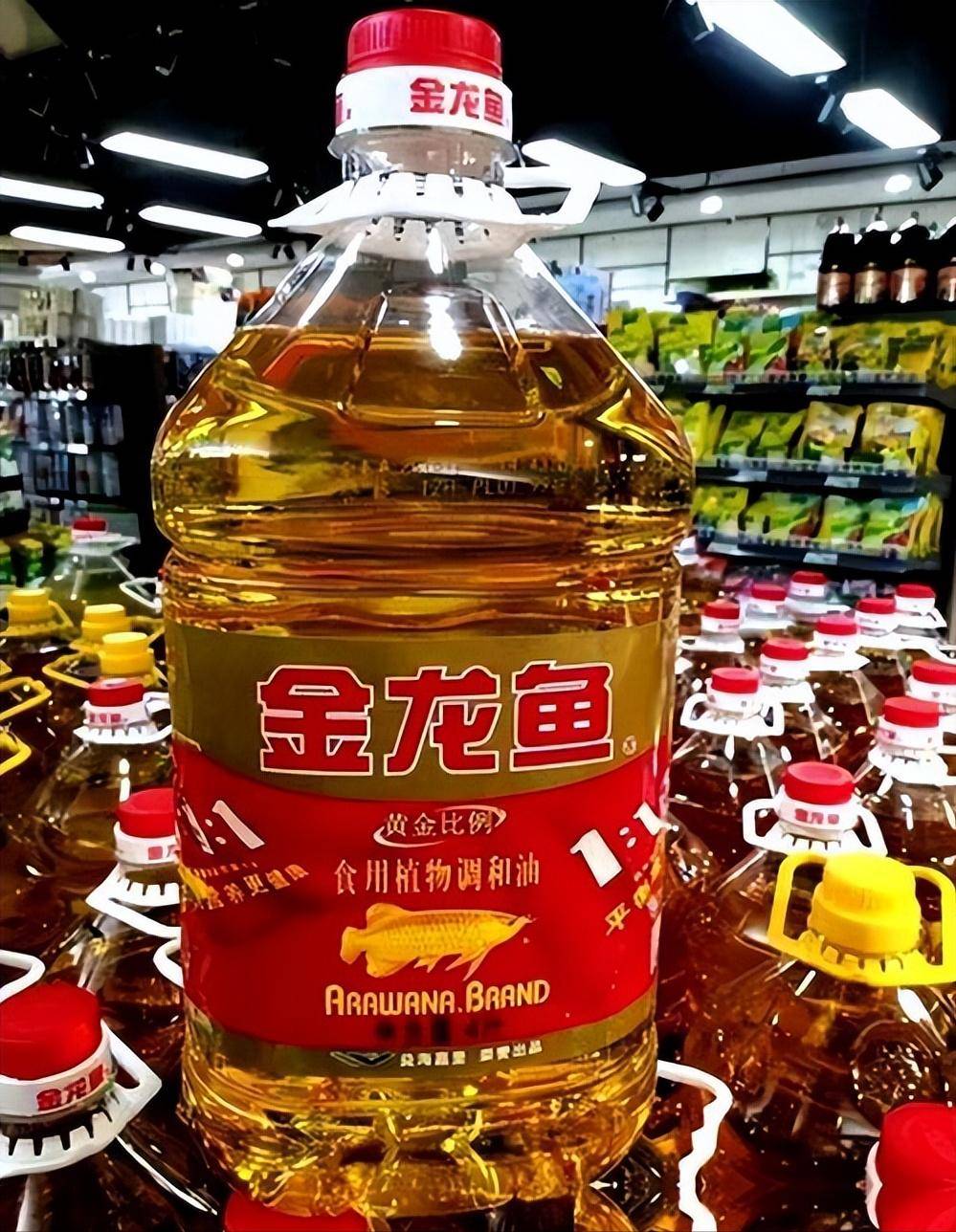
Revenue rises and market capitalization falls, which is abnormal in itself. What’s even more interesting is that many consumers still think Arowana is a domestic brand.
This raises a question: What happened to a company that has been rooted in the Chinese market for more than 30 years and is regarded as the “national oil” by hundreds of millions of families?
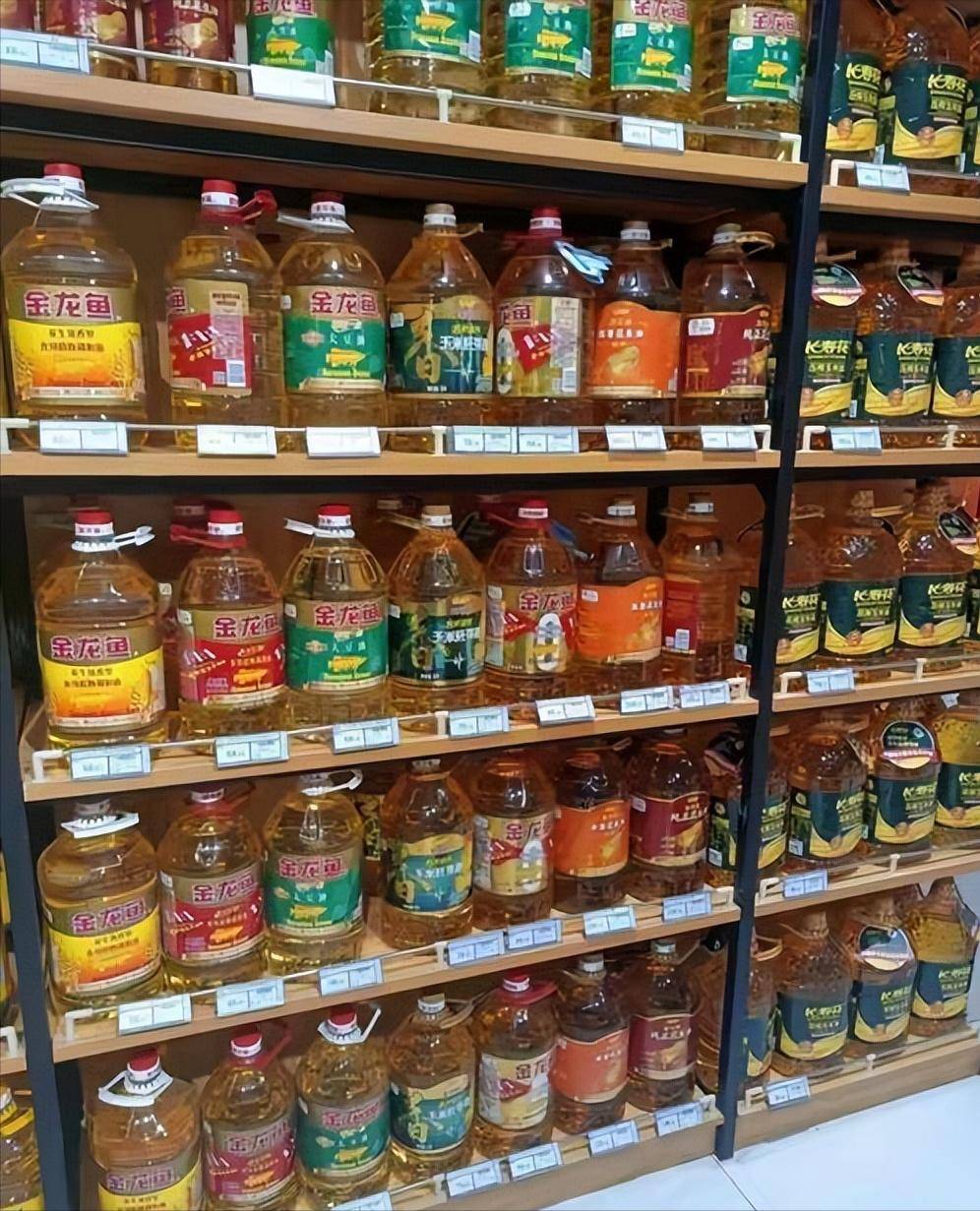
Arowana was first founded by Kuok Kongfeng, nephew of Malaysian overseas Chinese Kuok Henian, and built a factory in Shekou, Shenzhen in the 1980s.
Its parent company Yihai Kerry, Singapore’s Wilmar International holds 99.99% of the shares, and Wilmar International’s shareholder structure also includes American grain merchant ADM. To put it bluntly, this is a completely foreign-funded enterprise.
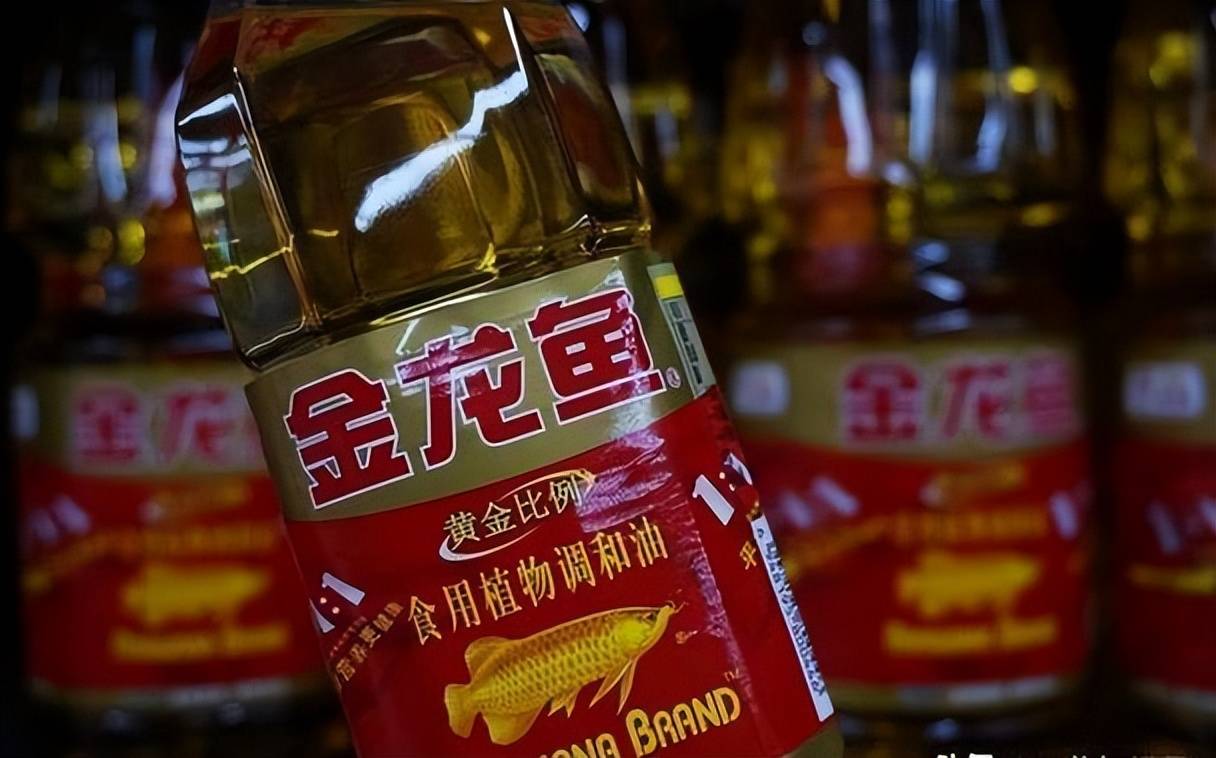
But in the past few decades, the word “foreign capital” has hardly been felt in Arowana’s brand building. Its packaging, its advertising, and its channel layout all smell like “the Chinese people’s own oil.”So much so that some market research reports directly classified it as a private enterprise.
My personal feeling is that there is nothing wrong with this kind of brand positioning itself. It is the skill of multinational companies to do well in localization.
But the problem is that when consumers support you based on the emotional identification of “domestic products”, once they find that this is not the case, the feeling of being let down is more fatal than the problems with the product itself.
In 2024, some remarks by the Prime Minister of Singapore were fermented on the Internet, and many consumers realized for the first time that the original “domestic product” design of Arowana may be just a filter.
If the foreign investment status only makes consumers feel a little bit nervous, then the next incident will directly tear open the trust gap.
November 2025, Arowana announced that its subsidiary Guangzhou Yihai received the first-instance criminal verdict and was found to be an accessory to the crime of contract fraud. It was sentenced to a fine of 1 million yuan and was required to jointly refund 1.881 billion yuan of economic losses with another company.
What is the concept of 1.881 billion? Arowana’s net profit attributable to its parent company for 2024 will only be about 2.5 billion. This refund is equivalent to half a year of work in vain.
Arowana’s attitude is very firm: Denied, appealed. The company emphasized on multiple occasions that “we were deceived.” This matter has not been finalized yet, and the results of the second trial have not been released.
As far as this matter is concerned, my judgment is that no matter what the final verdict is, Just the label “a subsidiary of a listed company was found guilty of contract fraud” is enough to make investors and consumers nervous.
Brand trust takes decades to build, but if it collapses, it might just be a judgment. Let’s take a look at Arowana’s operating conditions.
In 2025, the annual revenue will be 245.1 billion yuan, and the net profit attributable to the parent company will be 3.153 billion yuan, a year-on-year increase of 26%. In the first quarter of 2026, revenue was 65.5 billion yuan and net profit was 1.482 billion yuan, a year-on-year increase of nearly 51%. Just looking at the numbers, it looks pretty good.
But look closely and you’ll find a problem. A large part of the profit growth in 2025 will come from adjustments to the provision for litigation losses. Although non-net profit deducted increased significantly by 193% year-on-year, that was because the base number in the previous year was too low. From my point of view, the “water content” of these numbers is not low.
What’s more critical is gross profit margin. In the first quarter of 2026, the gross profit margin dropped to 6.77%, a decrease of 0.63 percentage points from the same period last year.
The grain and oil industry is inherently a thin-profit industry, with a gross profit margin of less than 7 points. This means that for every 100 yuan of oil sold, after deducting costs, there is only a gross profit of less than 7 yuan. After deducting channel fees, management fees, and financial expenses, there is very little that can actually be pocketed.
Based on my observations, I tend to believe that Arowana’s biggest dilemma is not whether revenue can rise, but that this “small profits but quick turnover” model has reached its ceiling. Rice, flour, grains and oils are basic needs for people’s livelihood. The state controls prices, and companies have no room to raise prices. No matter how much you sell, the profit will be just that.
When Arowana was launched in 2020, it was hailed as “Youmao” by the market and benchmarked against Moutai. At that time, the stock price soared, and the market value reached 780 billion. What do investors look for?It is the certainty that consumers urgently need and the moat for industry leaders.
But five years later, this logic was shattered by reality. In the edible oil market, Arowana’s share dropped slightly from 39.3% in 2019 to 37.7% in 2024. Local brands such as Luhua and Fulinmen have been catching up. In the survey of consumers’ preferred brands, although Arowana still ranked first with 48%, the gap between Luhua at 44% and Fulinmen at 35% was already very small.
According to my thinking, the high valuation investors originally gave Arowana was based on the expectation of “rigid consumption demand + industry monopoly”. But the reality is that the edible oil market is a fully competitive market, and no one is irreplaceable.
The price advantage of Arowana is being gradually eroded by local brands. Coupled with the public opinion about the “tank truck transportation chaos” in 2024, although the final investigation results of the Food Safety Office of the State Council did not involve Arowana’s affiliated companies, the impact on the brand was real. According to statistics, between 2024 and 2025, there will be 140,000 pieces of various false information about Arowana.
How much of this is rumors and how much is real feedback, ordinary consumers cannot tell and have no interest in distinguishing. Arowana has been promoting the “second growth curve” in recent years, developing condiments, health foods, and central kitchens. The direction is correct, but what is the effect?
Judging from the data in the first half of 2026, these new businesses are far from being able to carry the weight. Moreover, the competitors in the new track are stronger than the last, including Haitian and Lee Kum Kee for condiments, and various new consumer brands for health food.
Arowana’s advantages lie in channels and supply chains, but to be honest, it will take time to verify how effective these advantages will be on the new track.
From my point of view, Arowana is currently facing a situation of “blocking at both ends”: The profit margin of the old business is too thin and the room for growth is limited; the investment in the new business is large, the cycle is long, and the competition is fierce. The patience of the capital market is limited, and the stock price has already voted with its feet.
The story of Arowana is essentially a story about “expectation difference”. The market once regarded it as a consumer monopoly with pricing power, but it is actually a grain and oil processing company with extremely thin profit margins, fierce competition, and limited growth space.
The evaporation of 600 billion in market value did not happen in one day, nor was it just because of one negative event. It is the result of the superposition of factors such as disputes over the identity of foreign investors, declining brand trust, weak performance growth, and new business that falls short of expectations.
Can the Arowana turn over? From an operational perspective, its revenue scale, channel coverage, and supply chain capabilities are still among the best in the industry, and no one can replace its position in the short term.
But from the perspective of the capital market, what investors need is a good business that can make money, not a big business that can only make hard money.
From my perspective, the real problem that Arowana needs to solve may not be how to tell the story of the “second curve” well, but how to make consumers believe again: The bottle of oil you bring to the table is trustworthy.
Related Reading
- Musk breaks up with Neuralink female executive! 4 Baby’s mother’s private message: It’s not test tube, it’s true love2026-10-03
- The US$60 billion syndicate is not just about “buying chips”2026-10-03
- Original After two and a half years, Douyin’s 750 million acquisition was gone2026-10-03
- Even high earners are living paycheck to paycheck this year, survey shows2026-10-03
- Huawei and Thalys: “Breaked up” and “reunited” 15 days later, how to calculate this debt?2026-10-03