As the Federal Reserve raises interest rates, gold bucks the trend and rebounds. This seems to be a market reaction that is not consistent with common sense. What happened?
In the early morning of September 17, Beijing time, the Federal Reserve raised the target range of the federal funds rate by 25 basis points to 3.75% to 4.00%. This is the first time the Federal Reserve has raised interest rates since July 2023, and its attitude is tough. The resolution was unanimously passed at 12:0. The dot plot also shows that most officials believe further interest rate hikes are still possible this year.
After the interest rate hike was implemented,Spot gold suffered a setback and fell, but quickly rebounded. On September 17, spot gold once rose by more than $100 during the day.
According to the logic most familiar to the market in the past, raising interest rates is often negative for gold.
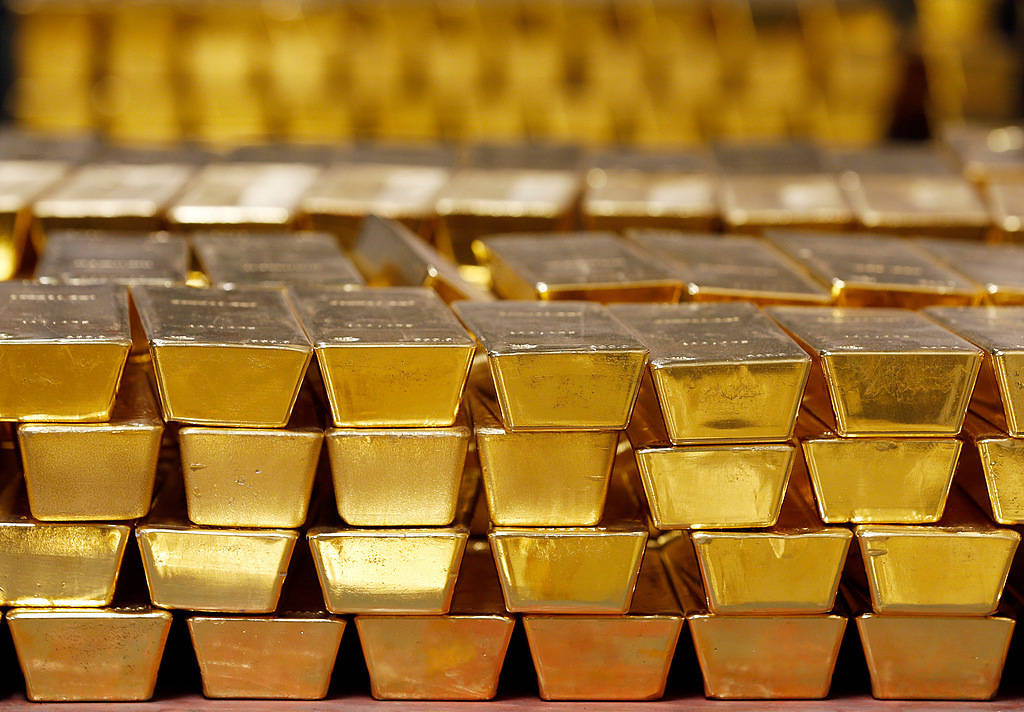
You must know that gold itself does not bear interest. The higher the interest rate, the higher the income from holding U.S. bonds, deposits and other interest-earning assets, and the higher the opportunity cost of holding gold, so the price of gold is under pressure. At the same time, gold is priced in U.S. dollars, and a stronger U.S. dollar driven by rising interest rates will make gold more expensive for buyers holding other currencies, further suppressing demand. This time, the gold price has gone out of divergence. Has this logic failed?
事實上,It’s not that interest rate hikes have failed, but the impact has already occurred.
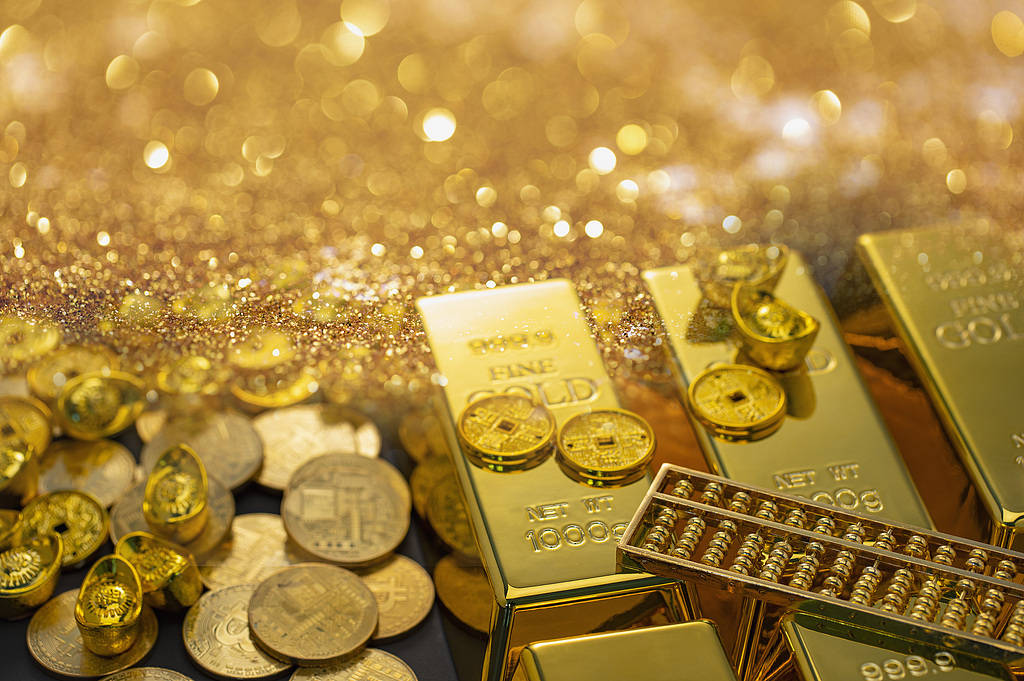
Before the Federal Reserve’s interest rate meeting, the market had full expectations for a 25 basis point interest rate hike. Gold has been under continuous pressure;On the day the Federal Reserve announced a rate hike, spot gold fell to a nearly six-week low. In other words, the downside of raising interest rates is not that it has not happened, but that a considerable part of it has already been traded in advance.As the interest rate hike officially came into effect, funds that had previously bet on the decline took profits, and bull funds entered the market, directly driving the gold price to rebound.
At the same time, the market began to trade another logic: falling oil prices. The important background for this round of Fed rate hikes is that rising energy prices have once again pushed up inflationary pressures. However, on the 17th, international oil prices fell for two consecutive days and hit a one-week low. Once energy prices fall, the market’s concerns about future inflation will continue to worsen, and the pressure on gold will be reduced, which will also help gold to rise.

Taking a longer view, gold pricing is also affected by many medium and long-term factors. At present, the U.S. fiscal deficit and debt burden have caused market concerns, increasing the willingness of some investors to diversify the risks of U.S. dollar assets. Some central banks are also increasing their gold holdings to diversify their reserve assets and reduce their reliance on a single currency. This type of allocation demand focuses on the long term and will not be easily changed just because of a single interest rate hike. It also provides medium and long-term support for gold.
Gold market pricing logic is becoming more complex.For investors, they cannot conclude that gold will fall when they hear interest rates are raised, nor are they eager to chase the rise when they see a rebound.